
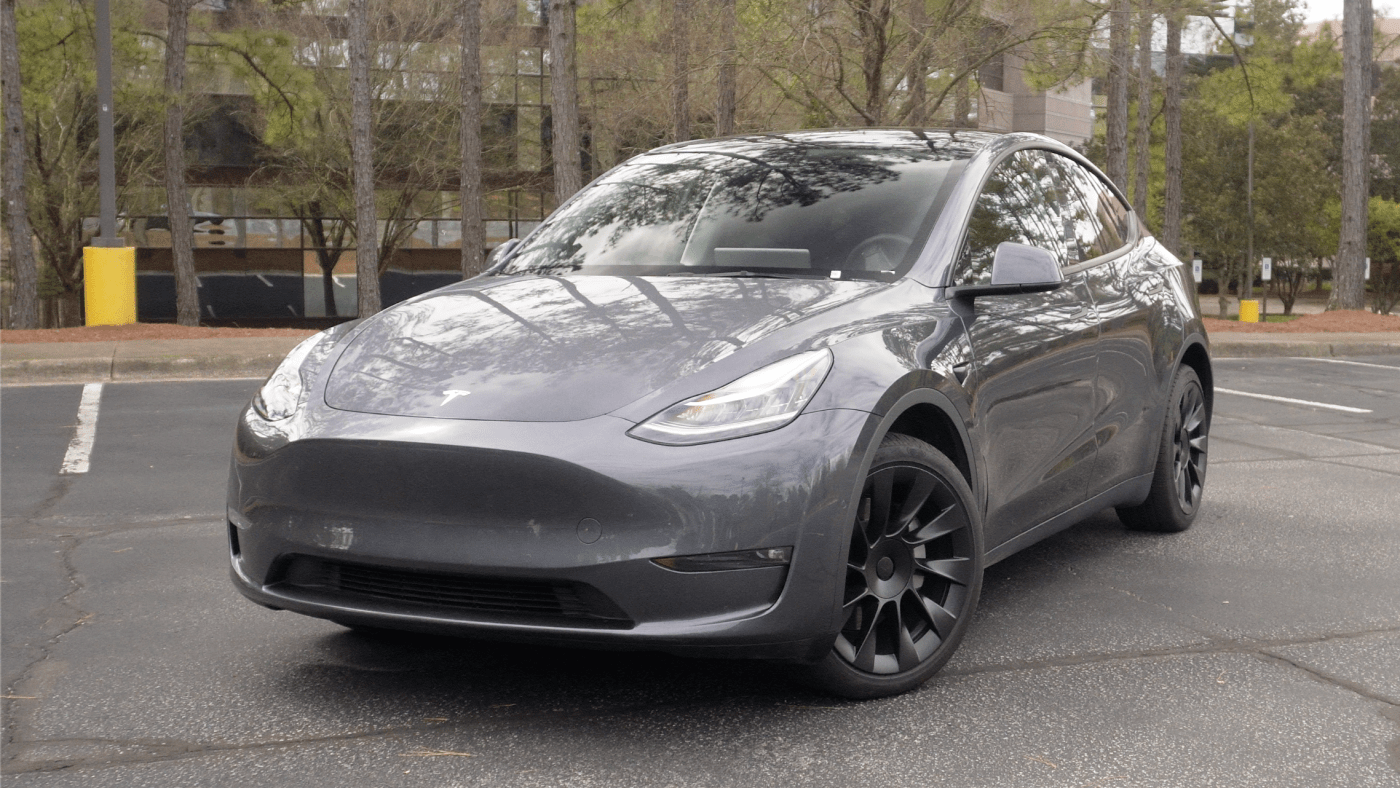
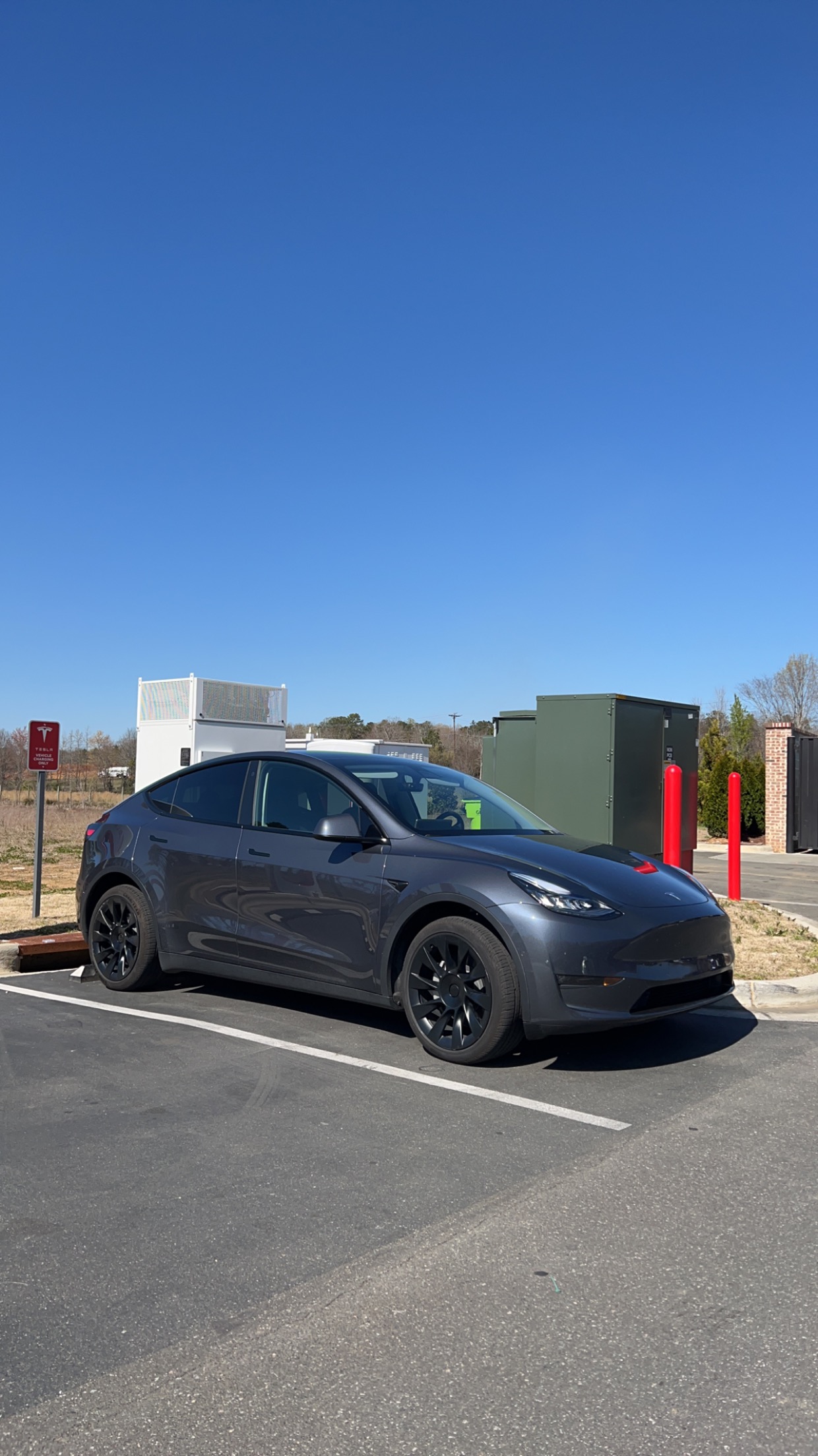
In 2022, Hertz struck a $4.2 billion deal with Tesla to order 100,000 vehicles for its rental fleet across the United States. Since then, Hertz has added other electric cars to its lineup across the country, but the Tesla Model 3 and Model Y are by far the most readily available. After my Audi S4 was involved in a minor collision, I ended up renting both a Y and then a 3 for a combined total of around 2,000 miles.
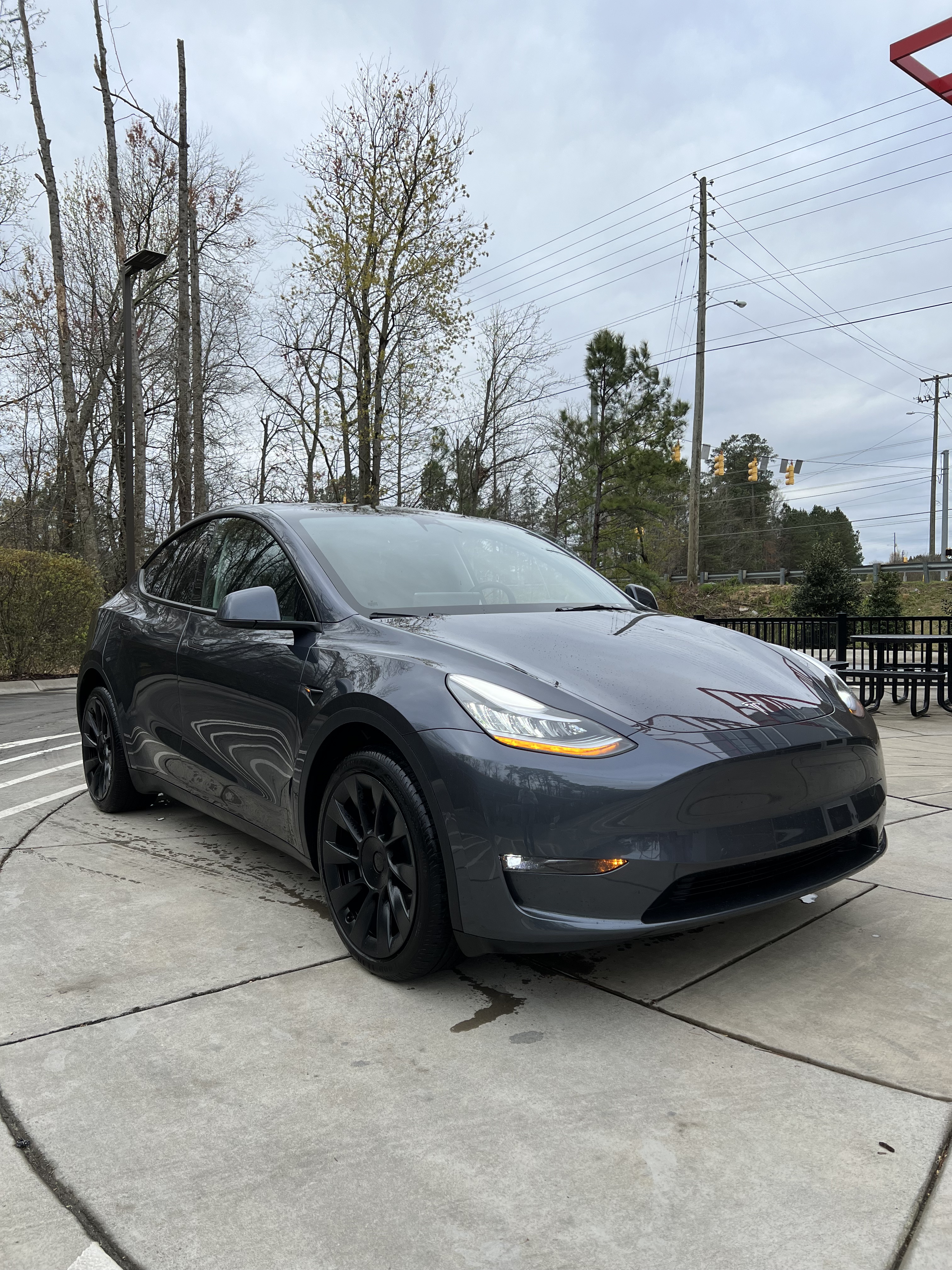
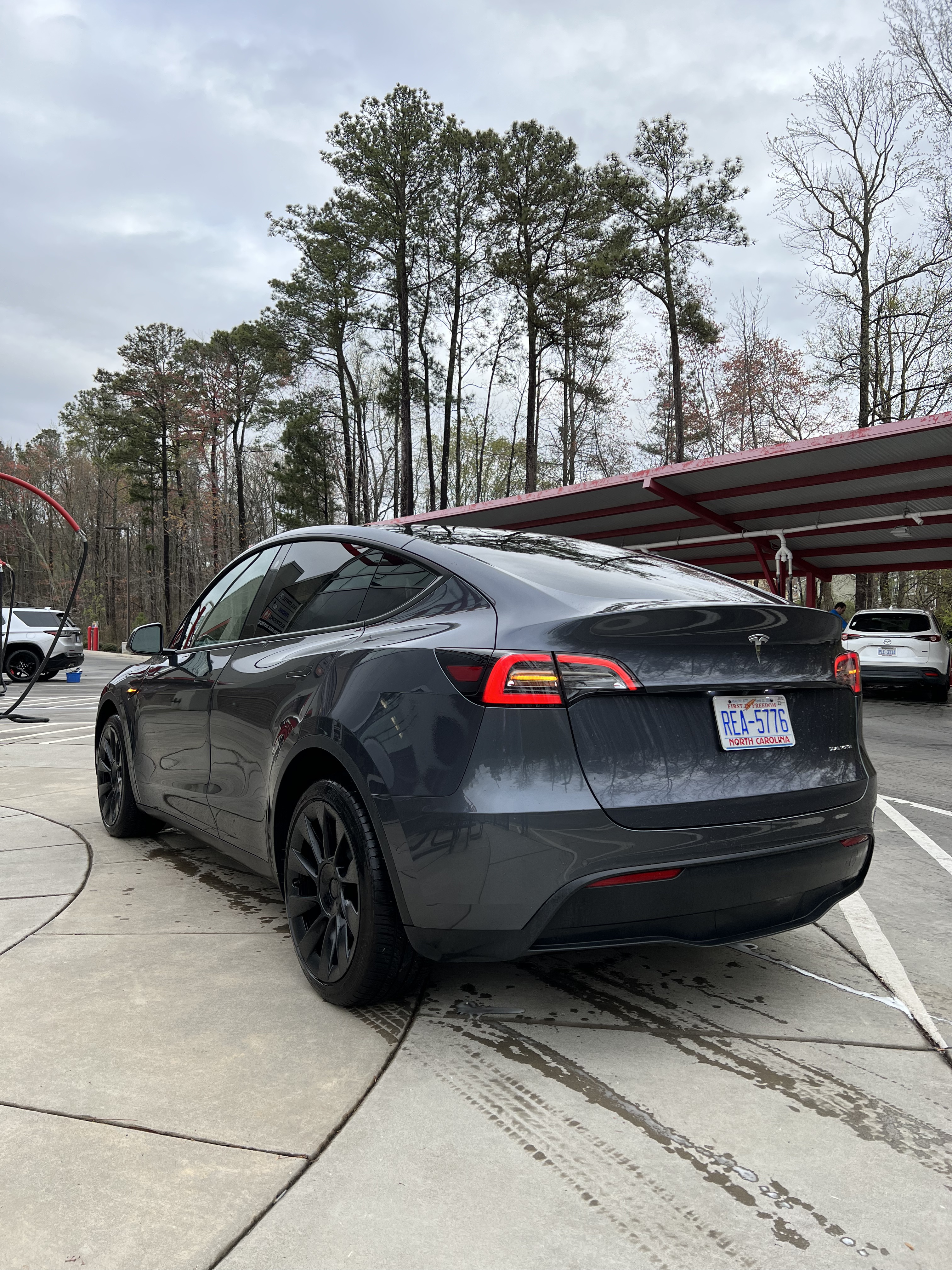
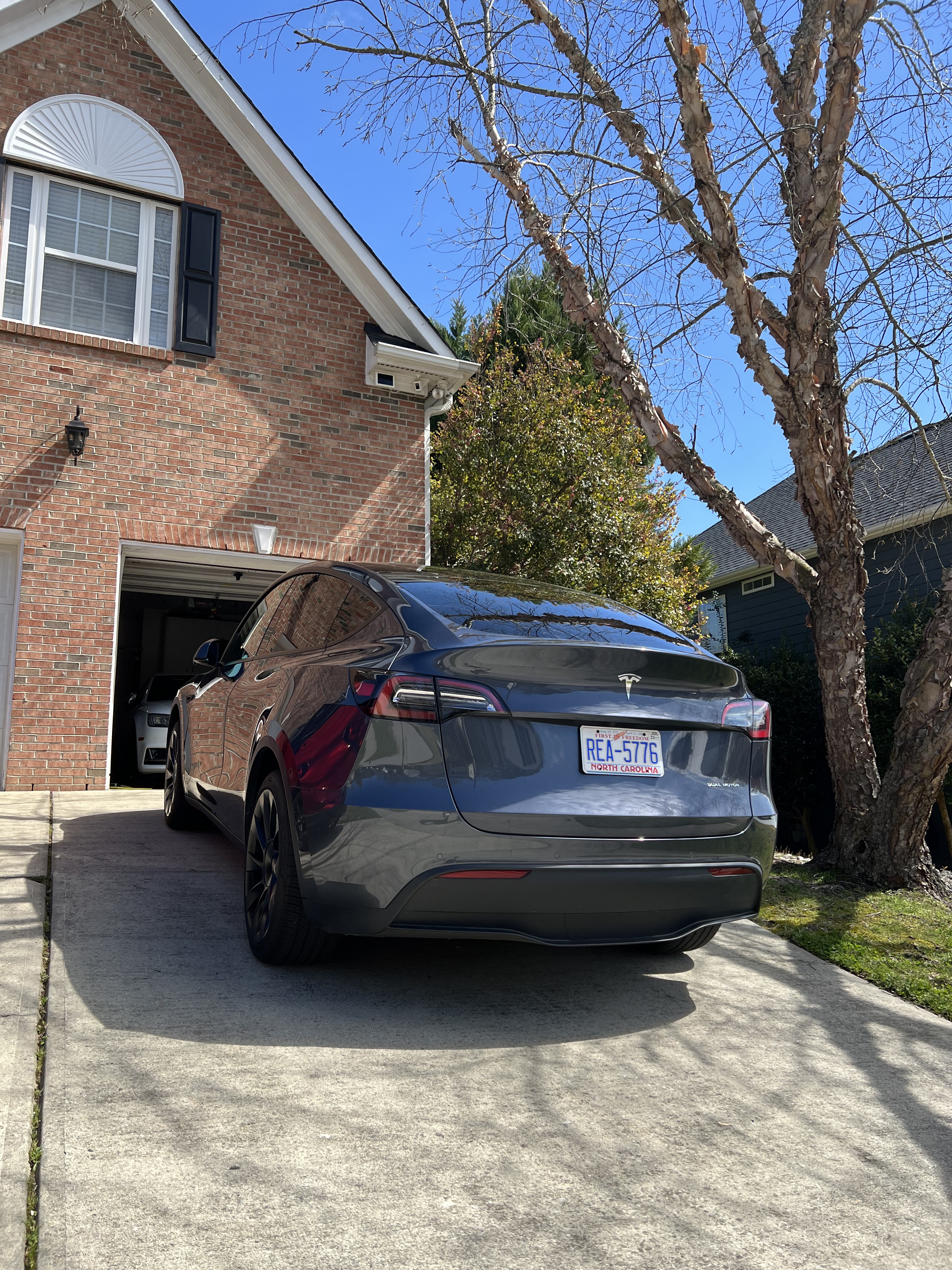
Ironically, both units I was given were Midnight Silver Metallic with black interiors. The Model Y was a 2022 Dual-Motor Long Range while the Model 3 was a 2021 rear-wheel-drive Standard Plus (pre-LFP). Both were in typical rental car condition, but the Model Y was fairing far better being newer with half the mileage. I was actually impressed with the build quality of the Model Y — there were no rattles or no wonky body panels, really nothing out of the ordinary. The same could not be said about the 3 unfortunately; the trunklid was horribly misaligned, the interior trim on the B-pillars was falling off, and the whole car just felt incredibly cheap.
Both cars share a number of components, but the larger Model Y is mostly unique on the outside. Although styled similarly, the main body panels are different, while small touches like the lights, door handles, and mirrors are shared. The Model Y is overall larger in every dimension – two inches longer, three inches wider, and seven inches taller – although weirdly ground clearance is only an inch higher. At the moment, the Y is not available with Tesla’s air suspension, although I’m told the platform was designed to accommodate it.
The rear seat and cargo area are the main benefactors of the extra size. At 41.6 inches, rear legroom is more generous than of course the Model 3, but also the Ford Mustang Mach-E and Volkswagen ID.4. With the rear seats folded down, you get 76.2 cubic feet of cargo space, or about 30 cubic feet with the seats upright. The front trunk adds an extra four cubic feet, which is a perfect amount of space to store your charging cable or other accessories. It’s not incredibly convenient for frequent usage, however, as the only way to release the hood is from the infotainment system or the Tesla mobile phone app.
Speaking of accessing the vehicle, as an owner, Tesla recommends using your phone as a key. The vehicle will automatically lock and unlock when you approach, and will automatically turn on with a weight sensor in the driver’s seat. As a rental car, though, you’re limited to the key card it comes with. Unlocking and locking happens by tapping the RFID card on the B-pillar, and tapping on the center console to drive. For $175, you also have the option of purchasing a traditional key fob from the Tesla website, which I would strongly prefer for the sake of reliability.
In the past, I have compared Tesla interiors to hospital waiting rooms and other things of that nature. While the Hyundai Ioniq 5 and Mustang Mach-E have far more upscale cabins, I was again impressed with how well the Model Y appeared to be put together, given Tesla’s reputation. It’s not a bad interior space, but the problem lies in the fact that there’s really just nothing special about it for the price.
To be fair, there is a lot to like. The seats, while quite narrow and short, proved to be superbly comfortable on my long road trips. They’ve gotten rid of the piano black trim and added a nicer center console and wireless phone charger. The touchscreen is snappy and well laid out, unlike the Mach-E. Speed and driving information being offset rather than directly in front of you takes some getting used to, but it’s not as revolutionary as some claim. Let’s not forget about the original Prius and older Honda models that were doing that 20 years ago.

It’s no secret that Tesla is the Apple of the car world, and the Model Y is the iPhone or MacBook of electric SUVs. The driving experience, much like the interior, is just… fine. It’s decently quick, it rides well, and the center of gravity is nice and low, but it’s kind of unremarkable otherwise. The whole car does everything really well, but there’s nothing standout about it. It ends up being the default choice for an overwhelming percentage of people, and there’s nothing wrong with that.
The Tesla charging experience is consistently super smooth – my 2,000 miles between the Model Y and Model 3 where done almost exclusively on Superchargers, with good results almost every single time. Inoperable or malfunctioning chargers were far less common than Electrify America (although my experience with the Mach-E on EA was not as horrible as some), and billing is automatic, even as a Hertz rental. Aside from the extreme range offerings like the Lucid Air, Tesla is still the way to go for an EV road trip.
As of writing, every Model Y variant and certain Model 3s qualify for the current electric vehicle tax credit program in the US. Depending on where you live and other factors, that’s anywhere from $7,500 to $12,000 as a deduction on your taxable income. With the latest regulations, Hyundai and Kia EVs no longer receive any tax break, and the VW ID.4 only qualifies depending on where your car was built. It’s boring and complicated to understand, but it’s a huge factor for a lot of buyers.
Say what you want about Elon or Tesla as a company, but I don’t hate the Model Y. There’s plenty of faults, but the same can be said about any car. Overall, it does just about everything really well. Just like the iPhone, it’s going to continue to be a massive success – and that’s perfectly fine.
Now, if only they’d ditch the stupid magnetic sun visors.
| Vehicle Tested | 2022 Tesla Model Y Long Range |
| Color | Midnight Silver Metallic / Black |
| Drivetrain | Dual electric motors / All wheel drive |
| HP / Torque | 384 horsepower / 378 lb-ft |
| Curb Weight | 4,555 lbs (est.) |
| 0-60 mph | 4.8 seconds (est.) |
| Range | 315 miles (EPA) |
| MSRP | $53,490 (est.) |
 Also Andrew