
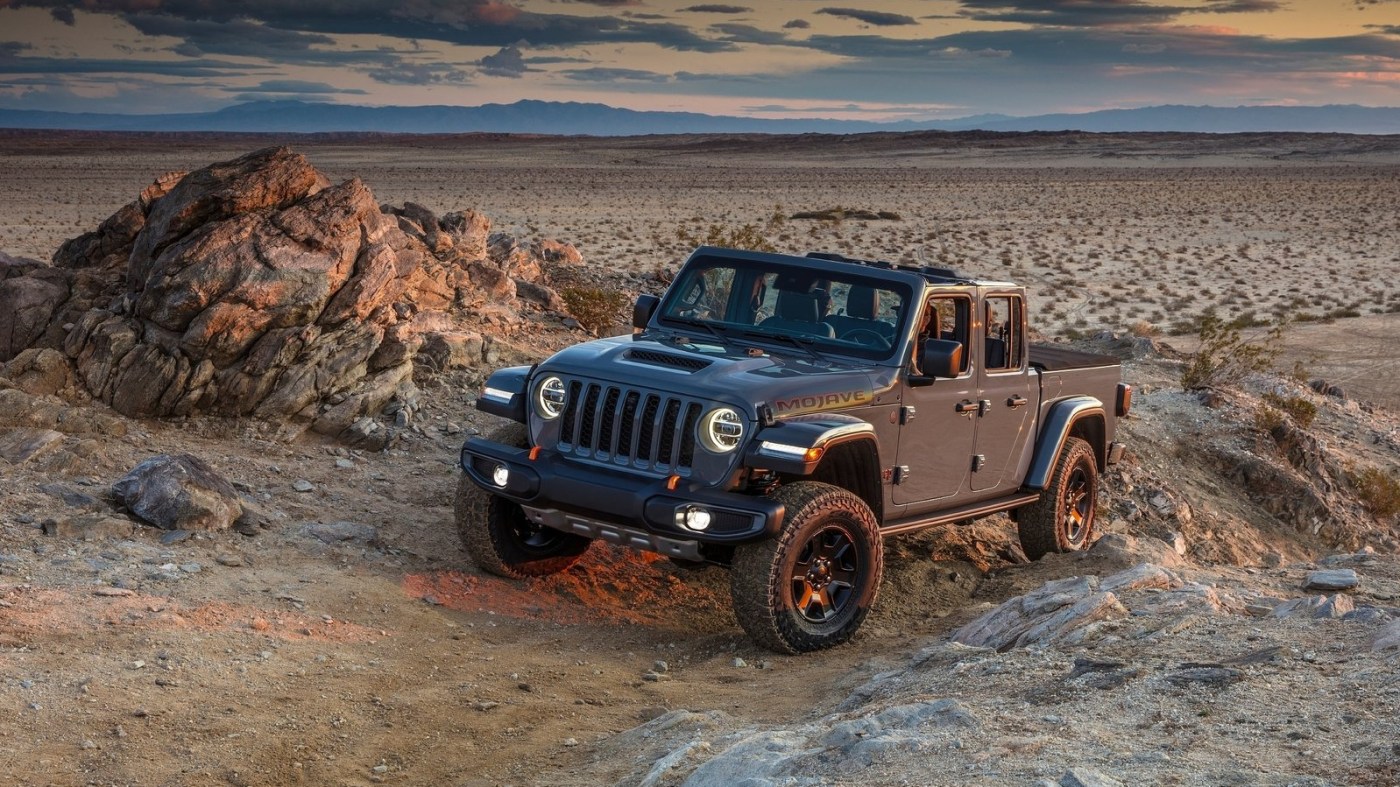
Jeep Gladiators Offering up to $20,000 Discounts Amid Slow Sales
When it launched, the Jeep Gladiator experienced massive sales success; Jeep buyers finally had the truck they wanted from the factory, and dealers couldn’t keep them on the lot. A few years in, though, and things have shifted quite significantly.
In the second quarter of 2023, Jeep only managed to move 13,751 Gladiators, a 34 percent decrease compared to last year. While the Gladiator is certainly one of the coolest midsize pickups (and the only pickup with a removable roof!), most buyers ultimately realize that it doesn’t perform very well as an actual truck. It’s lacking in bed size, towing capacity, and comfort compared to rivals like the new Toyota Tacoma or GM trucks. Even the outdated, front-wheel-drive based Honda Ridgeline outsold the Jeep in Q2.
The Gladiator, as with the Wrangler on which it’s based, is also quite expensive for what you get — but temporarily, not anymore. Jeep is taking 10 percent off MSRP through October 2 in the form of rebates, but many dealers are leveraging that manufacturer support to offer even bigger discounts.
Pricing varies a bit across the country, but on average you can expect between $10,000 and $15,000 below list price. For instance, in my home state of North Carolina, some dealers are offering $12,000-13,000 off (combined rebate and dealer discount); on the other side of the country, Californians can find deals ranging from $16,483 to $20,159 at one store in West Covina.
A base Gladiator Sport normally starts at $38,775, but most dealer-stock units end up being around $40,000-43,000 with destination and options, while Rubicon and Mojave models are in the mid-50s. A quick AutoTrader search shows just under 18,000 new 2023 Gladiators for sale across the country, and the cheapest one is currently under $31,000. At that price point, it becomes a way more compelling option for those looking for a midsize pickup truck.
2024 Honda Prologue Brings EVs Back in a Big Way
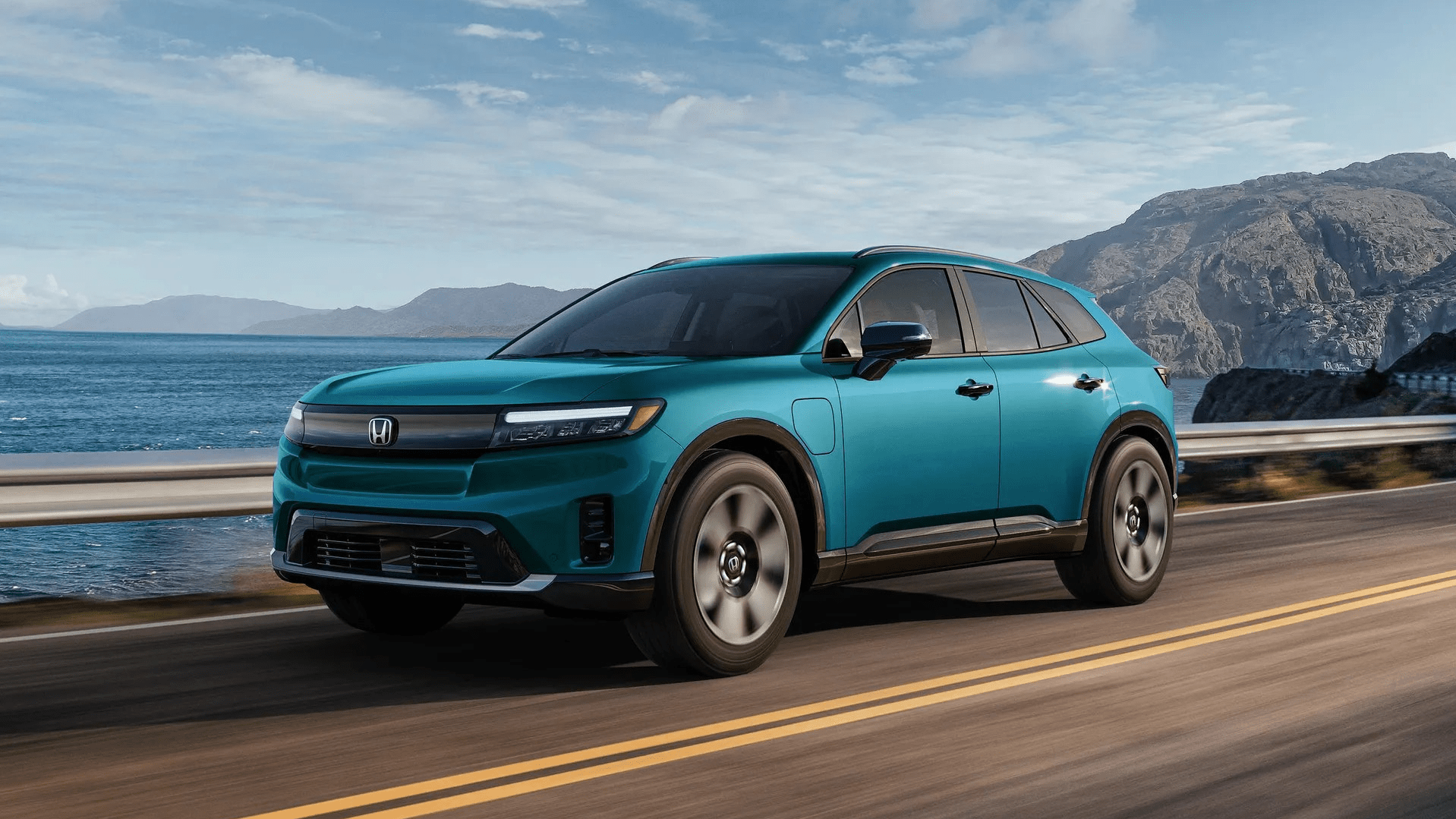
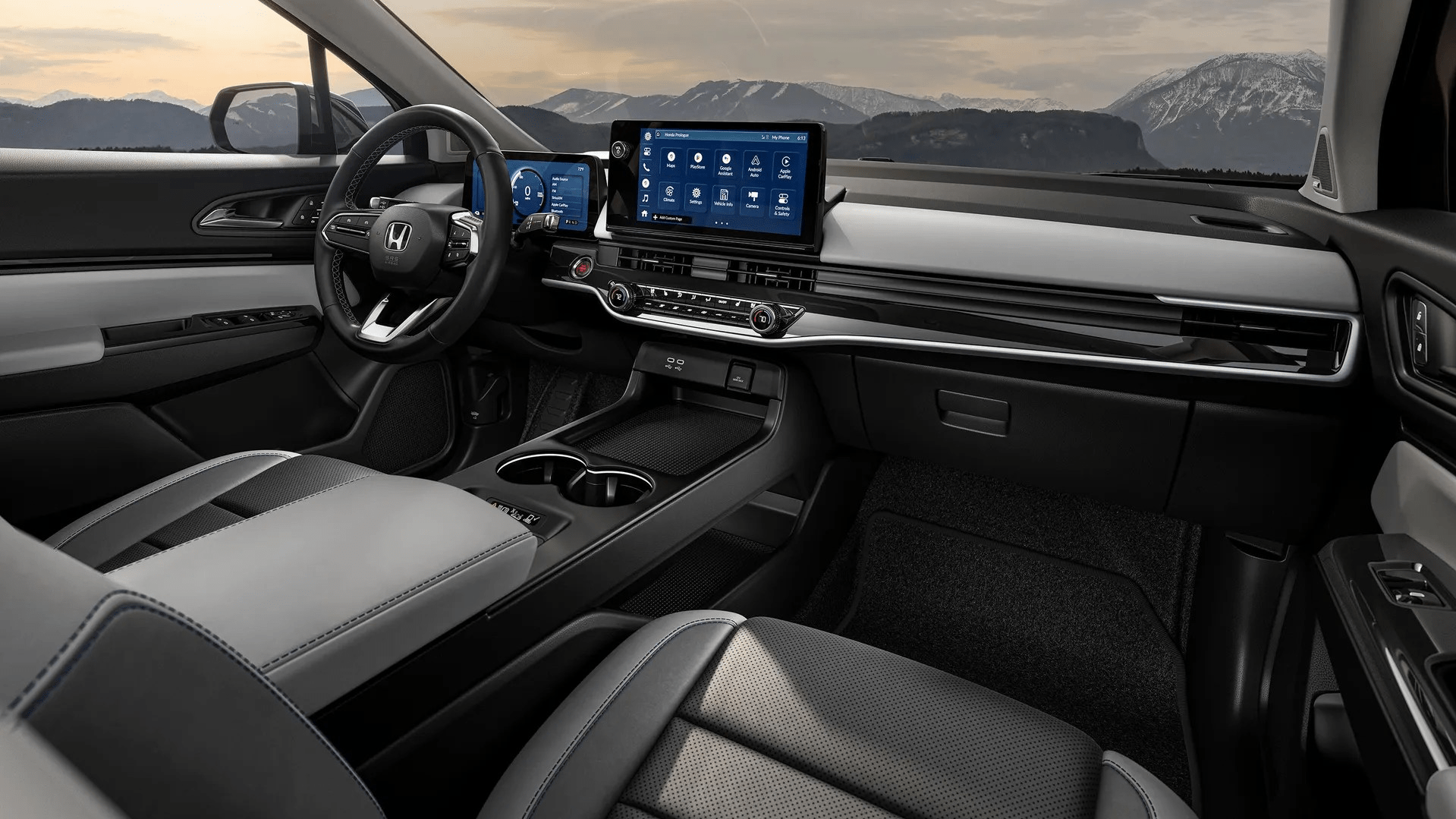
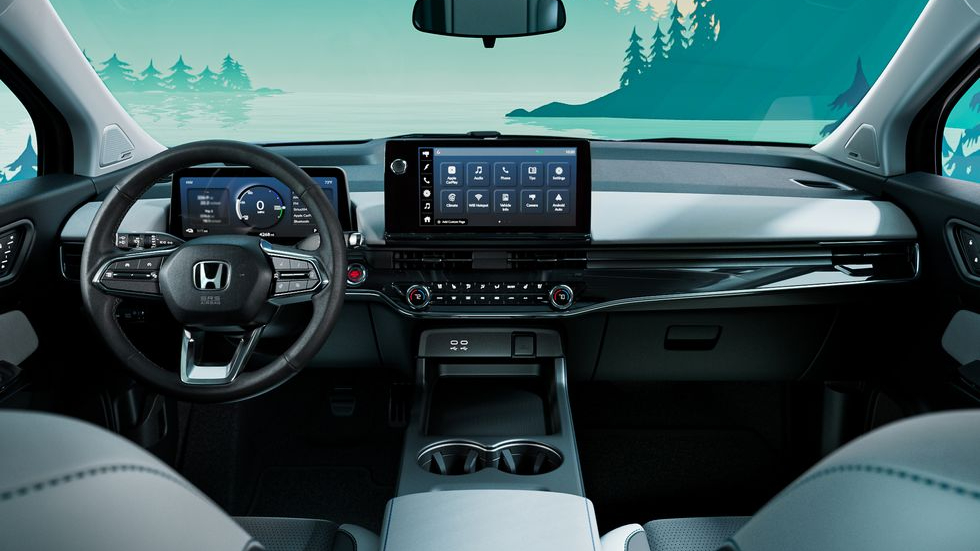
Following closely behind the new Acura ZDX, Honda has officially revealed their second-ever EV for the United States, the 2024 Prologue SUV.
Excluding various hybrid models, Honda’s only other attempt at a full electric car was the Clarity EV, which was doomed from the start due to its 89-mile range and the fact it was only available in California and Oregon. Thanks to the help of General Motors’ Ultium platform, Honda is giving it another go. That’s right, while the Acura ZDX is based the Cadillac Lyriq, the Prologue shares its underpinnings with the upcoming Chevrolet Blazer and Equinox EVs.
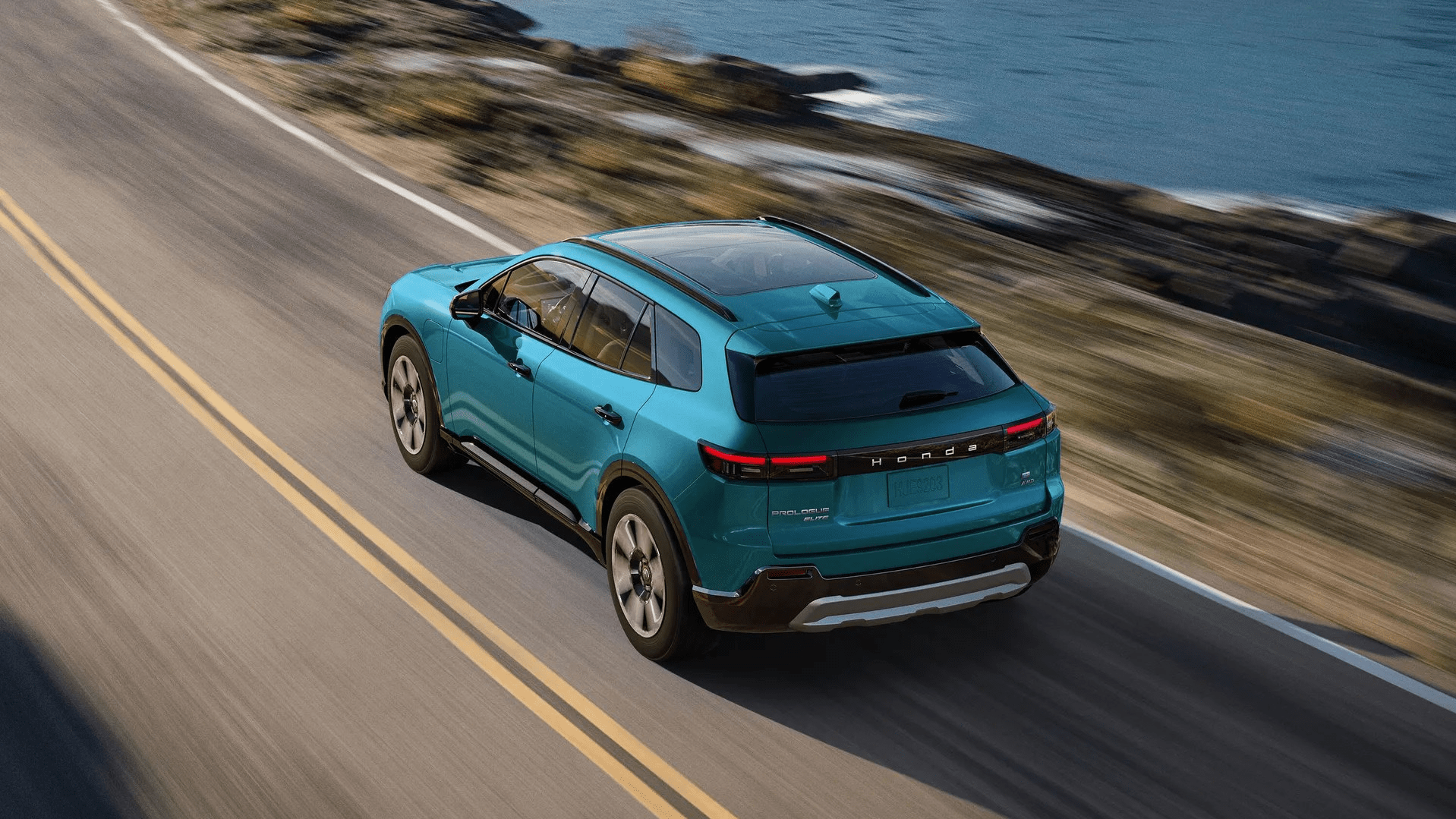
At 192 inches in length, the Prologue slots in between the midsize Passport and three-row Pilot. Since it’s wider than it is tall, the Prologue gives off decidedly station wagon vibes — much like the old Ford Flex — but unlike the Flex, overall exterior styling is smooth, minimalist and handsome. In our eyes, it’s easily the best looking current Honda crossover.
A 121.9-inch wheelbase should also provide excellent interior space. Inside the Prologue, passengers can enjoy physical buttons (yay!) and a layout largely similar to other Honda models. Three trim levels will be available (EX, Touring, and Elite), with tons of standard features including heated seats, dual-zone climate control, and an 11-inch digital gauge cluster. Top-end models will add ventilated front seats and a heads-up display. Of course, all of the driver assistance features you’d expect will also be present.
Single-motor front-wheel-drive and dual-motor all-wheel-drive configurations will both be available. Honda has not released power output figures, but the only battery option will be 85.0 kWh. Estimated maximum driving range will be around 300 miles, with the all-wheel-drive variant likely coming in slightly lower.
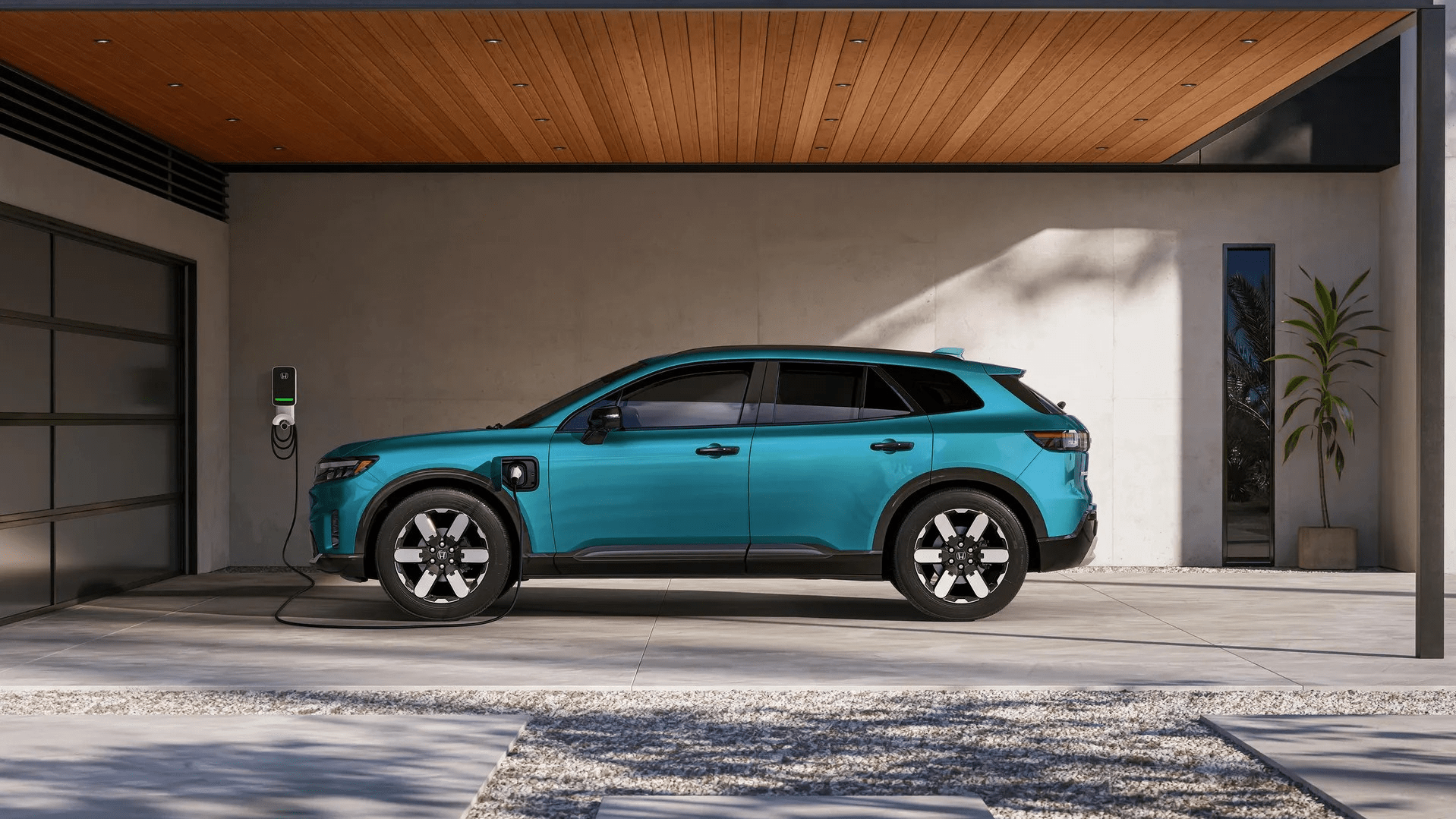
All Prologues will be able to DC fast charge up to 155 kW, with a target of adding 65 miles of range in 10 minutes. Honda is also doing something a little bit unique, offering buyers a choice of included charging options with their purchase. You will be able to pick either an 11.5-kW home charger or a 7.5-kW mobile kit, both with a $500 installation incentive. A $750 credit towards public charging is the third option.
Pricing for the actual vehicle has not yet been announced, but is expected to start between $45,000 and $50,000. Order books are set to open before the end of the year with deliveries beginning in early 2024.
3.4 Million Hyundai and Kia Models Recalled For Fire Risk
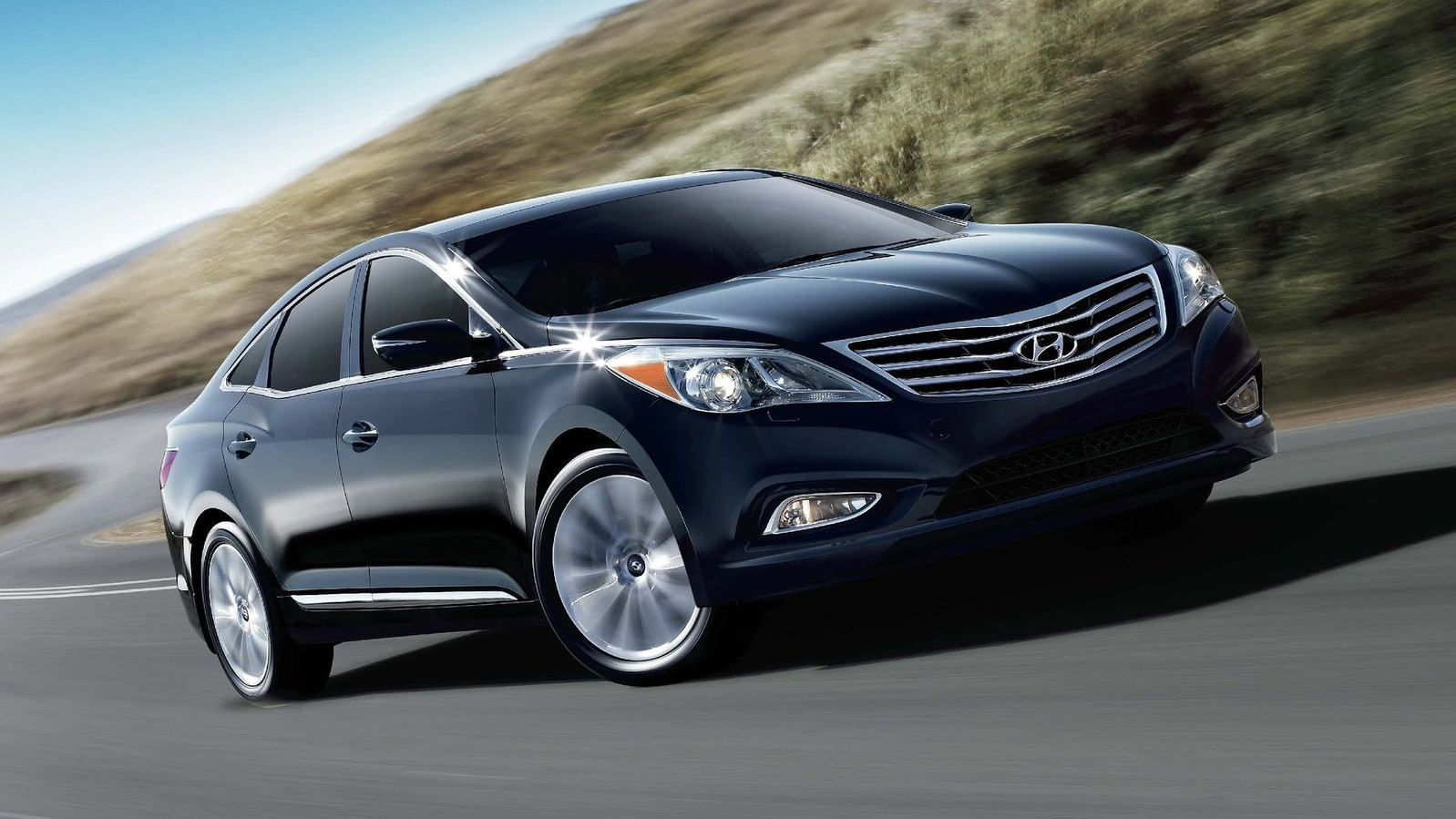
This week, Hyundai and Kia recalled more than 3.3 million vehicles over fire concerns. The cause is a faulty ABS module, and the automaker says affected vehicles should be parked away from homes and other structures.
“The vehicle’s anti-lock brake system module could leak brake fluid internally and cause an electrical short,” according to a filing with the National Highway Highway Traffic Safety Administration. “An electrical short could result in significant overcurrent in the ABS module, increasing the risk of an engine compartment fire while driving or parked.”
To date, Hyundai says it is aware of 21 related fires and 22 “thermal incidents” (visible smoke, burning, and melting) across the US. Kia also reported 10 incidents of fire and melting.
Affected vehicles include 1.64 million Hyundai models: 2011-2015 Elantra, Genesis Coupe, and Sonata Hybrid; 2012-2015 Accent, Azera, and Veloster; 2013-2015 Elantra Coupe and Santa Fe; 2014-2015 Equus; 2010-2012 Veracruz; 2010-2013 Tucson; 2015 Tucson Fuel Cell; and 2013 Santa Fe Sport.
On the Kia side, it affects the 2010-2019 Borrego; 2014-2016 Cadenza; 2010-2013 Forte, Forte Koup and Sportage; 2015-2018 K900; 2011-2015 Optima; 2011-2013 Optima Hybrid and Soul; 2012-2017 Rio; 2011-2014 Sorento; and 2010-2011 Rondo.
Owners of any of these models should see their local dealer for a replacement fuse. The good news is, Hyundai has said owners can continue to drive the vehicles and that it’s not aware of any crashes or injuries due to the issues.

BMW Trademarks New Naming System for Future Models
In the past, BMW’s model naming system generally made sense. For instance, a 330i was a 3-Series with a 3.0-liter engine, and the M3 was the performance version.
These days, the engine correspondence is gone, but the numbers are still relative to the vehicles’ size and position in the lineup. The “i” prefix has been used to denote electric vehicles, “e” suffix for plug-in hybrids, and “X” for SUVs, but nowadays you have a bunch of other nomenclature mixed in, so you end up with things like the M850i (which is not electric), X3 xDrive30e, or i4 eDrive35. And let’s not forget we also currently have the iX and XM, just mashing everything together.
The other issue comes with the increasing number of electric options in BMW’s lineup. The i4, i5, and i7 are all EV versions of the gas 4, 5, and 7-Series cars, but what happens when an electric 3-Series is next in line? You already have an i3, and it’s definitely not the same thing. And furthermore, what about the SUVs?
According to recent filings with the European trademark office, various new proposed model names suggest clarification is coming soon. “X” will remain the prefix for SUVs and “i” will remain the separator for electric models, but all models will simply follow the three-number system. According to Car Magazine, the X3 will be the first model to swap, becoming X320 and X330, with plug-in versions being iX330, iX340, and iX350.
Sedans and coupes will apparently get the same setup, but dropping the “i” that’s been on the end for decades. As an example, the 3-Series will become 330 and 340 (or whatever numbers are decided upon). The suffix was originally used to note a car’s fuel injection, but has stuck around until now out of tradition. However, with the electric models using the same letter, it could get very confusing.
There’s no word on what will happen with M performance cars, nor is there any official word on when the shift will begin, but hopefully it will be sooner rather than later.
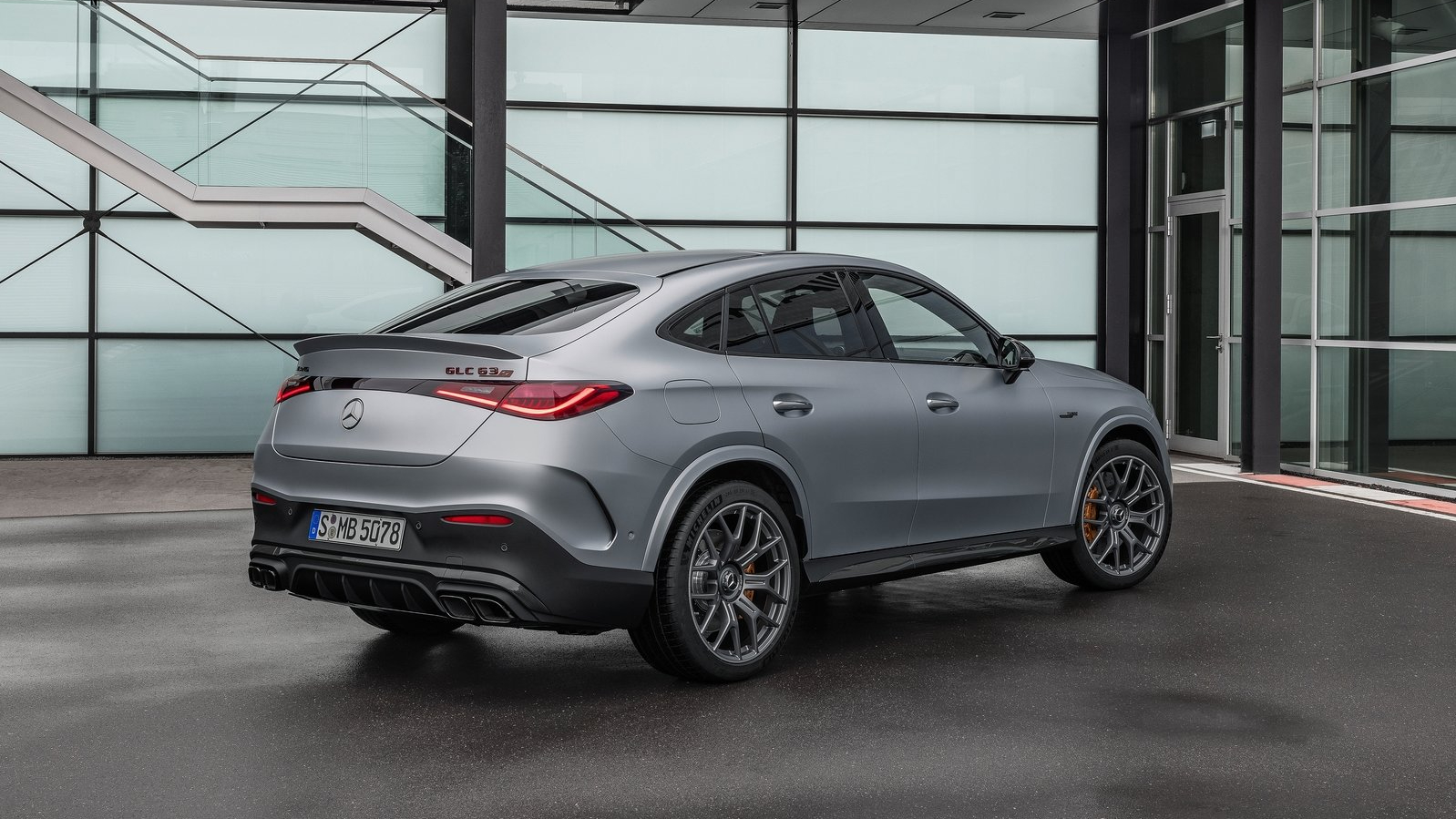
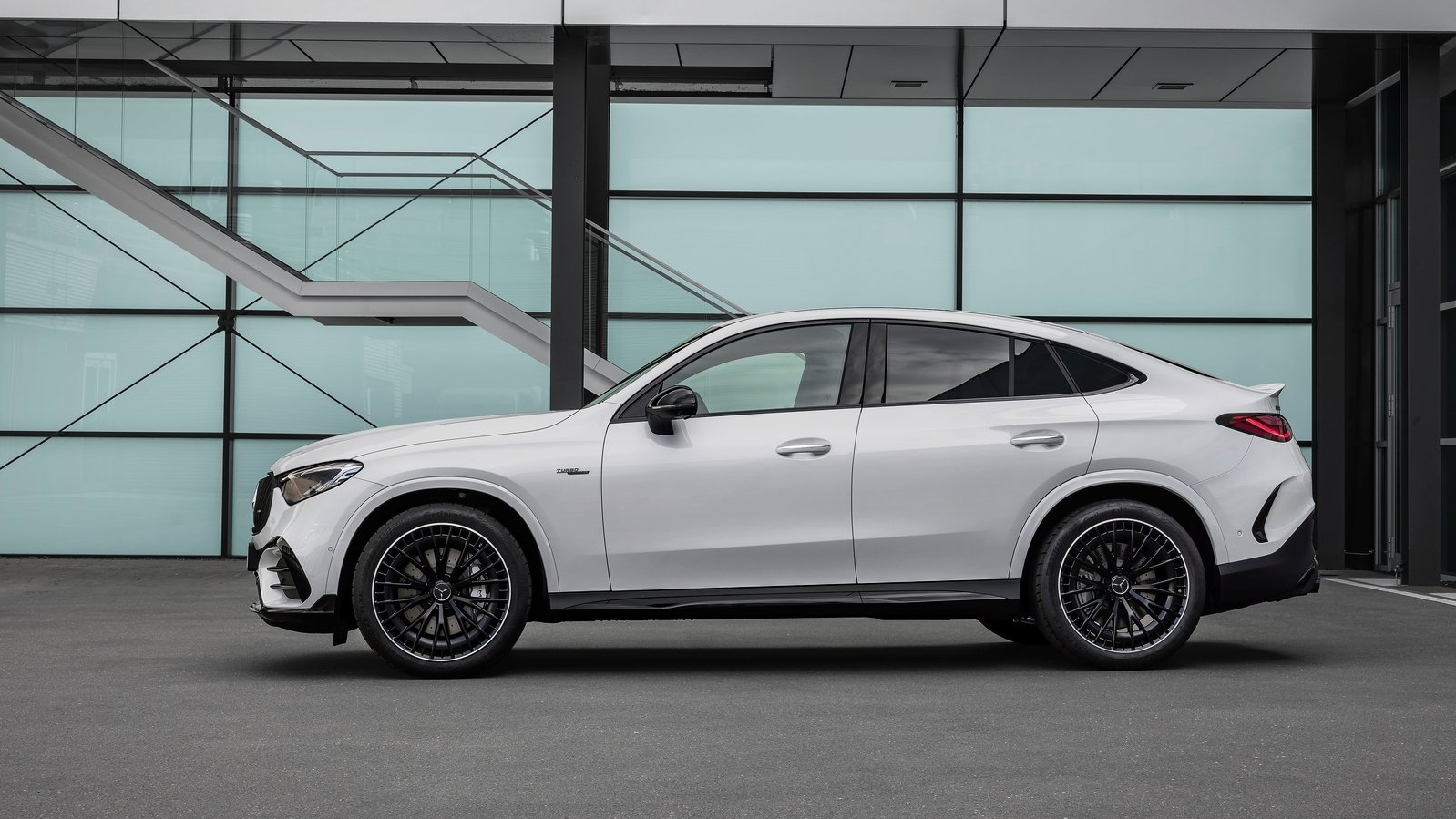

New Mercedes-AMG GLC Coupe Continues the Turbo-Four Madness
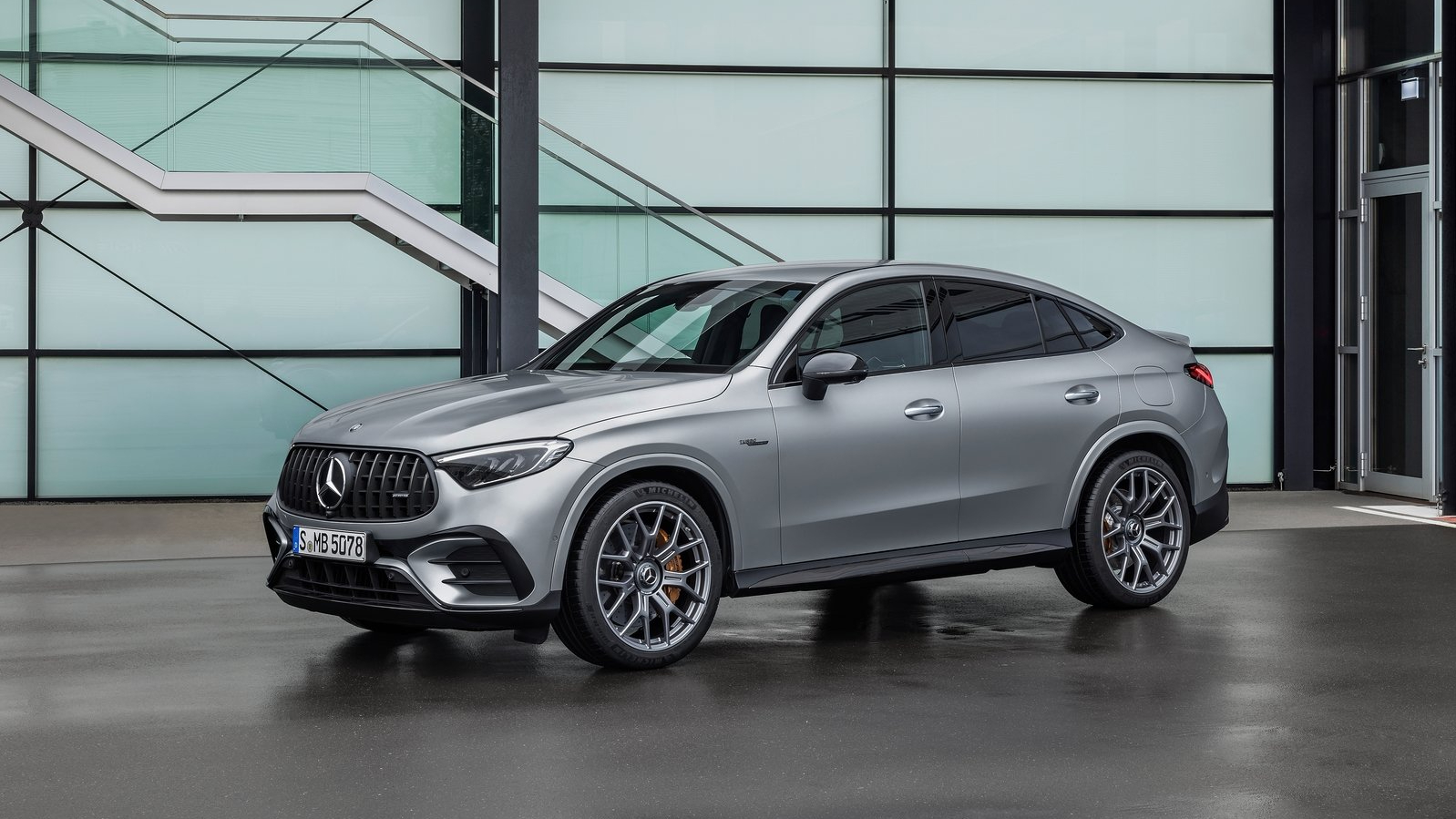
If you’re one of the few people who likes the new Mercedes-AMG C63 with its plug-in hybrid four-cylinder powertrain, you’re in luck — the SUV version has also just been revealed, and it follows suit in the engine department.
To be fair, the four-cylinder engine is less of a big deal in the GLC43 and GLC63 since the fastback-coupe-SUVs were never as hardcore as the sedans anyway. What’s interesting is that for the first time both AMG versions will use the same engine, with the 43 simply forgoing the plug-in hybrid system.
Referred to internally as the M139, the 2.0-liter turbocharged four-pot makes 416 horsepower and 369 lb-ft of torque in the GLC43, and uses the same 48-volt mild hybrid system found in other Mercedes-Benz models. The GLC63, on the other hand, gets a larger turbocharged and rear-mounted electric motor to produce a total output of 671 horsepower. According to Mercedes, 0-60mph is clocked at 4.7 seconds in the 43, and just 3.4 in the 63.
Underneath, the GLC63 S E-Performance gets a few upgrades over its lesser sibling, including unequal-length control arms at each corner, adaptive dampers, active roll stabilization, and larger brakes.
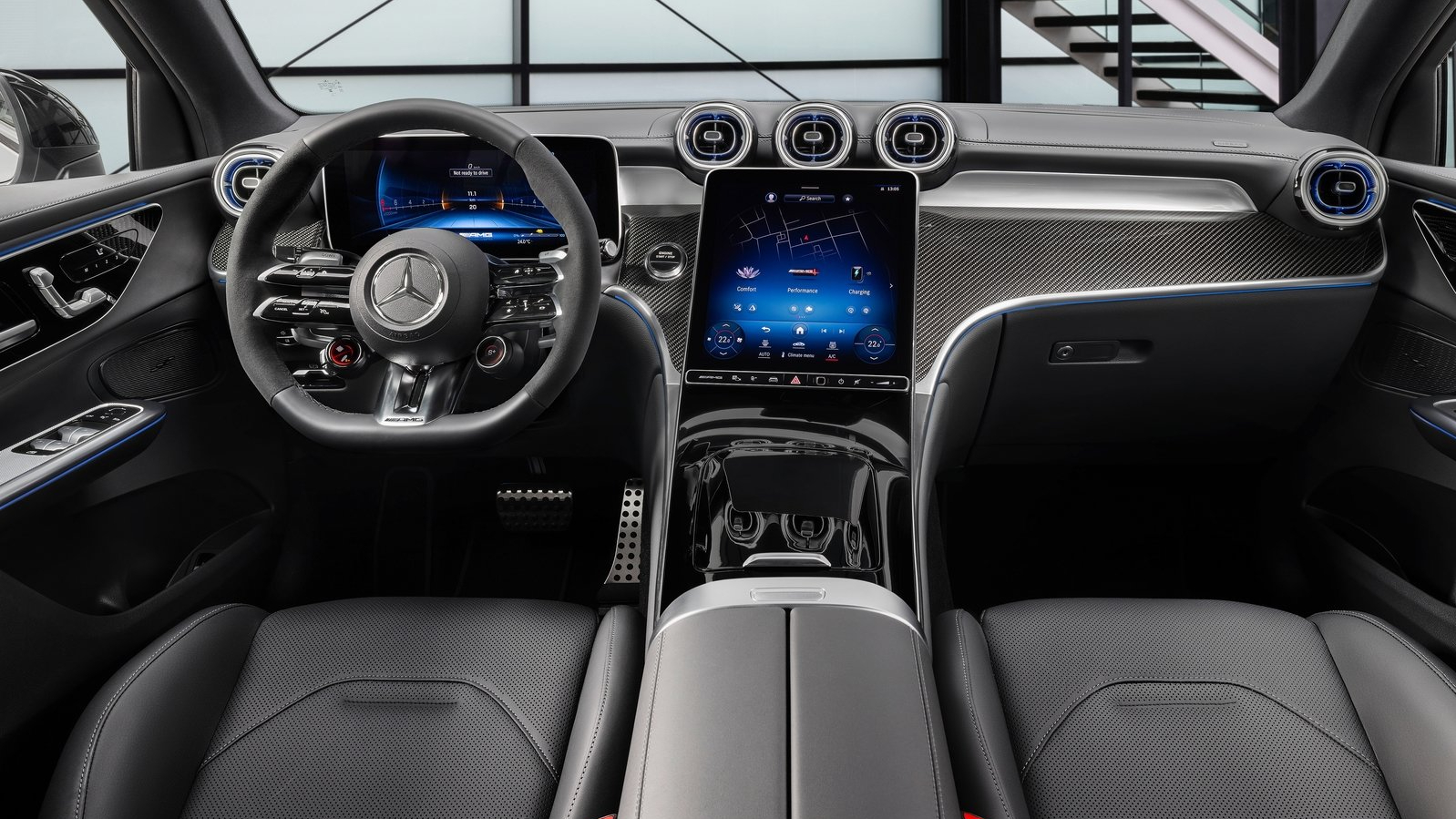
The other first for the lineup is the sharing of visual components between the two models. Previously, the AMG GLC43 was more visually similar to the regular GLC300, but for 2024 both the 43 and 63 will use the exact same bumpers, spoilers, and flared wheel arches, though different wheel designs will be available. Overall interior layout is also shared, but features and color combinations will be the differentiating factor as expected. For instance, the GLC63 will be the only model to offer the upgraded AMG performance front bucket seats.
Pricing has not yet been announced for either model, but Mercedes has said the AMG GLC43 Coupe will go on sale in the US for the 2024 model year, with the GLC63 following in 2025.
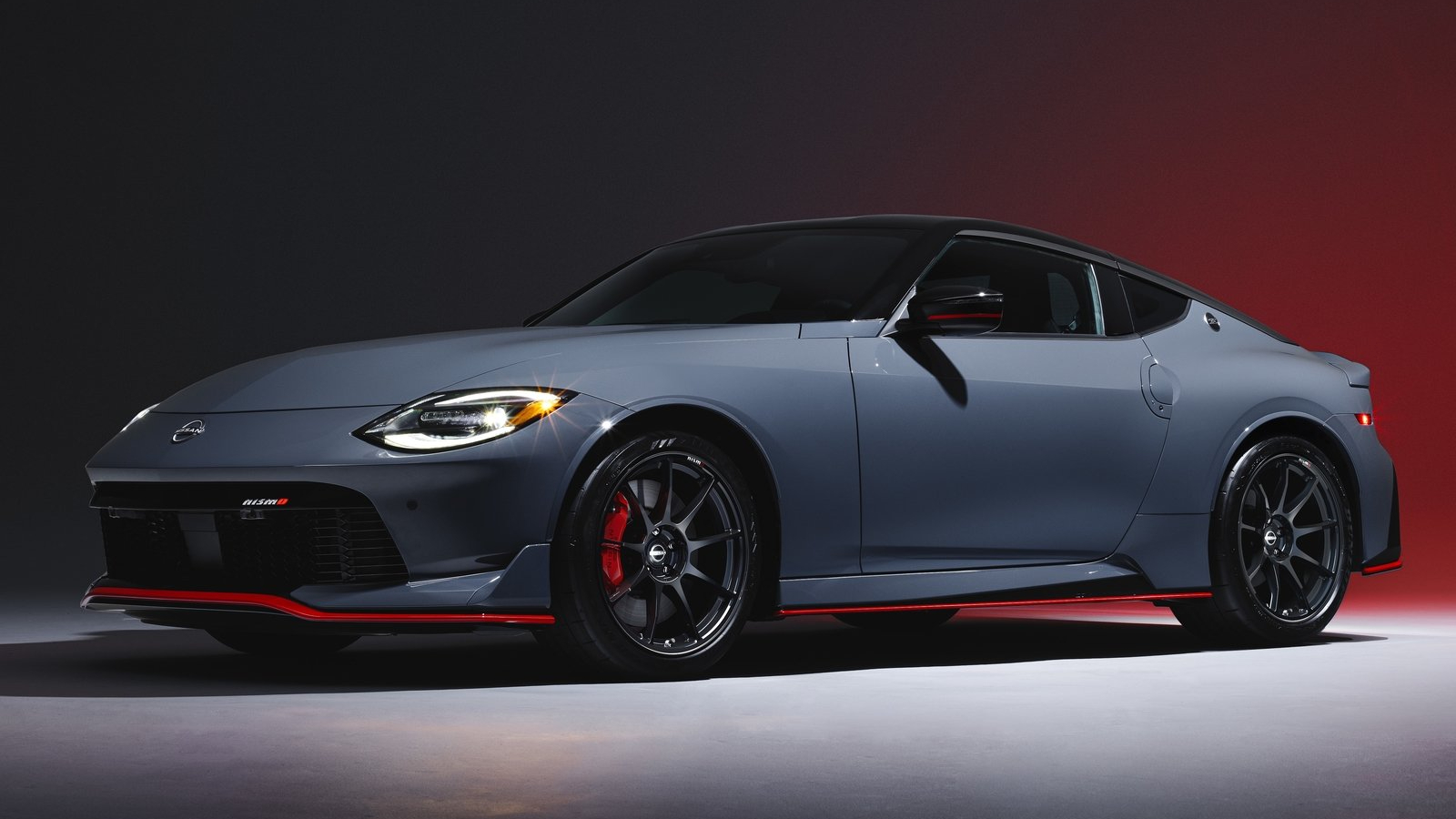
2024 Nissan Z Nismo Officially Starts Over $65,000
Following a recent online forum leak, Nissan has confirmed prices for the 2024 Z sports car lineup, and one particular model is a bit shocking: the new Z Nismo.
According to the form post and Nissan’s official press release, the base Sport and Premium trims will jump $1,220 compared to last year, to $43,305 and $53,305 respectively. On the other hand, stepping up to the Nismo requires almost an extra $13,000, with a starting MSRP of $66,085.
So what do you get for the extra thirteen grand? The 3.0-liter twin-turbo V6 is bumped up 20 horsepower and 34 lb-ft of torque (to 420 and 384), and you’re limited to a nine-speed automatic transmission. The exterior features extra aero bits, as well as bigger front brake rotors covered in 19-inch Rays forged aluminum wheels. Inside, you’ll find Recaro seats, and plenty of red Nismo accents throughout.
Whether those upgrades are worth the money is for you to decide, but there’s no doubt the pricing is questionable compared to rivals. The regular Z is actually a good value sports car, and certainly an excellent step up from the previous generation. When you compare the Nismo, however, you’ll end up looking at options like the Ford Mustang Dark Horse, which makes more power and starts over $5,000 less. The Toyota Supra also offers similar performance to the Nismo for up to $10,000 cheaper.
Unfortunately, the only winners here will be Nissan dealerships. Regular Z models are still being marked up in many cases, and the Nismo will likely be sold over sticker as well, at least initially.
 Also Andrew