
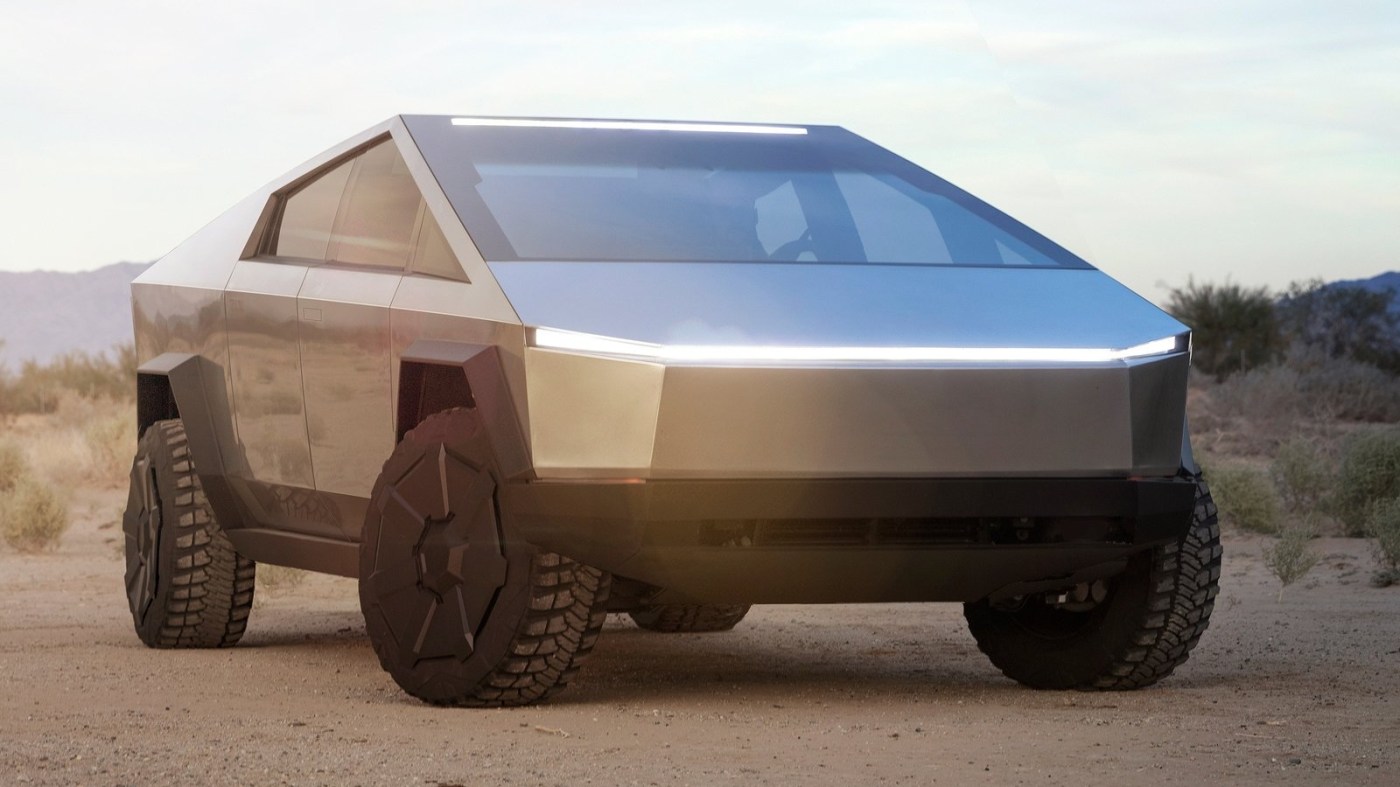
First Tesla Cybertruck Sold For $400K, Real Deliveries Next Month
Near enough four years after Tesla announced the Cybertruck (and created the vast array of memes as a result of the launch event), production is finally underway. The manufacturer took to X to announce the first truck rolling off the line on July 15th, and truckloads of Cybertrucks in shipping have since been spotted around the country.
However, don’t expect high production volumes or affordable prices anytime soon. On a third-quarter earnings call, CEO Elon Musk said “We [Tesla] dug our own grave with Cybertruck,” and that “there will be enormous challenges in reaching volume production with the Cybertruck and in making the Cybertruck cash-flow positive.”
Currently, Tesla’s Texas factory has the capacity to build about 125,000 trucks per year, and Musk insists there are still over 1 million existing reservations for the Cybertruck. The goal is to eventually produce 250,000 units per year, but Musk says that rate will not realistically be reached until 2025 at the earliest. Volume production will begin in 2024, and trucks will be slowly trickling off the line until then. However, we finally have a real date in place for the first customer deliveries: November 30th, 2023.
Last week, an example of the Cybertruck was reportedly sold at an auction for $400,000 USD. The auction occurred during the Petersen Auto Museum’s 29th gala event, tickets to which cost $1,750 and table reservations ranging from $17,500 to $30,000. Some social media posts regarding the auction are misleading, claiming the truck sold was the first production example; however, the Petersen’s representatives have clarified the winning bidder will receive a low-VIN Cybertruck “when Tesla completes production.”
Either way, Tesla’s outlandish stainless-steel-bodied “pickup” seems to finally be a reality. That said, Tesla still hasn’t released any real production specs of the truck — pricing, motor details, EPA range, etc. Elon has simply called it “our best product ever” — bold, but not unexpected.

Georgia Man Receives Massive Seven-Figure Speeding Ticket
Some US states, such as Georgia and Virginia, are notoriously strict on speeding and other driving-related repercussions. For instance, any ticket over 80 mph in Virginia can automatically be considered reckless driving, whereas Georgia uses the term “super speeder” for excessive speed infractions.
However, Savannah, GA resident Connor Cato was particularly caught off guard when he was caught driving 90 mph in a 55 mph zone and handed a fine of $1.4 million. The Super Speeder law typically adds an extra $200 fine for anyone caught going 75 mph or faster on a two-lane road and 85-mph or faster on “other roads or highways.” Yes, 35 miles per hour over the posted speed limit is certainly fast and unsafe, but a punishment of seven figures seems just a bit excessive.
WSAV, a local NBC news station in the Peach State, interviewed lawyer Sneh Patel, who was equally shocked by the fine. “At first, when I was asked about this, I thought it was a clerical error,” said Patel, but when Cato told Patel he followed up, Patel said he’s never seen anything like this. According to GA Code 40-6-1, the maximum amount for traffic violations in Georgia can only go up to $1,000. Patel further pointed out that misdemeanors of “high and aggravated nature” can be up to $5,000 and bond amounts are never more than $10,000, “But not $1.4 million—that’s something that goes into cases that are drug trafficking, murders, or aggravated assaults, something of that nature.”
Upon WSAV reaching out to the city of Savannah, it explained the fine was not a clerical error, but rather “a placeholder” as a Super Speeder ticket has a mandated court appearance. According to the city, “The balance reflected in the e-citation is a placeholder. Super speeders are required to go to court. The system automatically puts in $999,999.99 as the base amount plus other costs since the only way to resolve the ticket is to appear in court.” It noted this practice has been in place since 2017 and the amount is not actually enforced.
Toyota Teases Sporty Redesigned 2025 Camry
The current-generation Toyota Camry went on sale for the 2018 model year, and has been due a significant update to stay competitive with newer models like the recently-redesigned Honda Accord.
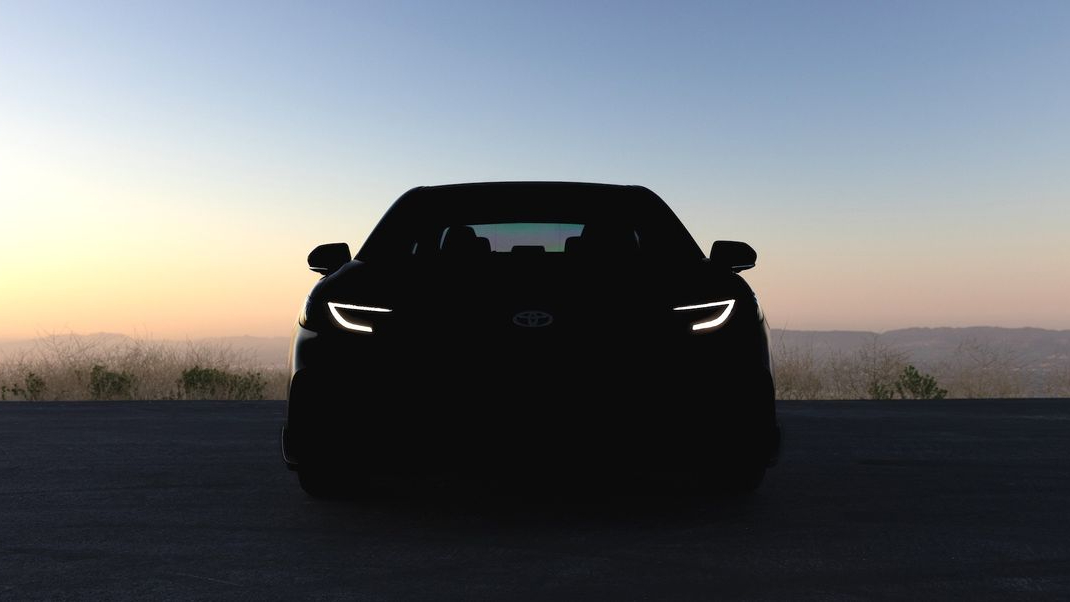
This week, Toyota has teased that “a new dawn is coming” and released the shadowy image shown above. That’s literally it — no hints other than the dark image of what’s clearly not a crossover. Given Toyota’s typical product lifecycles and the fact a new medium-sized sedan has recently been spotted testing, it’s most likely a teaser for a redesigned Camry.
Unfortunately, brightening the image in Photoshop doesn’t reveal anything we can’t already see. Up front, the new Camry will adopt a design similar to the new Prius and Crown, with a prominent Toyota logo and light signature similar to the former. Based on Toyota’s other recent design intentions, the redesigned Camry will likely be visually sportier than the outgoing model, and likely wider and sleeker as well.
Speculation online suggests that traditional gas and hybrid powertrains will continue to be offered — no full electric version just yet. Toyota’s EV models are due to slowly roll out until the end of the decade, but won’t replace big nameplates, at least not initially. It seems likely that Toyota will instead expand the availability of the Camry’s hybrid drivetrains, as we’ve seen in the Crown, Tundra, and other recent launches.
It’s also rumored that a true performance model could be in the works — a full-on GR Camry rather than the purely visual TRD trim level we saw previously. As for when we could see more information on the new models, nothing is mentioned in the teaser, but a reveal is suspected before the end of this year, maybe even within the next month.
Nissan Rogue Gets Facelift, Adds Google Built-In For 2024
As Nissan’s best selling model, the Rogue is an important vehicle for the brand, so it’s not shocking that it is receiving its third update in four model years. The current generation of the compact crossover has only been on sale since 2021, added a new engine for 2022, and is now getting a refresh that includes new technology.
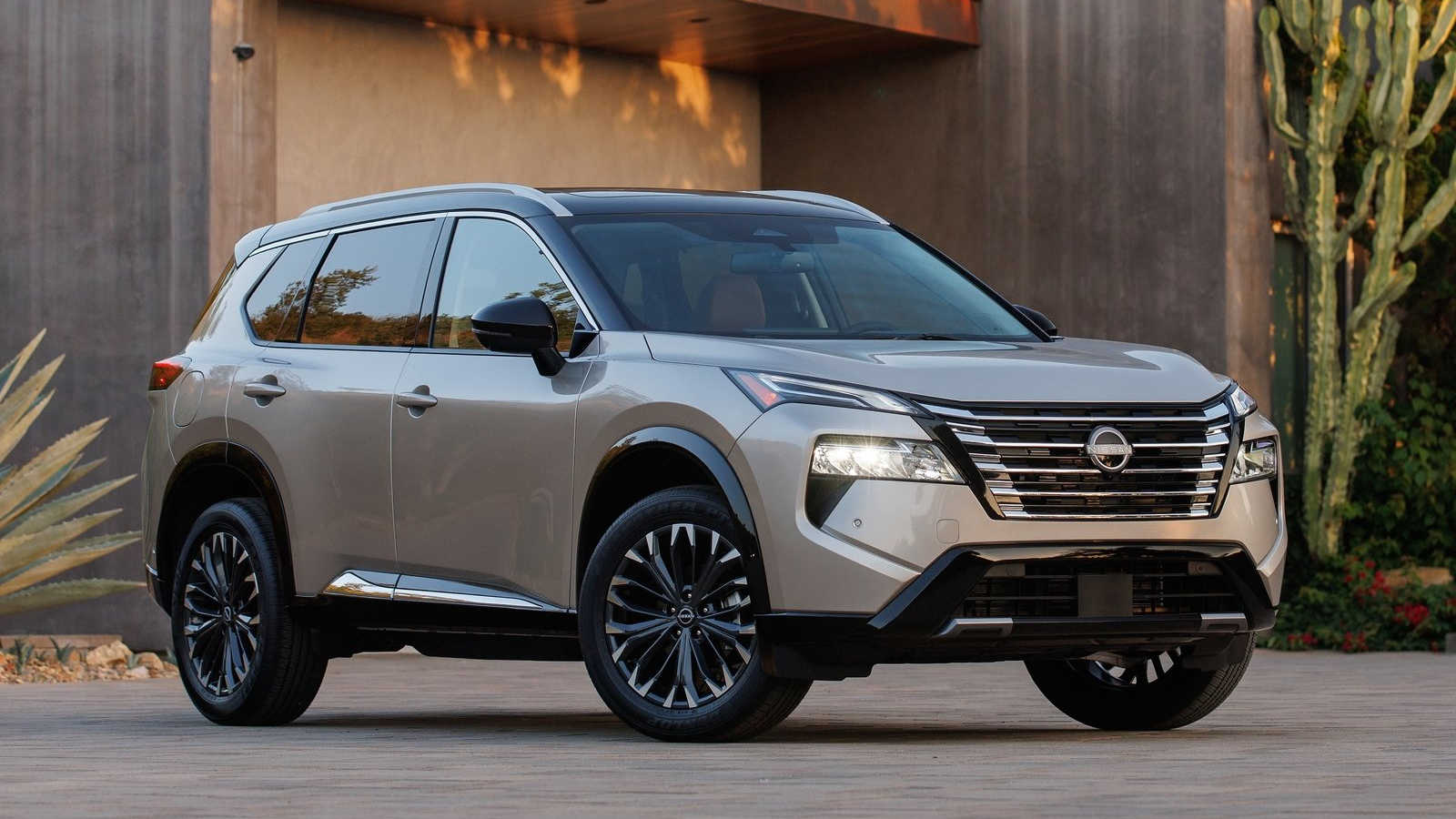
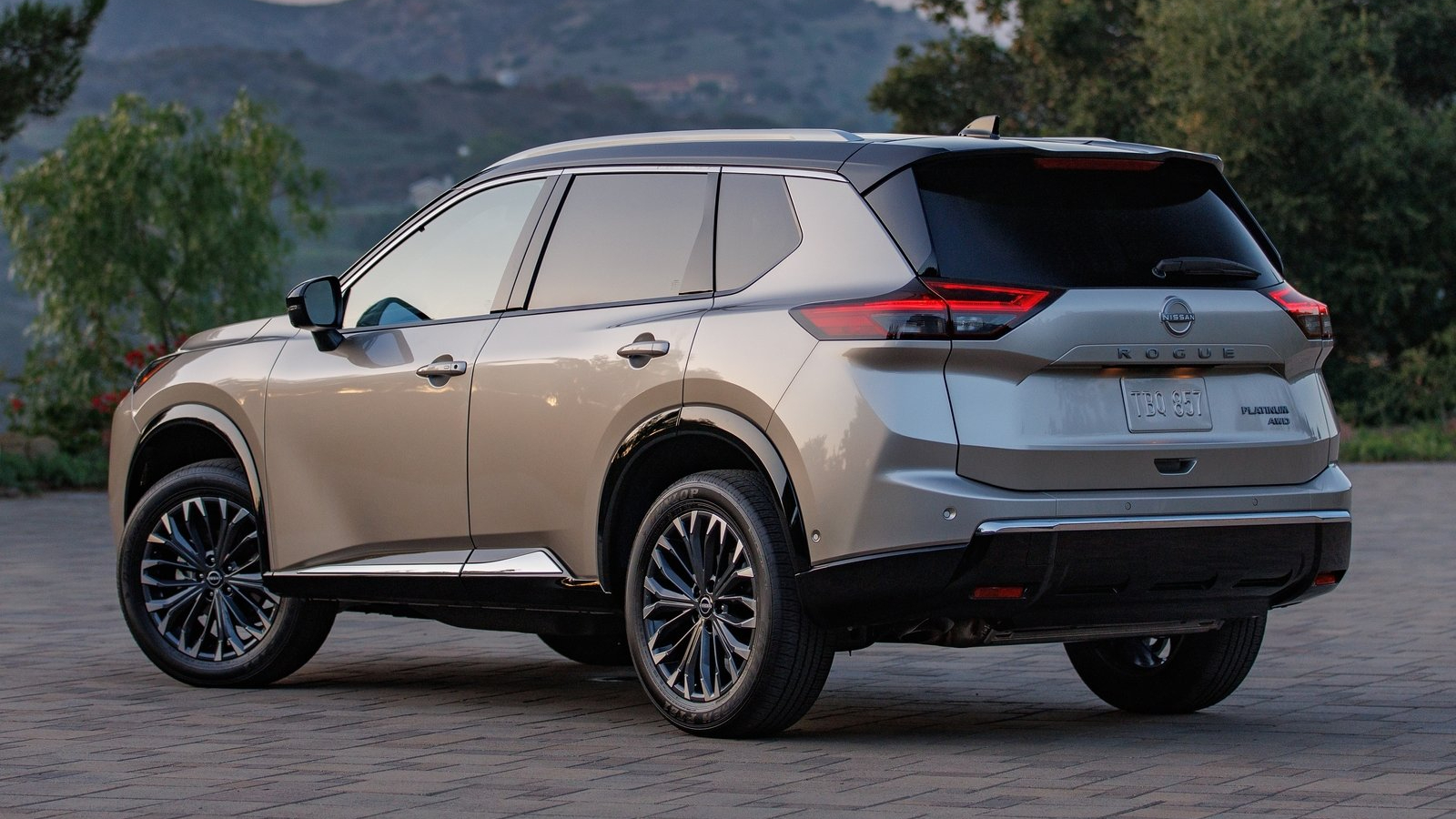
For 2024, the Rogue benefits from a facelift that, from a styling standpoint, is very literally a facelift. Up front, the grille, headlights, and lower bumper designs are tweaked. There are two new 18-inch and 19-inch alloy wheel designs available, and three new colors: Everest White Pearl, Deep Ocean Blue Pearl, and Baja Storm.
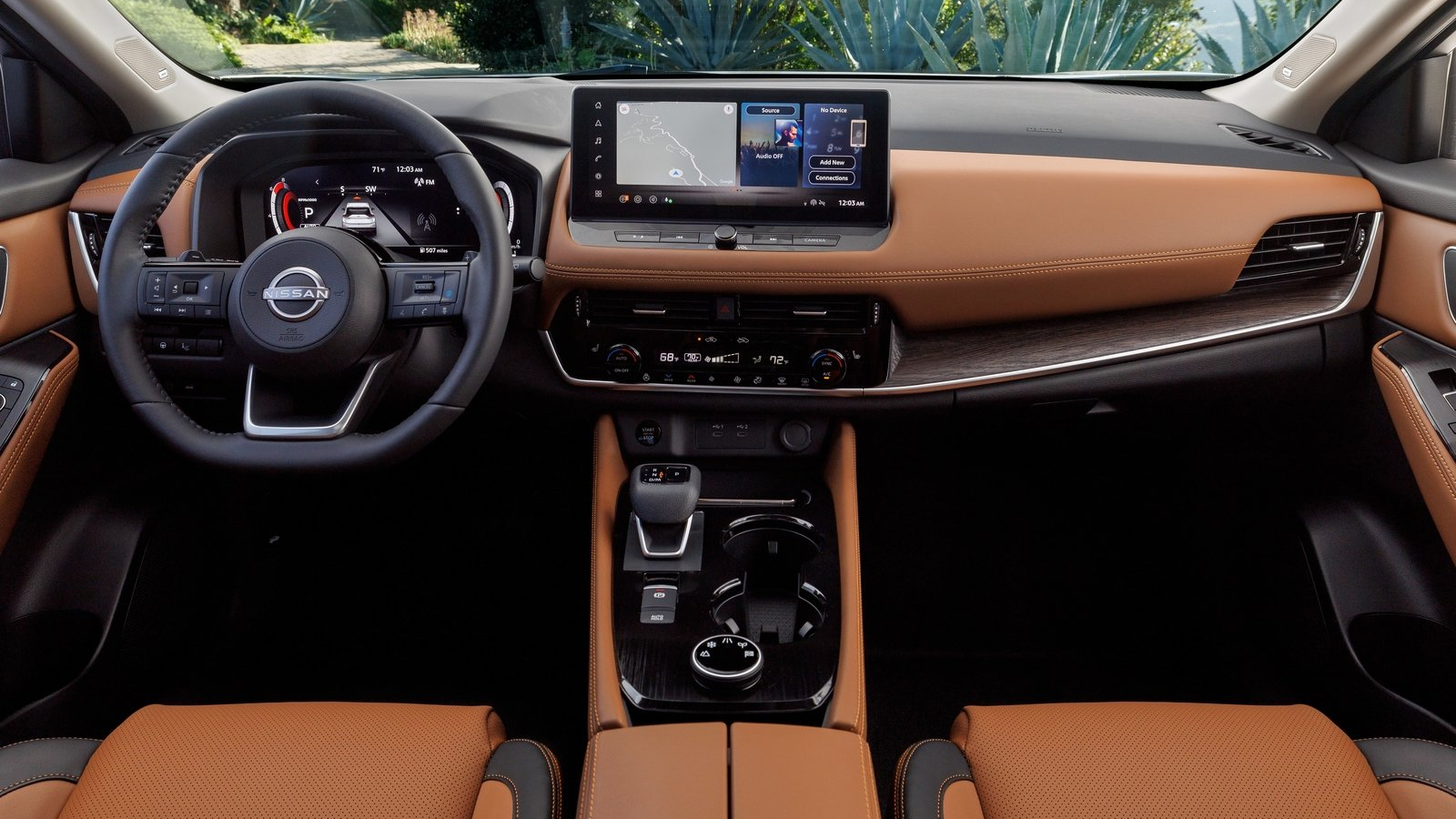
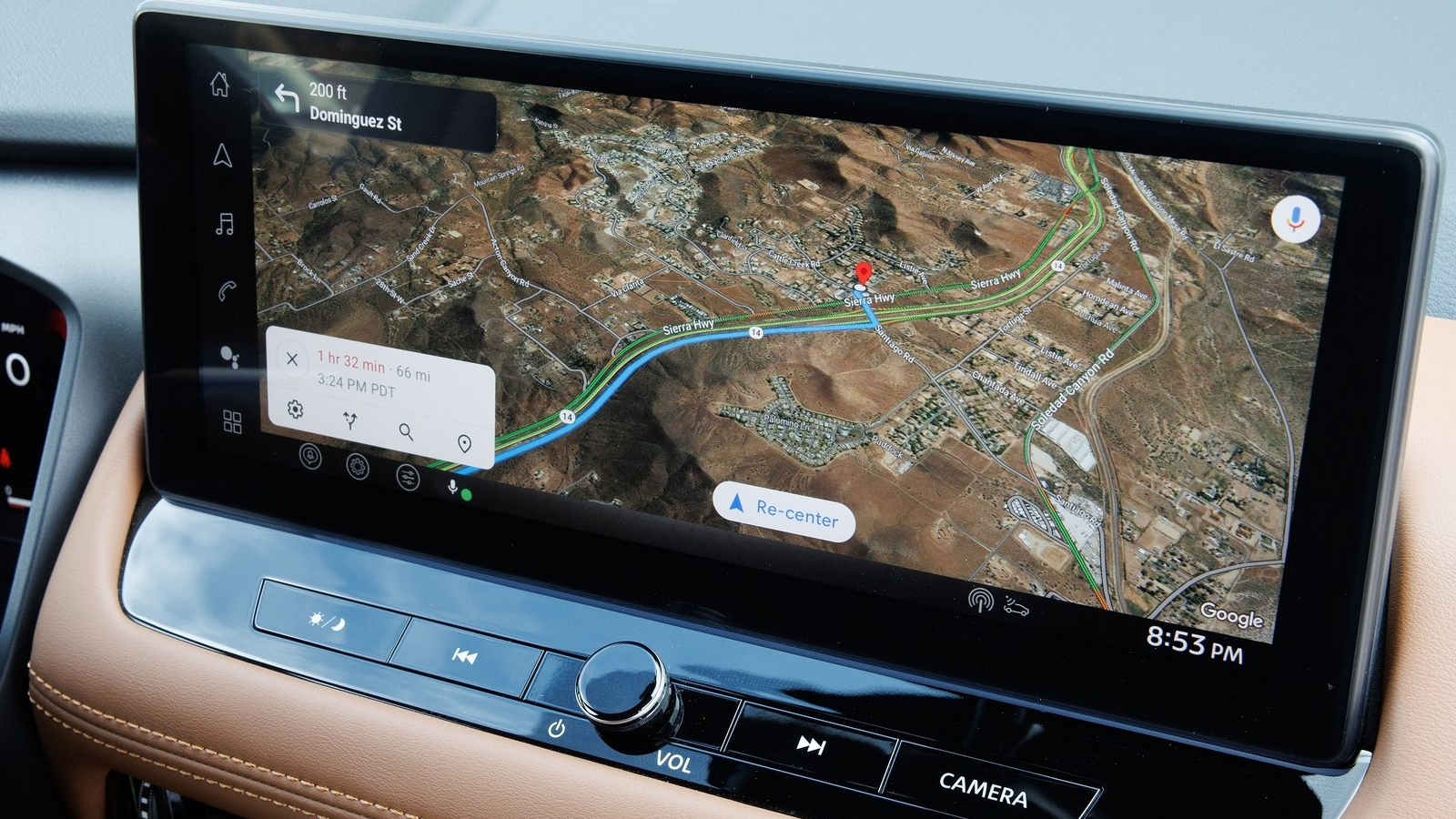
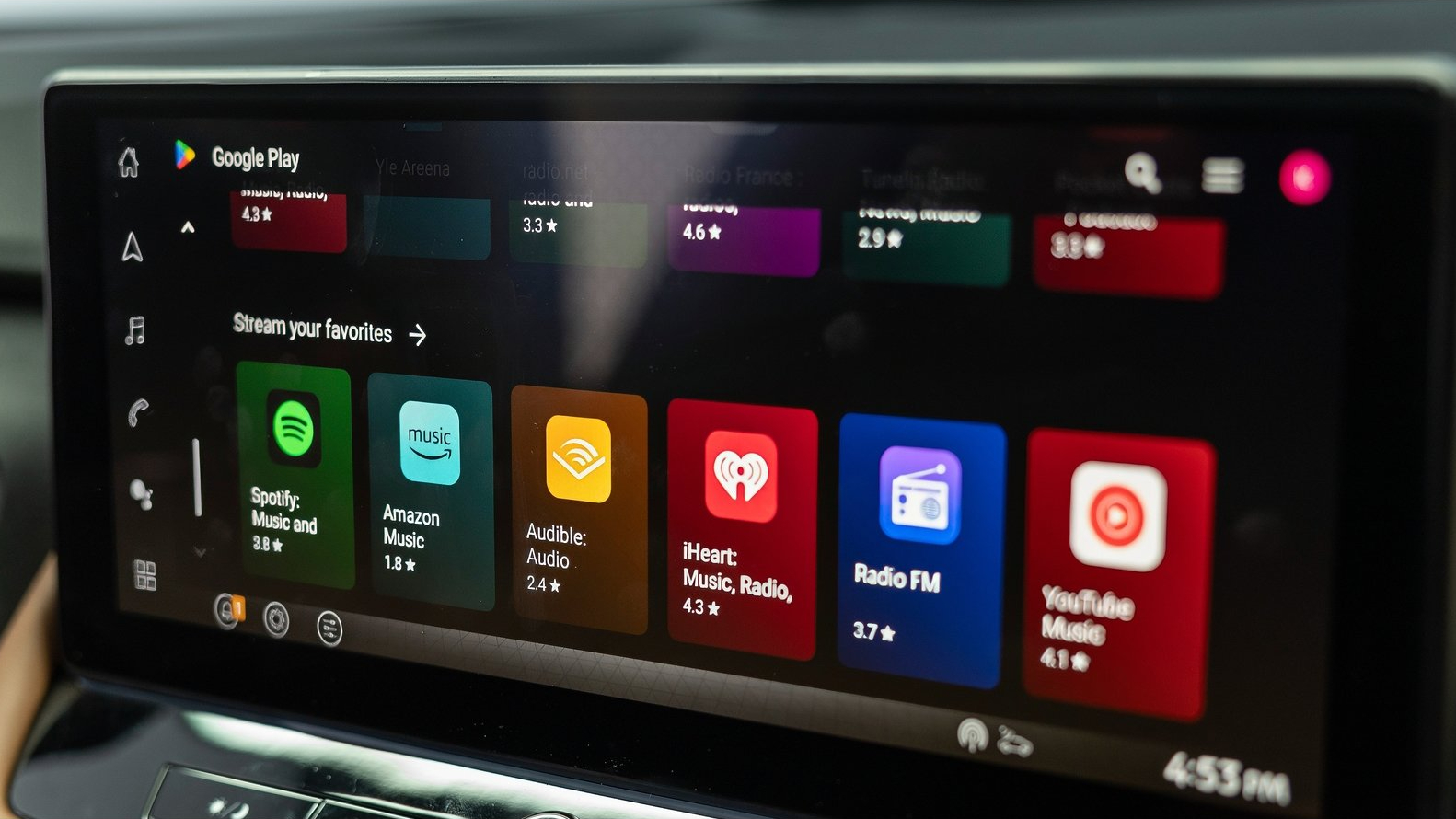
Inside, the top-end Platinum trim (pictured) adds a Chestnut Brown leather choice, and all trims get improved materials on the dashboard, door panels, and other surfaces. Base S and SV models still have an 8.0-inch infotainment display, but the SL and Platinum feature a larger 12.3-inch screen with built-in Google apps. In addition to wireless Apple CarPlay and Android Auto, drivers can access Google Maps, Google Play, Google Assistant, YouTube Music, Spotify, Amazon Alexa, and other apps directly from the factory software. A wireless phone charger and 12.3-inch digital gauge cluster are also standard on the upper trims.
Much like the exterior, the 2024 Rogue’s powertrain remains largely the same. The sole engine choice is still a 1.5-liter turbocharged three-cylinder producing 201 horsepower and 225 pound-feet of torque. The variable compression ratio inline-three is paired with a CVT in all trims, and front-wheel-drive or all-wheel-drive are available.
Look for the updated 2024 Rogue to begin arriving in Nissan dealerships in early next year.
2024 Genesis GV60 Gets More Range, Massive Price Cut
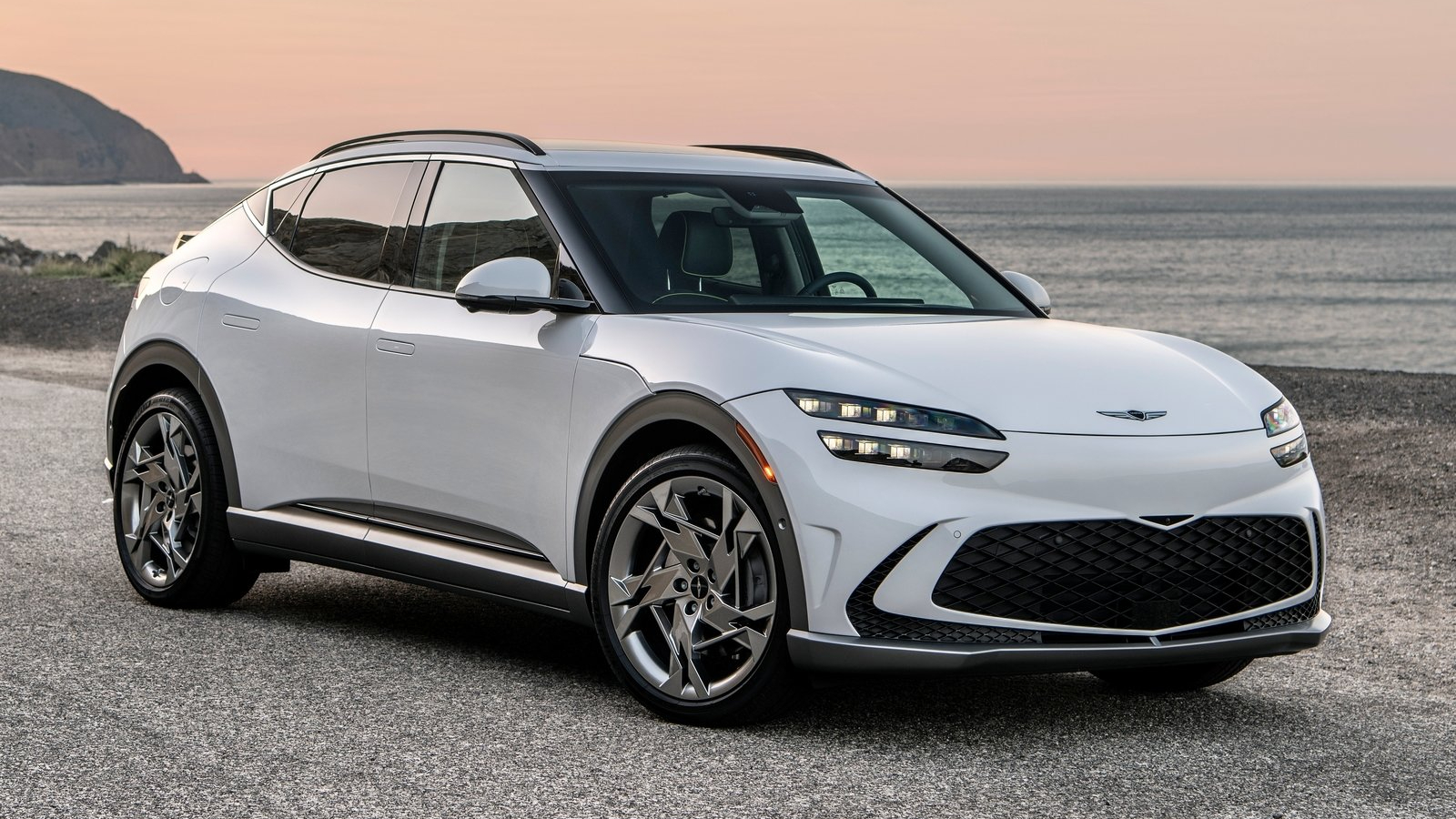
Genesis has updated the GV60 electric crossover for the 2024 model year, adding a new entry-level variant that both boosts the driving range and drastically lowers the starting price.
When it launched last year, the GV60 was only available with one drivetrain and a base price of over $60,000, a significant step up from the Hyundai Ioniq 5 with which it shares a platform. Now, Genesis has expanded the lineup with a “Standard” trim level that starts at $53,195, over $8,000 cheaper.
In the Standard, a 77.4-kWh battery pack is paired with a 225-horsepower electric motor powering the rear axle, and is good for 294 miles of EPA estimated range. The existing Advanced and Performance models, which are all-wheel-drive, achieve ranges of 264 and 235 miles, respectively. The dual-motor variants produce significantly more power, but the Standard’s combination of range and price point will likely be appealing to a wider audience.
While the GV60 is not a particularly visually-appealing vehicle, the feature set is. Buyers going for the new Standard trim won’t have to settle for a stripped-down model — 19-inch wheels, a heads-up display, power driver’s seat with deployable leg rest, and a Wi-Fi hotspot are all included. For 2024, all GV60s also feature 10 airbags as standard equipment, as well as upgraded seatbelt safety features.
The 2024 GV60 Standard and $61,745-MSRP Advanced are already on sale at dealerships around the country, while availability of the $70,745 Performance has not yet been announced.
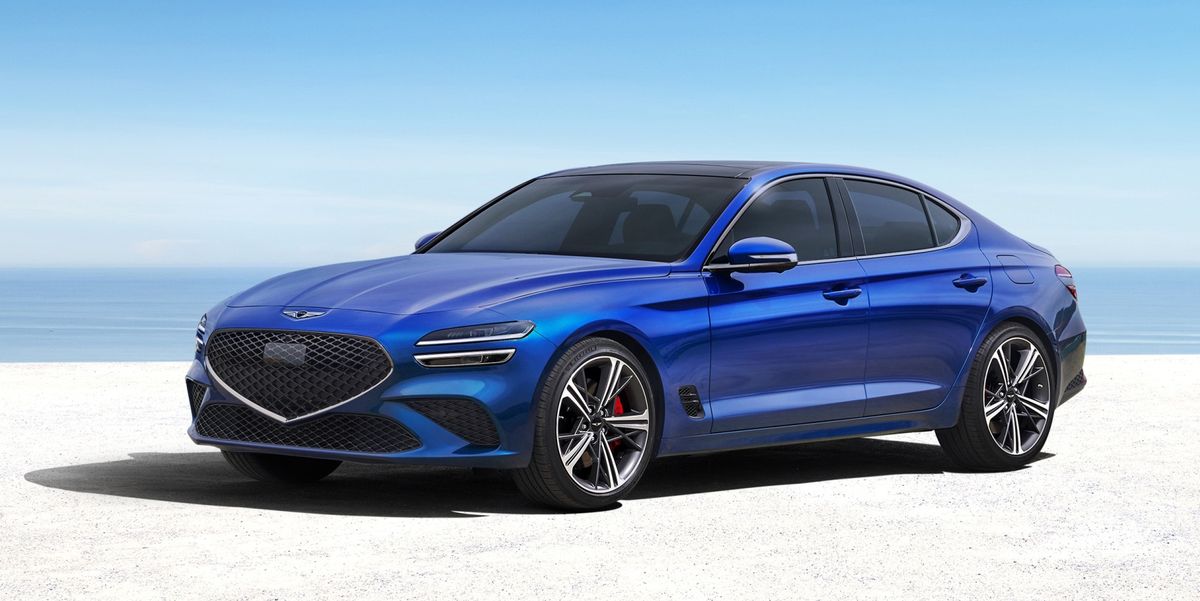
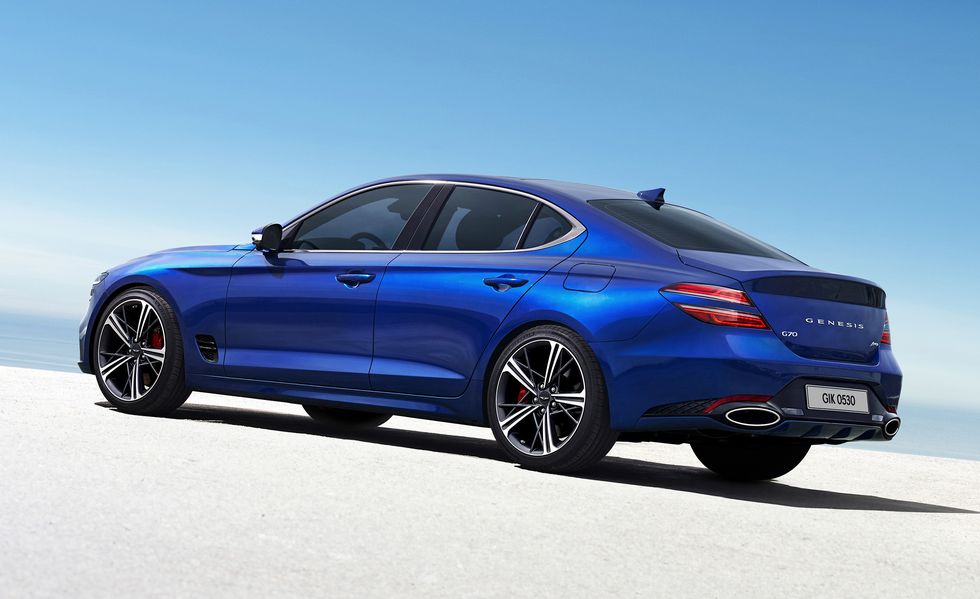
2024 Genesis G70 Adds New Engine, Minor Interior Upgrades
For the new model year, the Genesis G70 sports sedan receives a minor update with a big powertrain change and less significant feature changes.
Previously available with a 2.0-liter turbocharged four-cylinder and a 3.3-liter turbocharged V6, the G70 drops its base engine in favor of a 2.5-liter turbo-four as found in the larger G80 and Genesis’ SUVs. In this application, the 2.5-liter offers 300 horsepower and 311 pound-feet of torque, healthy bumps of 48 hp and 51 lb-ft over the smaller outgoing engine. It still uses an eight-speed ZF automatic and either rear- or all-wheel-drive.
Brembo brakes are now standard equipment, but the Korean-market G70 also now offers a Sport package with the 2.5T that includes a limited-slip differential, summer tires, and a dual exhaust. Genesis has not said whether this package will make its way to the US, but the brakes are still a nice upgrade on their own.
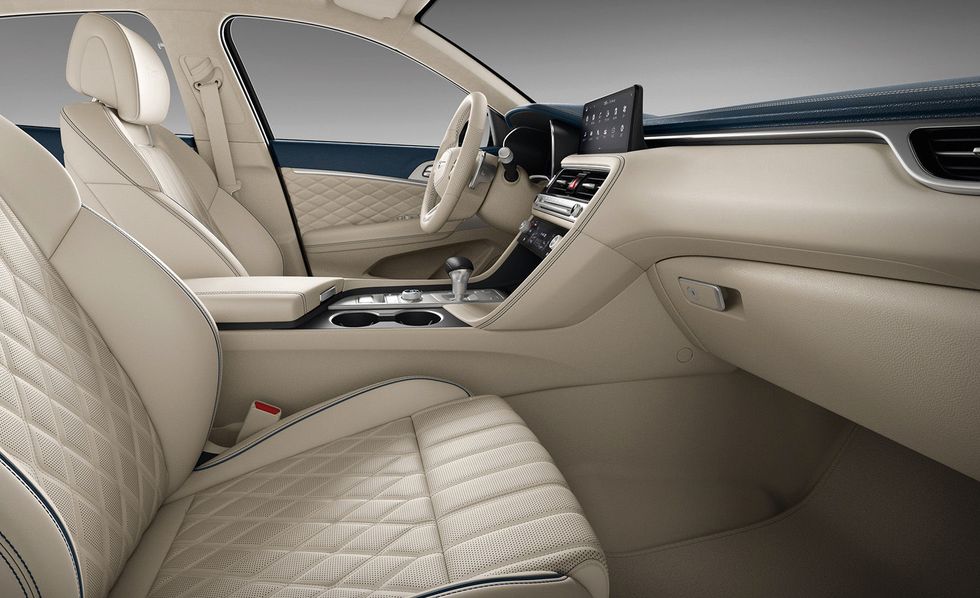
On the inside, the dashboard design features minor updates. The climate controls have been switched to a touch-sensitive design that is similar to the Kia EV6 (boo), and the buttons directly below the infotainment screen have been revised. A USB-C port has been added, and rear side airbags are now standard across the lineup, along with two new upholstery color options. Genesis Digital Key 2 is also available, which allows automatic door lock controls from your smartphone.
While the interior changes are not necessarily a make-or-break update, most G70 buyers will likely appreciate the extra performance from the bigger engine. The 3.3-liter turbo-six is still available with the same output as last year, for those that want even more power. Pricing for 2024 has not been released, but expect a minor bump over 2023’s $39,400 base MSRP.
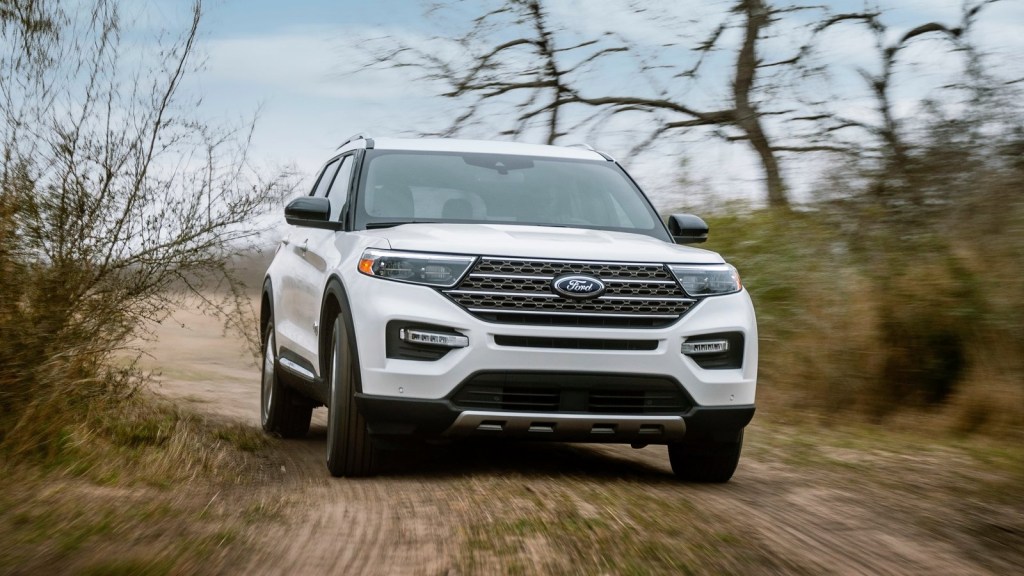
Ford Explorer, Lincoln Aviator Hybrids Discontinued
Since the current generations went on sale in 2020, the Ford Explorer and Lincoln Aviator have both been available with hybrid drivetrain options, though slightly different between the two SUVs. Neither version has sold particularly well, and both are now being dropped for the 2024 model year.
The Explorer previously offered a traditional hybrid setup, pairing a 3.3-liter V6 with an electric motor for a modest 3 to 4 MPG bump over the base 2.3-liter EcoBoost four-cylinder. A combined 27 MPG rating on the rear-wheel-drive version paled in comparison to the 36 MPG combined achieved by the Toyota Highlander Hybrid or the 37 MPG of the Kia Sorento Hybrid.
On the other hand, the Aviator featured a plug-in hybrid system that used a 3.0-liter twin-turbo V6 and was able to drive 21 miles on pure electricity. While the combined EPA rating of 23 MPG did beat the BMW X5 xDrive45e, it lagged behind the Volvo XC90 T8 Recharge, and the electric-only driving range also fell significantly short of those rivals.
Being asked about the discontinuation, Ford cited high demand for the hybrid version of the Police Interceptor Utility. Logically, factory resources will be diverted to the Explorer-based police vehicle instead. Lincoln hasn’t provided a specific reason, but the Aviator is built at the same plant in Chicago, so the cause is likely related.
Interestingly, the Aviator Grand Touring was one of the only plug-in hybrid vehicles eligible for the full $7,500 government tax credit as part of the new Inflation Reduction Act rules. Going forward, the Aviator will only be sold with the regular gas-powered 3.0T V6, and the Explorer will offer the same V6 alongside the EcoBoost turbo-four.
 Also Andrew
Leave a comment