
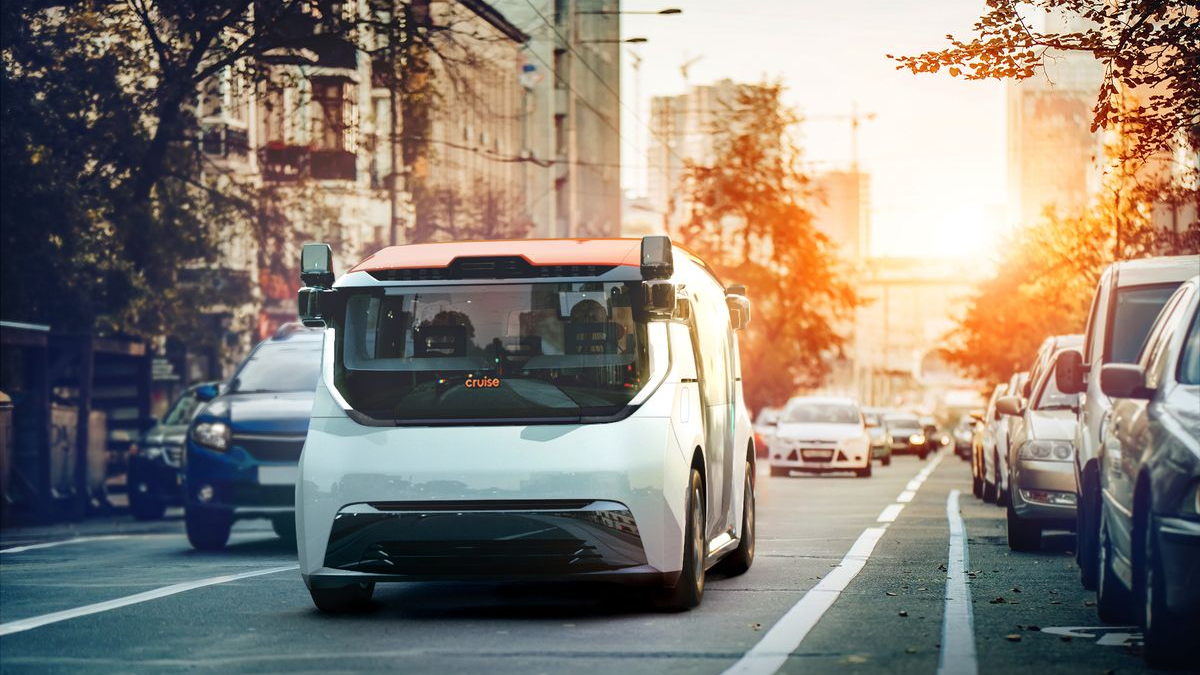
Cruise Origin Delayed Indefinitely After Major Development Setbacks
Going into the year 2024, the technological landscape is full of advances in artificial intelligence, from Apple’s Vision Pro mixed-reality headset to the LED-covered sphere in Las Vegas that takes entertainment and advertising to new highs.
On the other hand, driverless cars — which some executives have promised to be right around the corner for nearly a decade — aren’t necessarily getting any closer at the same rate. In 2020, General Motors’ subsidiary Cruise unveiled a driverless pod called the Origin and claimed production would begin this year.
However, things haven’t quite gone to plan, thanks to a series of mishaps involving their fleet of modified Chevrolet Bolt test vehicles. Recently, the state of California suspended Cruise’s self-driving car permits following a series of accidents, including one where a pedestrian was dragged twenty feet down the road after the Cruise vehicle failed to stop upon colliding with a human-driven vehicle. There have also reportedly been several instances of the Bolts blocking intersections and impeding responding emergency vehicles.
After the news of the suspension came to light, Cruise announced they were placing an indefinite pause on operations, and two founding executives (CEO Kyle Vogt and COO Daniel Kan) resigned. In a letter to employees, the company detailed their scaled-back future plans, which include resuming autonomous taxi rides in just one city (rather than 13) once operations resume. Neither a timeline nor location were specified.
Unsurprisingly, production of the Origin is also delayed. A GM spokesperson said that no examples will roll off the line in 2024, whether they’re prototypes or production models. A few prototype vehicles are believed to already be in existence, though it’s unknown how many. The Origin was supposed to be built in GM’s Detroit Factory Zero, where the GMC Hummer EV is currently made.
Testing setbacks aside, the Origin was unlikely to actually be on the streets by the end of this year due to other hurdles. Namely, it was completely designed without a steering wheel or pedals, which is not currently allowed by federal regulations. General Motors submitted an exemption request in early 2022, and while Cruise has remained confident since then, there has not yet been an official response from the NHTSA — possibly for the better.
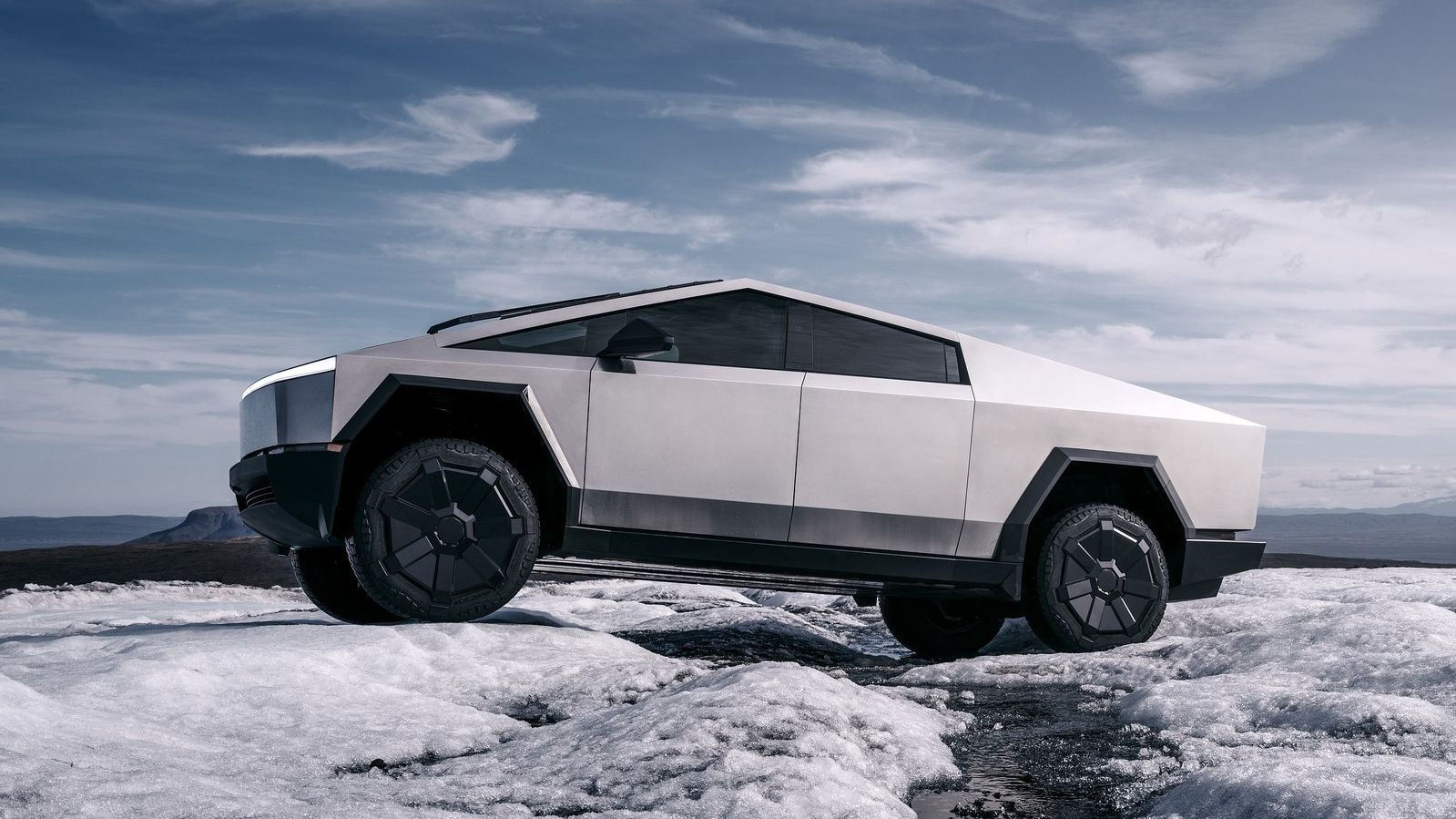

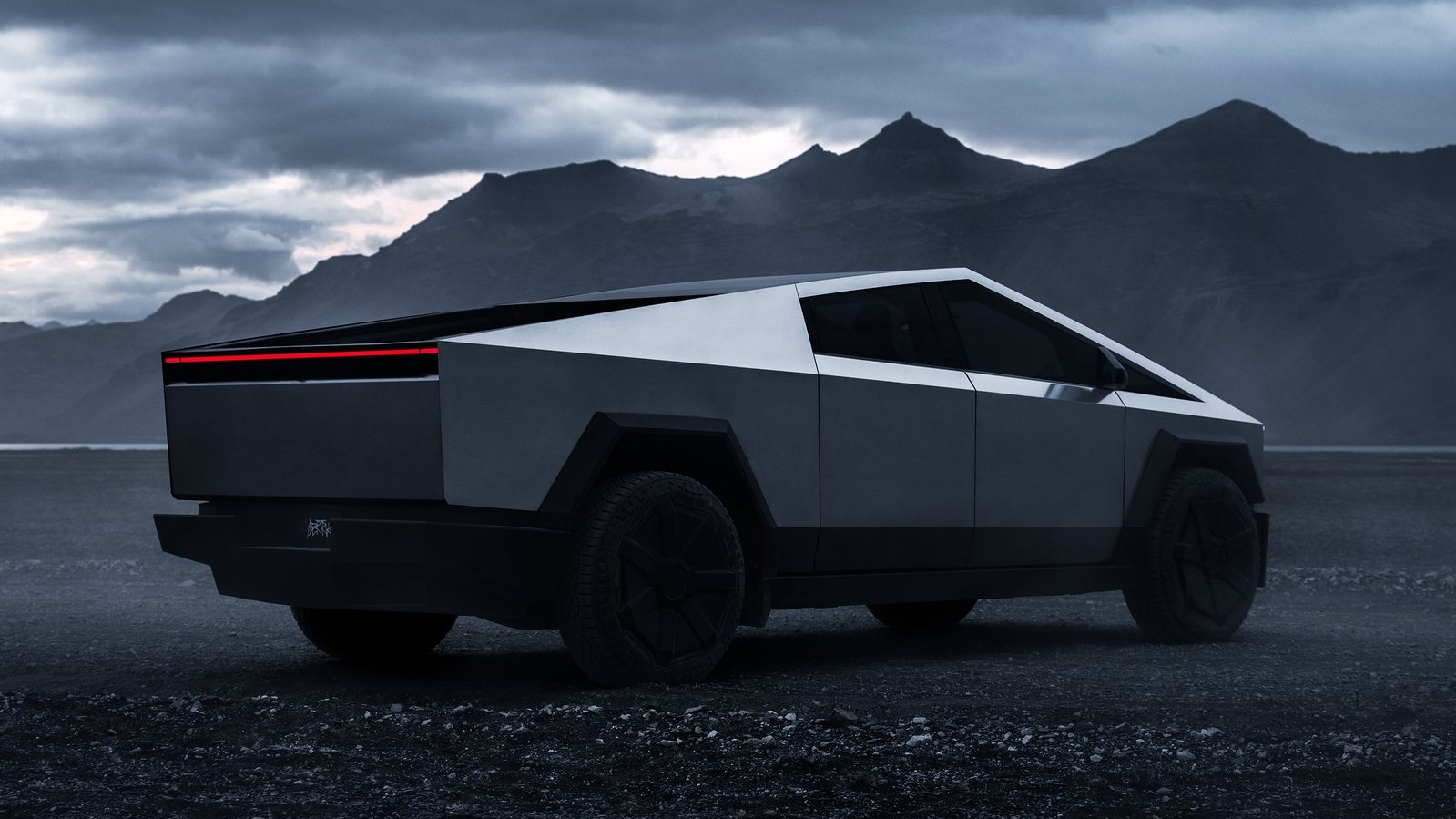


Surprise: Production Tesla Cybertruck Isn’t What Was Promised
Almost exactly four years after the original reveal of Tesla’s hyper-futuristic Cybertruck, the final production version has been made visible, and the first deliveries are in customers’ possession.
In the last four years, several electric pickup trucks have been revealed and gone on sale in huge numbers, including the Ford F-150 Lightning, Rivian R1T, and Hummer EV, with more on the near horizon. Aside from the Hummer to some degree, all of the Cybertruck’s competitors lack one big thing: the wow factor. Yes, the production Cybertruck still looks basically the same as the original concept; just as overhyped, and just as controversial. However, it’s worth noting that the whole truck is overall significantly smaller than the original.
The Cybertruck has retained its stainless steel body, and Elon Musk claims that this “exoskeleton” gives the vehicle more torsional stiffness than a McLaren P1. Musk also touted the “shatter-resistant glass” that became a meme after failing spectacularly at the original launch event. This time around, Tesla designer Franz von Holzhausen threw a baseball at the window to show its durability, with the baseball bouncing off. Tesla claims it can withstand a baseball thrown at 70 mph or “class 4 hail.”
As for the other specs, in typical Tesla fashion, most are slightly underdelivered-upon. As of now, three trim levels are available: Rear-Wheel-Drive, All-Wheel-Drive, and Cyberbeast. Similar to the initial launch, these versions feature a single electric motor on the base, dual motors in the middle, and a top-end tri-motor setup. The two biggest concerns for most buyers will be driving range and price. Towing and payload capacities are slightly lower down on the list, as the Cybertruck is unlikely to be seriously considered by traditional truck people.
As for range, the 2019 debut promised capabilities of 250+ miles, 300+ miles, and 500+ miles for the three different versions of the Cybertruck. According to Tesla’s website, the new estimated number is still 250 for the base model, and 340 for the Dual Motor, but the figure for the Cyberbeast has dropped to just 320 miles. However, a range extender will be available (basically an extra battery that gets stored in the truck bed), which will bring the maximum range to between 440 and 470 miles.
As with just about everything else in the world, the Cybertruck is more expensive than it was going to be four years ago. The base version was supposed to start at $39,990, which would have been a very impressive figure if achieved; the Dual Motor and Tri-Motor were listed for $49,990 and $69,990, respectively. As of today, the RWD variant now costs $60,990, a $20,000 jump, with the AWD and Cyberbeast coming in at $79,990 and $99,990.
The Cybertruck’s bed measures 6 feet long and 4 feet wide, with a payload of 2,500 pounds, down one thousand from before. Maximum towing capacity is listed at 11,000 pounds for the upper two models, with the base pulling 7,500 pounds. This is also down slightly compared to the 14,000 max promised in 2019, but still competitive.
Either way, the Cybertruck will undoubtedly be a hit for Tesla. The Dual Motor and Cyberbeast are already being built, with the RWD scheduled for 2025. As always, your wait times may vary.
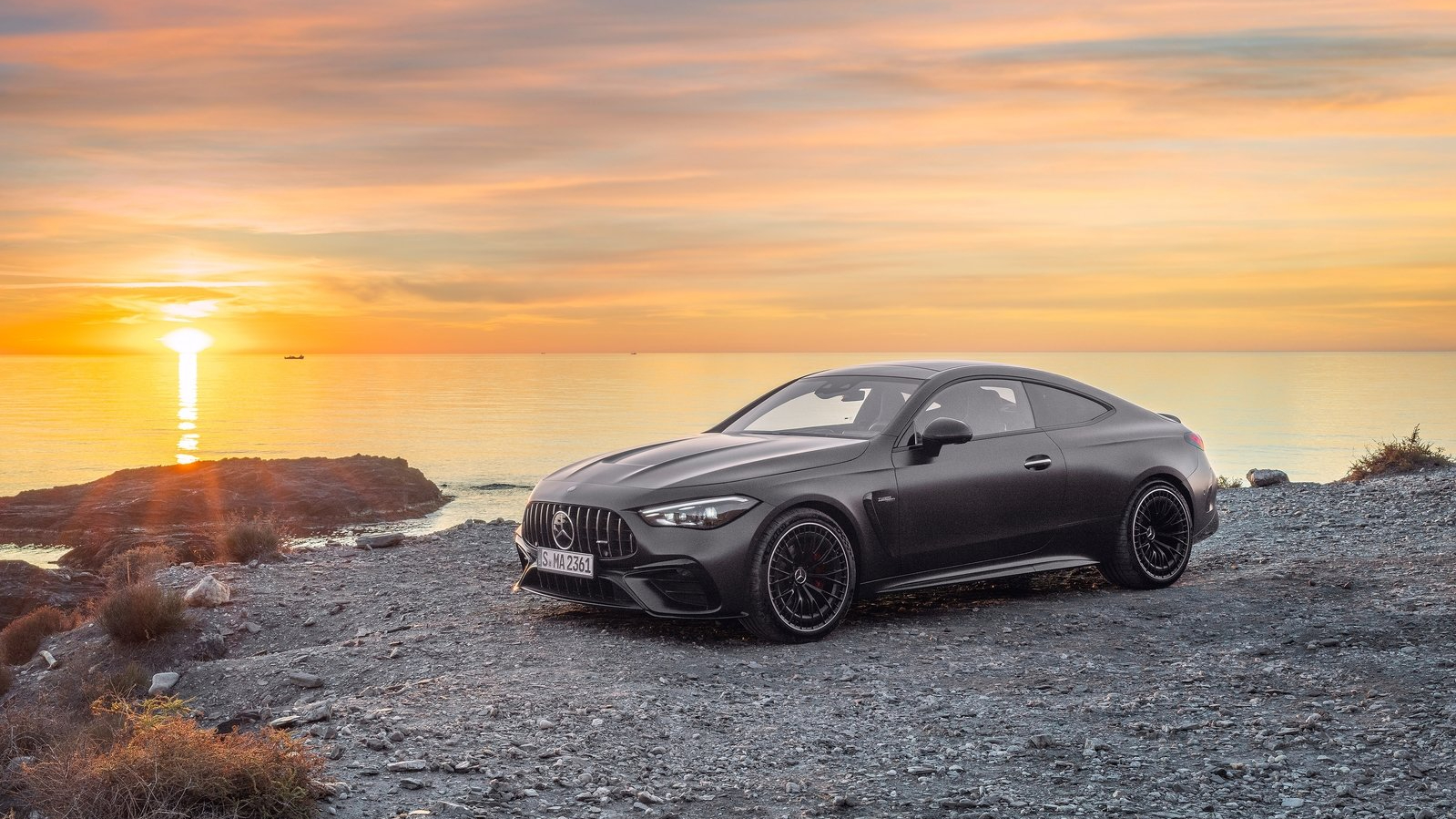
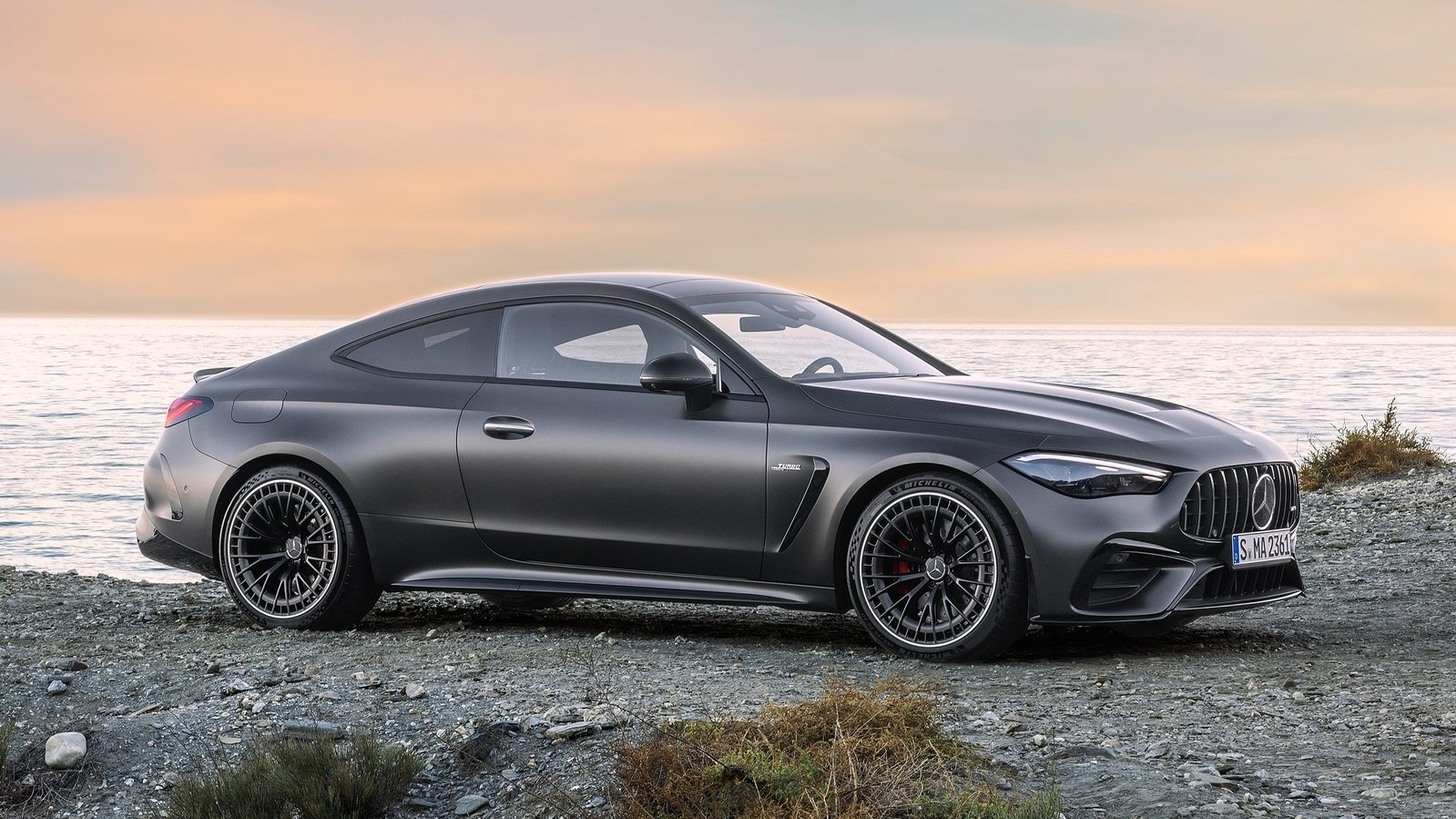
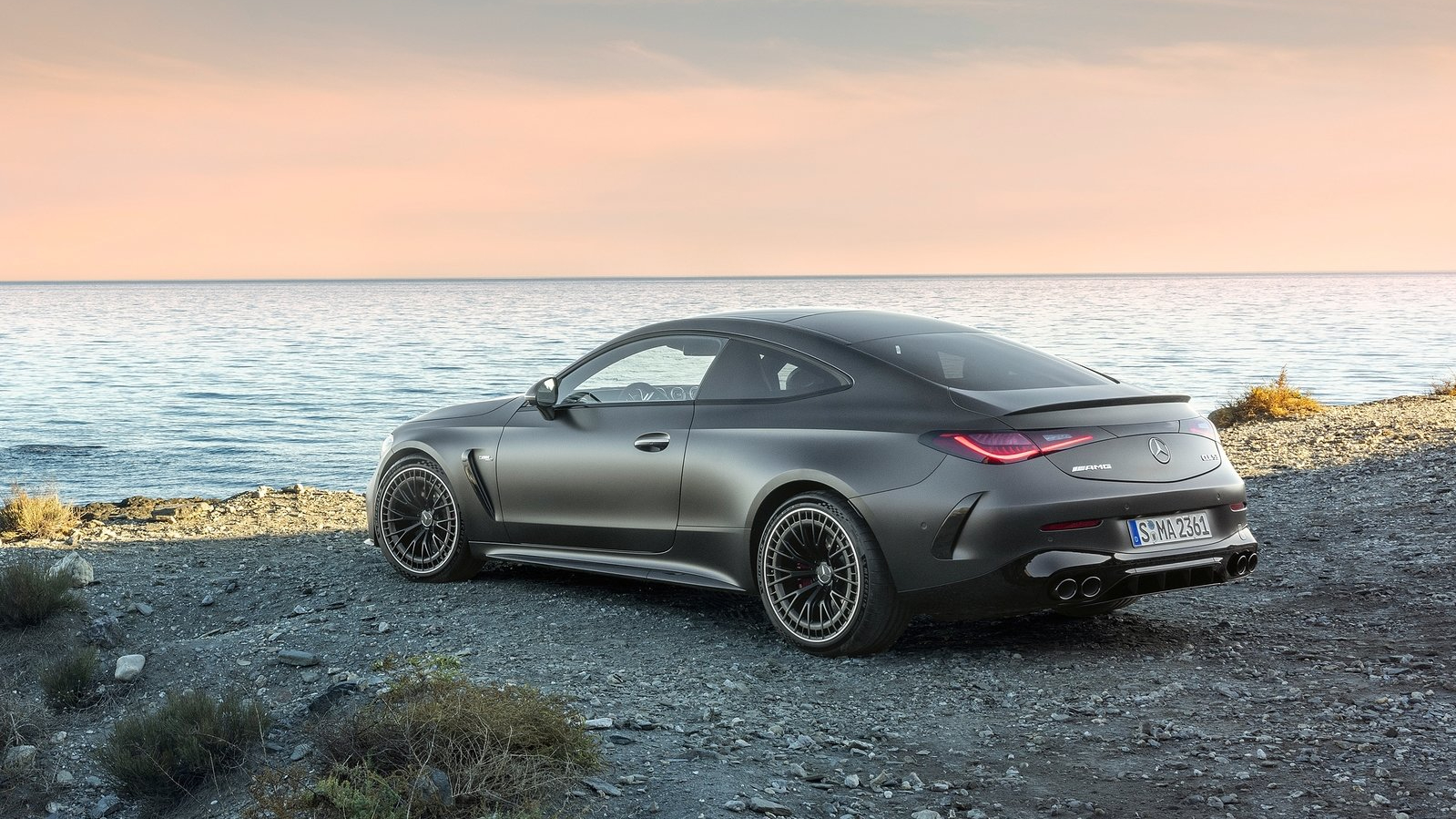

2024 Mercedes-AMG CLE53 Keeps The Inline-Six Alive
What comes in between four and four? At Mercedes-AMG, the answer is apparently six.
Less than a year after announcing the 2024 Mercedes-Benz CLE-Class to replace the two-door versions of the C-Class and E-Class, Mercedes-AMG has revealed an AMG variant called the CLE53. As the names would suggest, the CLE53 coupe will split the difference between the 402-hp C43 and the 677 horsepower C63. However, while both of those models are powered by a turbocharged 2.0-liter inline-four with varying levels of hybrid assist, the CLE retains a six-cylinder engine.
The CLE produces 443 horsepower from its turbocharged 3.0-liter inline-six and uses a 48-volt hybrid system for a power boost at low engine speeds. According to Mercedes, the powertrain is good for a 4.0-second sprint to 60 mph and a top speed of 155 mph. AMG says that it has made significant tweaks to this version of the engine compared with other uses of the inline-six. The combustion chambers are optimized with redesigned inlet and outlet channels and new piston rings, and there’s also a new turbocharger. The turbo works in conjunction with an electric auxiliary compressor that can increase boost pressure to 22 psi and provide an overboost function for up to 12 seconds at a time.
Power is sent through a nine-speed automatic transmission to Mercedes’s rear-biased 4MATIC all-wheel-drive system, which decouples the front axle when it isn’t required. The CLE53 also featues rear-wheel steering standard, much like the new AMG GT coupe.
Outside, the 53 differentiates itself from the regular CLE with a more aggressive hood, front bumper, and grille. The front fenders are widened by 2.3 inches while the rears are a full 3.0 inches wider than those on the standard coupe. 19-inch wheels are standard, with 20-inch alloys optional. An optional AMG Performance Studio package adds additional trim pieces to the front and rear fascias.
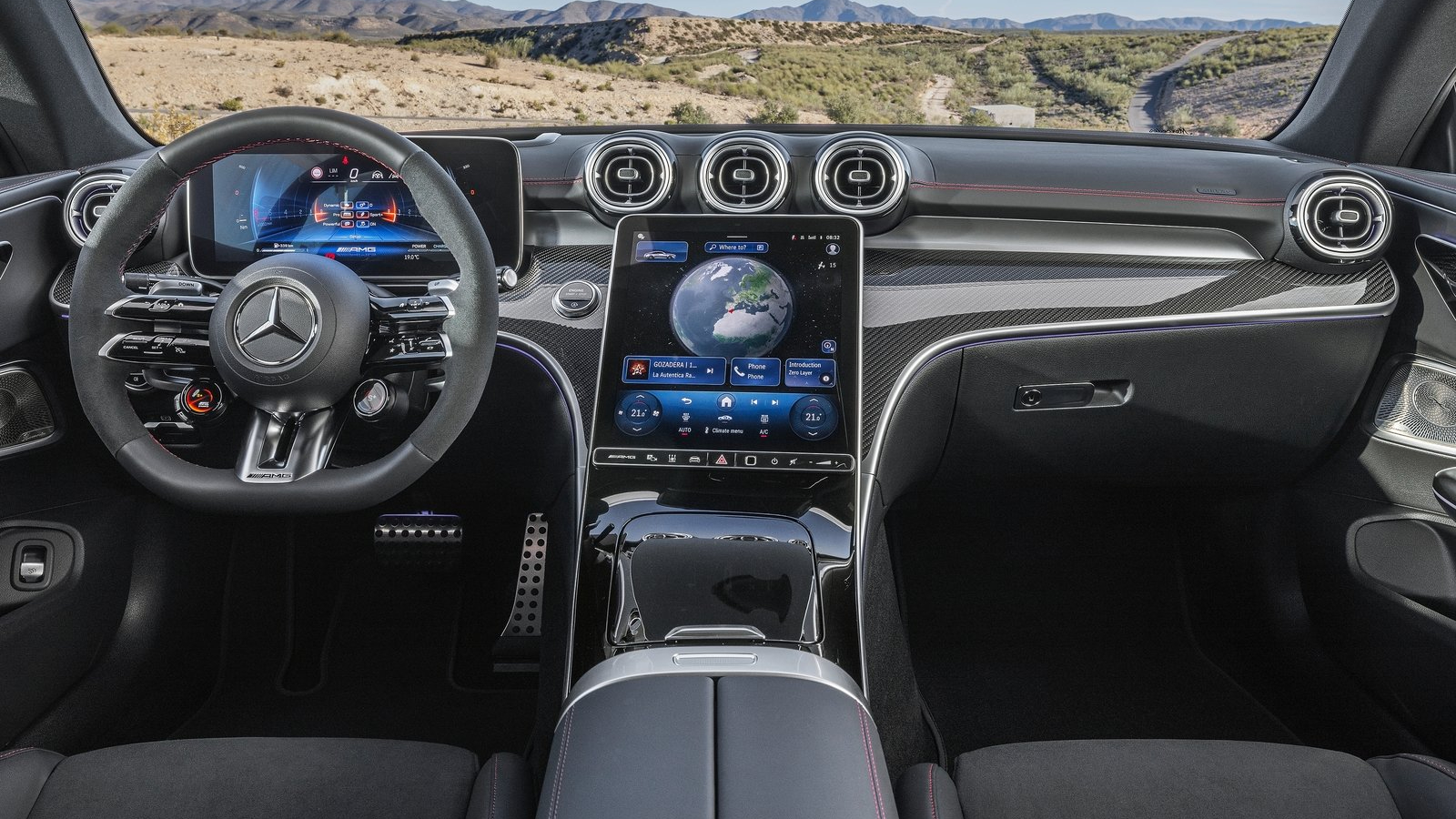
The interior is typical Mercedes fare at the moment, with a 12.3-inch digital gauge cluster and vertically-oriented 11.9-inch infotainment display. The seats are covered in MB-Tex and microfiber upholstery as standard, with the option to upgrade to Nappa leather with embossed AMG crests in the front headrests. Further upgraded AMG Performance Seats swap the standard buckets for ones with more pronounced bolsters.
Pricing for the CLE53 is expected to fall somewhere between the C43 and C63, likely around $85,000. An on-sale date has not yet been announced.
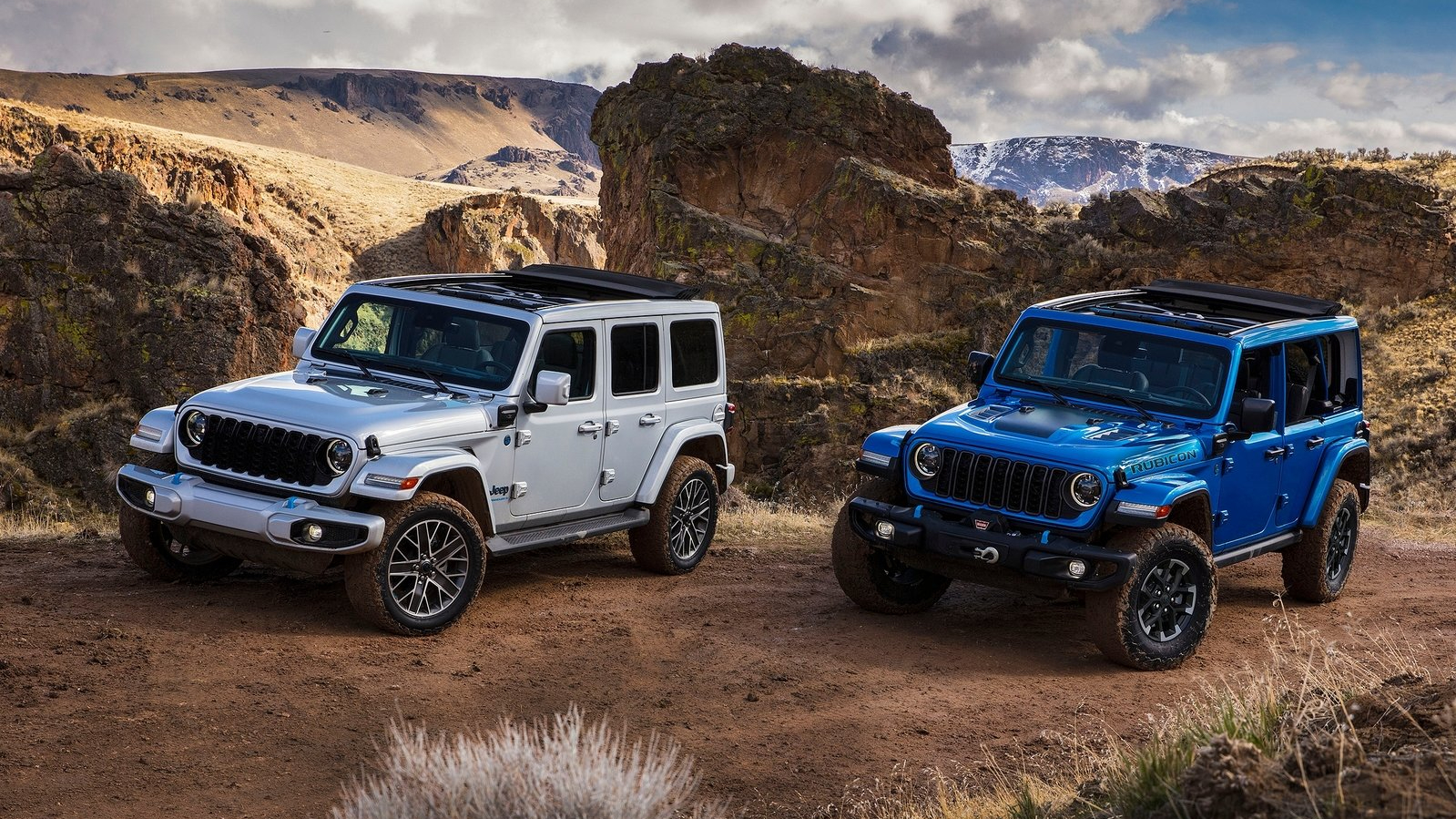
Jeep Issues Recall Over Wrangler 4xe Models Catching Fire
Following Hyundai and Kia, Jeep is now facing a recall involving fires of its Wrangler 4xe SUV.
After an internal investigation that resulted from a routine review of customer data, Jeep’s parent company Stellantis announced it had discovered eight vehicle fires. The company disclosed that six of the eight vehicle fires happened while the plug-in-hybrid Wranglers were connected to chargers. It also said that all of the vehicles were parked and turned off when the fires occurred. Stellantis says it’s not aware of any accidents or injuries that resulted from the fires.
The recall only applies to certain models of the plug-in hybrid off-roader which feature a 14.-kWh battery under the rear seats. Stellantis estimates that only about 1 percent of the total built vehicles are affected, and the fix will range from a software update to an entire replacement of the battery pack.
In the US, 32,125 Wranglers are involved in the recall, in addition to 3,856 in Canada and 9,249 outside of North America. The build range of affected vehicles is from September 18, 2020 through March 22, 2023; the battery cells that are suspect were produced between January 21, 2021 and October 2, 2021.
While the remedy for the recall is reportedly already available, owners and dealers will not be formally notified until next month. For now, Jeep is recommending all 4xe owners to park outside and avoid charging their vehicles.
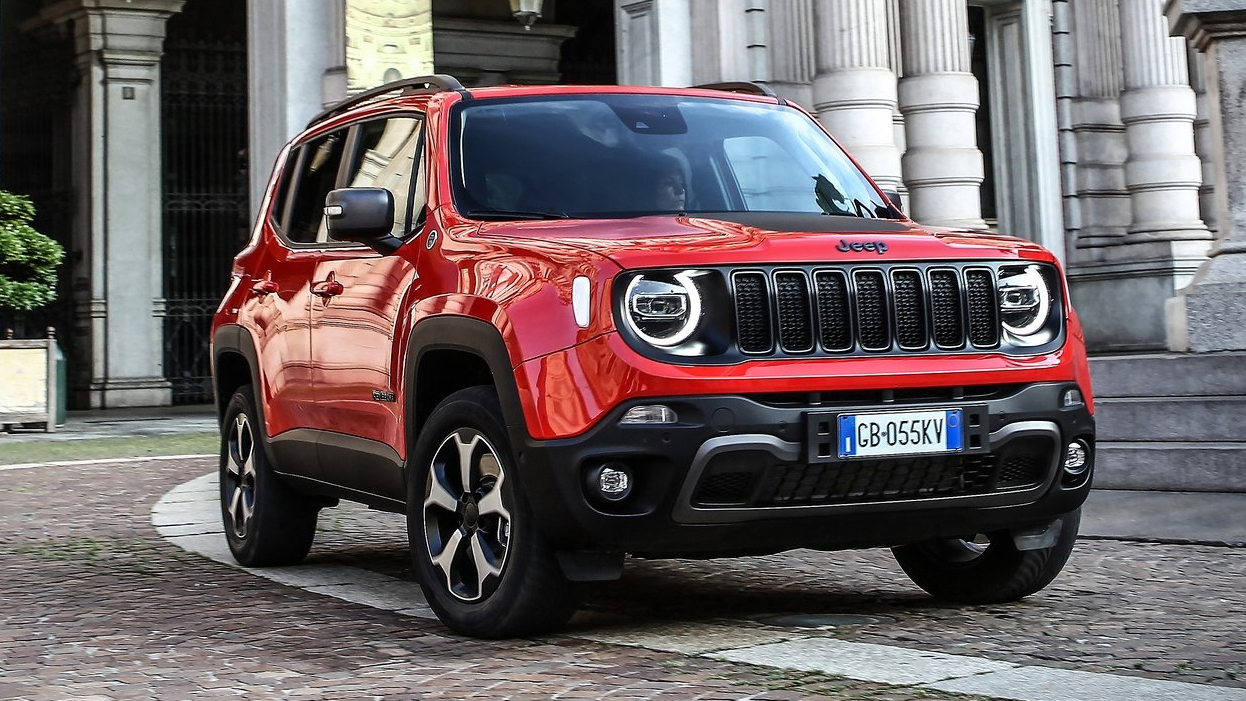
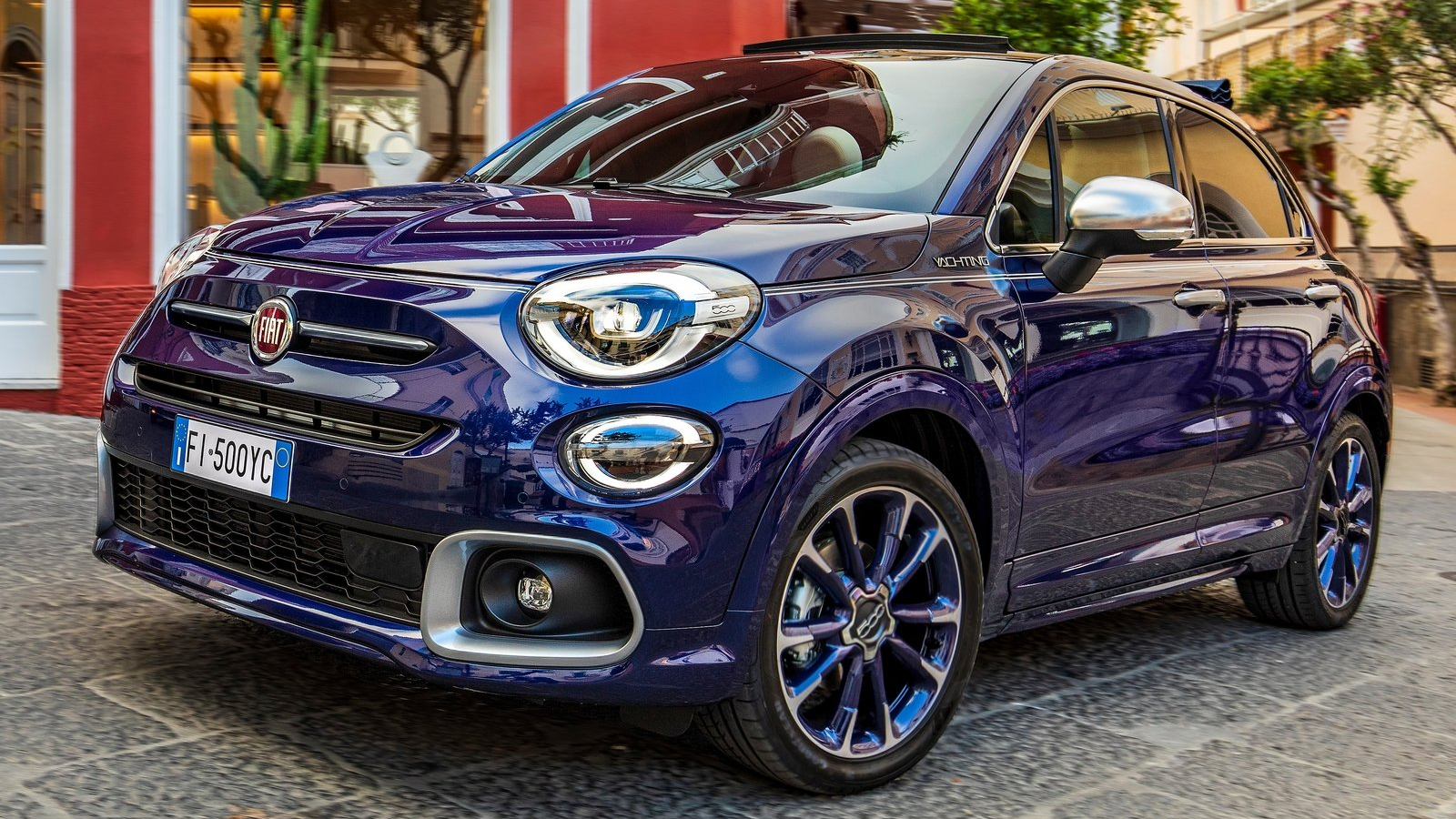
Jeep Renegade, Fiat 500X Dropped In US Market
On the other side of the Jeep lineup, sales of the subcompact Renegade have also been on fire… to the point where it’s being unceremoniously discontinued after the 2023 model year, along with its Fiat platform mate.
First arriving for the 2015 model year in the US, the Renegade has received little in the way of updates over its nine-year production run. Sales have slowed significantly recently, with just over 15,500 units being sold so far this year (a drop of 35 percent). The loss of the Renegade makes the similarly-sized but less boxy Compass the new entry point for the Jeep brand. However, with the 2023 Renegade starting at $29,445, it’s only a $550 jump to the 2024 Compass’ base price.
The Fiat 500X was introduced for the 2016 model year, and has largely kept the Fiat brand alive in the American market. However, these days, it only sells in the hundreds — just 757 units have been moved in the first three quarters of 2023. Starting at $31,840, the only real appeal of the 500X was an available canvas top that was first seen on the Yacht Club Capri special edition (pictured above).
Stellantis does say that there will likely be plenty of 2023 Renegade and 500X models left in dealership inventory for a little while. So if you’ve been looking for a steep discount on an Italian-American small crossover, now’s your time to buy.

Hyundai, Amazon Announce Partnership For Fully-Online Vehicle Sales
While Amazon is certainly not the first online retailer to sell cars, it is by far the largest online retailer in the world, and the first to partner with a major global automaker to do so.
Starting in late 2024, buyers will be able to visit the Hyundai Evolve Showroom on Amazon.com and shop for any Hyundai model. Customers will be able to narrow their search by available vehicles in their area with specific preferences, including model, trim, color, and features. They can then choose their preferred car and check out online with their chosen payment and financing options, all done directly in Amazon’s system. Once the sale has been completed, pickup or delivery will be arranged through existing Hyundai dealerships.
A spokesperson for Hyundai told Car and Driver that dealers will be able to list their entire inventory on Amazon once the feature goes live. Dealers will also control the price that appears on Amazon, and transactions will happen at the list price. Similar to other online-buying experiences like Tesla or Rivian, that means there will be no haggling. However, on the other hand, there will be variation in the list prices.
Going forward, Hyundai has also selected Amazon Web Services as its preferred cloud provider. Per Amazon’s press release, “as part of a new multi-year agreement, Hyundai will become a more data-driven organization with a cloud-first technology strategy, migrating its current on-premises applications—which support everything across research, product engineering, and customer engagement—to AWS.” Starting in 2025, all new Hyundai vehicles will also have Amazon Alexa built-in.
“Hyundai is a very innovative company that shares Amazon’s passion for trying to make customers’ lives better and easier every day,” said Amazon CEO Andy Jassy. “Our broad, strategic partnership should do just that, from changing the ease with which customers can buy vehicles online to making it simple to use Alexa in Hyundai vehicles for entertainment, shopping, smart home adjustments, and calendar checks to enabling Hyundai to transform their customer experiences and business operations by moving to AWS. We look forward to inventing together for many years.”
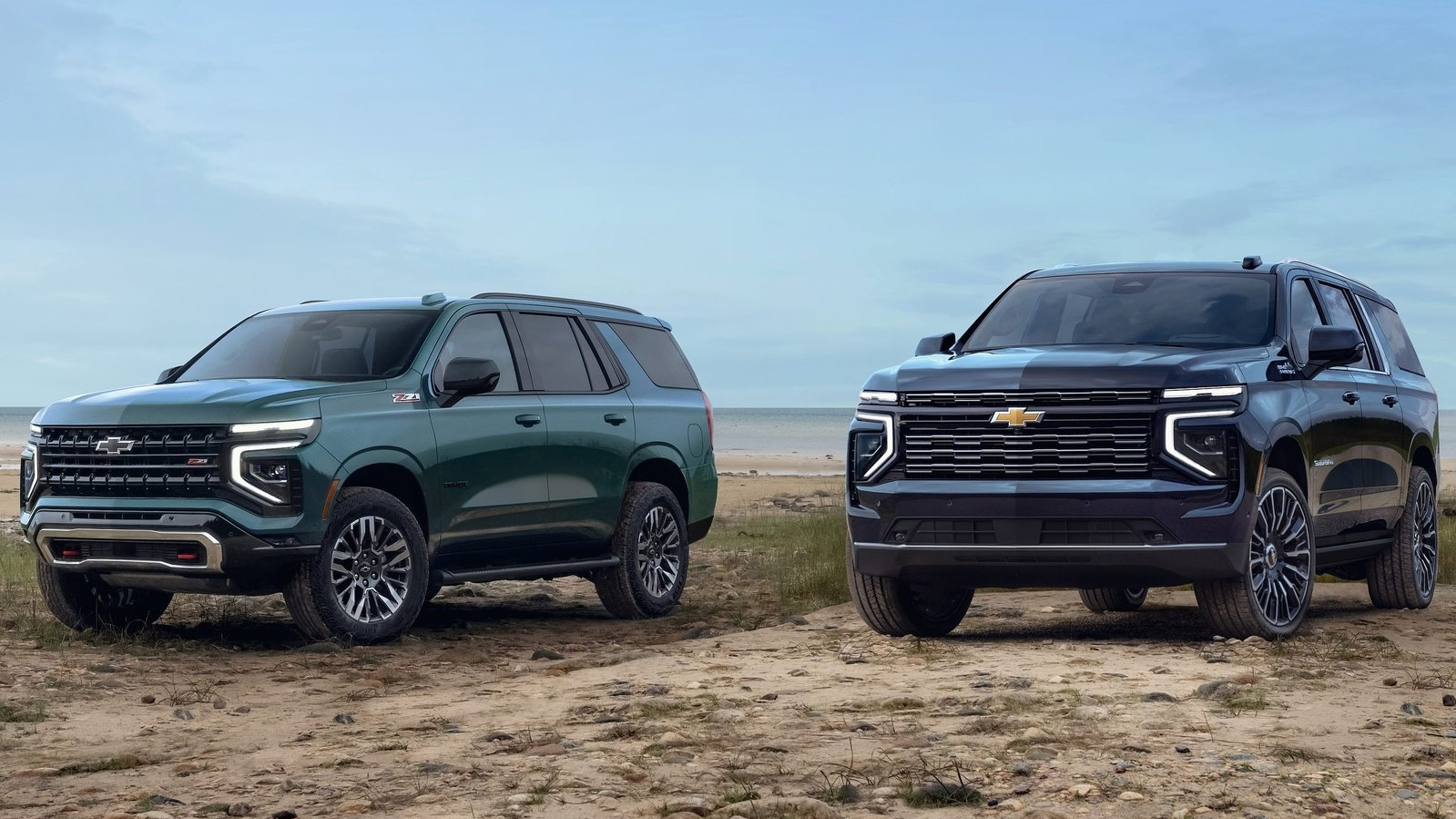


2025 Chevrolet Tahoe, Suburban Feature Updated Suspensions And Interiors
Despite still feeling fairly recent, the current-generation Chevrolet Tahoe and Suburban actually went on sale in 2021, along with their GMC Yukon and Cadillac Escalade siblings. As such, the Chevrolet versions have been given a moderate refresh for 2025, and the others are likely to follow soon.
On the outside, the tweaks are fairly minor. Up front, the grille and headlight shapes are slightly changed, with new full-LED taillights out back. New 24-inch wheel designs are available on the RST and High Country trims, and two new paint colors as well: Cypress Grey and Lakeshore Blue Metallic.
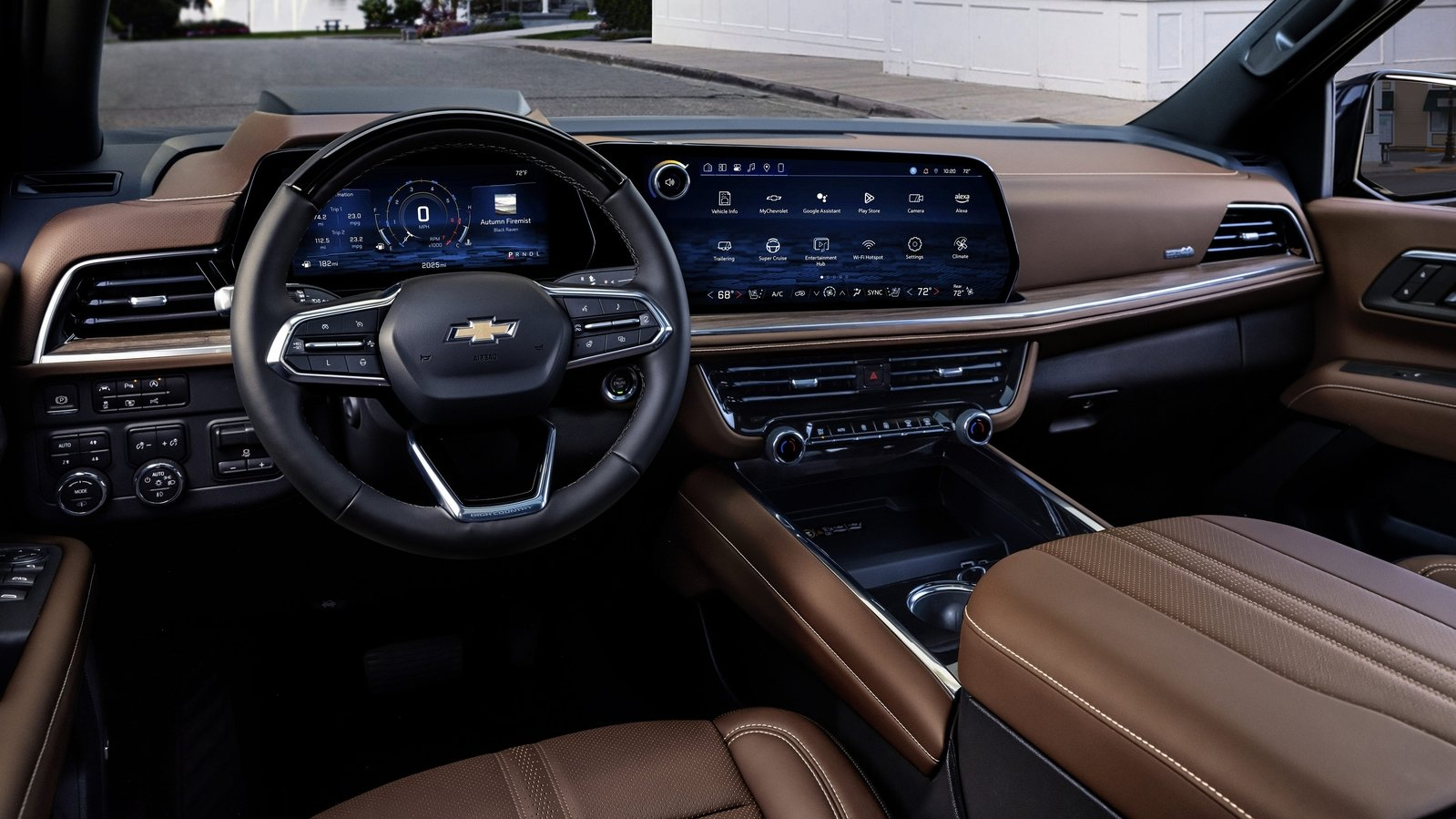
Updates inside and under the skin are more prominent. The cabin layouts have been brought more in line with the 2024 Traverse and Blazer EV, as well as the Silverado truck lineup with which the Tahoe and Suburban share basic underpinnings. An 11-inch digital gauge cluster sits alongside a 17.7-inch infotainment screen; the two share a curved bezel and are standard across all trim levels. GM’s Super Cruise hands-off highway driving assistant was already available on the Premier and High Country models, but will now be offered on the LT and RST as well.
Powertrain options remain the same as 2024, with the 5.3-liter and 6.2-liter V8 engines being the main options, but the 3.0-liter Duramax turbodiesel has been upgraded to 305 horsepower and 495 lb-ft of torque. The six-cylinder diesel is available on all six trims, including the Z71 for the first time. Chevrolet says it has updated the multilink independent rear suspension to be more refined, and extra steering calibrations should make the big SUVs feel smaller to maneuver and easier to handle. The optional Magnetic Ride Control has also been updated to remove some of the tosses and bumps, while Air Ride Adaptive Suspension is now available on the Suburban RST.
Pricing for either SUV has not yet been announced, but both will go on sale in late 2024.
 Also Andrew
Leave a comment