
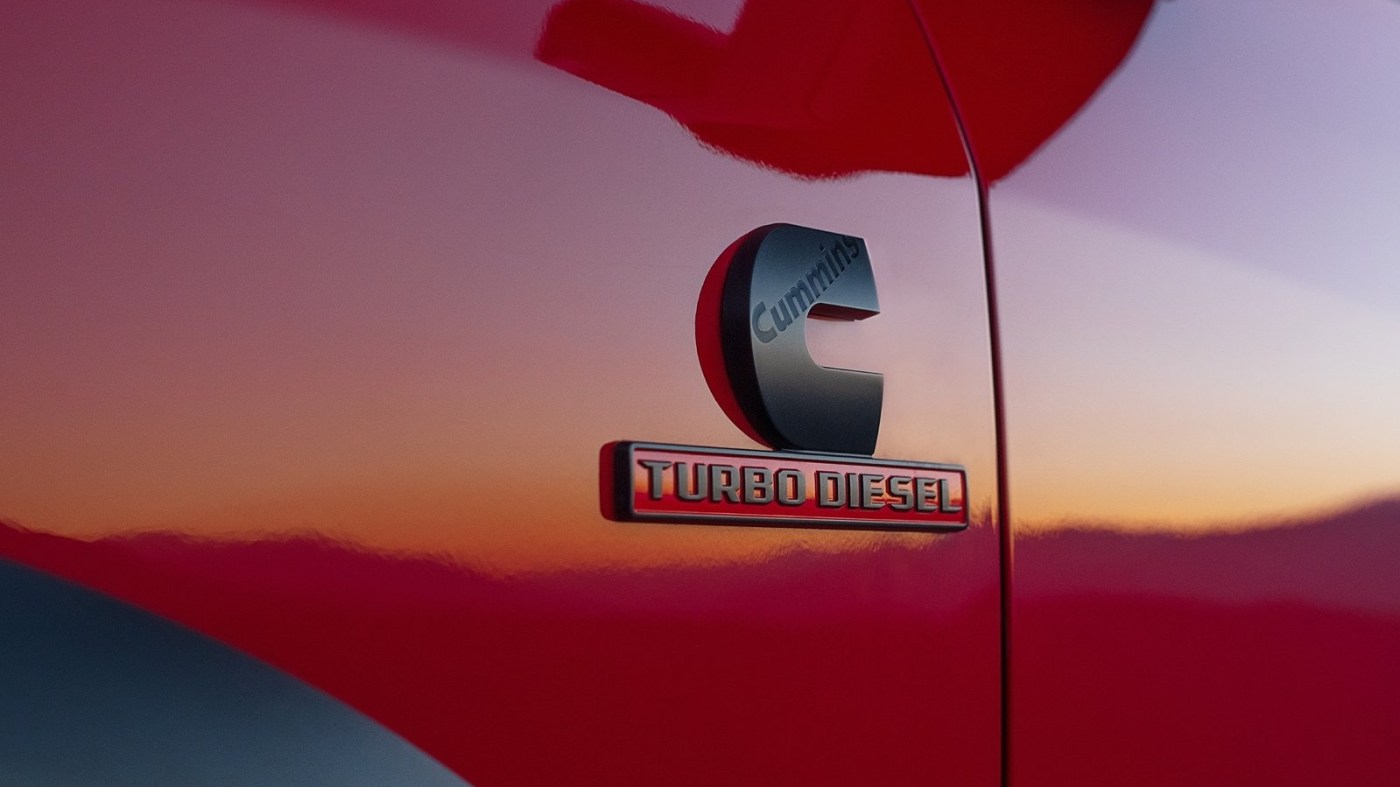
Cummins Caught Cheating Diesel Emissions In 1 Million Ram Trucks
In 2015, Volkswagen made automotive history with Dieselgate, a scandal that came about as a result of cheating federal emissions tests on 11 million vehicles worldwide. Almost ten years later, U.S. engine manufacturer Cummins is now facing a hefty fine for similar alleged wrongdoing.
This week, the diesel engine maker agreed to pay a $1.675 billion penalty for allegedly installing “defeat devices” on roughly 1 million Ram pickup trucks. According to the United States Department of Justice, it’s the largest civil fine ever levied under the Clean Air Act. The trucks in question are 630,000 model year 2013-2019 (“old bodystyle”) Ram 2500 and 3500 HDs, as well as 330,000 2019-2023 (“new bodystyle”) HDs.
These so-called defeat devices include any parts or software designed to bypass or modify emissions controls such as pollution sensors or onboard computers. They allow vehicles to recognize when an emissions inspection is being performed and reduce output to pass, reverting to a dirtier state afterwards.
“Violations of our environmental laws have a tangible impact. They inflict real harm on people in communities across the country,” Attorney General Merrick Garland said in a statement. “This historic agreement should make clear that the Justice Department will be aggressive in its efforts to hold accountable those who seek to profit at the expense of people’s health and safety.”
“The types of devices we allege that Cummins installed in its engines to cheat federal environmental laws have a significant and harmful impact on people’s health and safety,” Garland continued, adding that the devices would have produced thousands of tons of excess emissions of nitrogen oxides, which are toxic to humans when breathed in.
In a statement, Cummins said that it had “seen no evidence that anyone acted in bad faith and does not admit wrongdoing.” Cummins has also agreed to settle separately with California’s Air Resources Board.
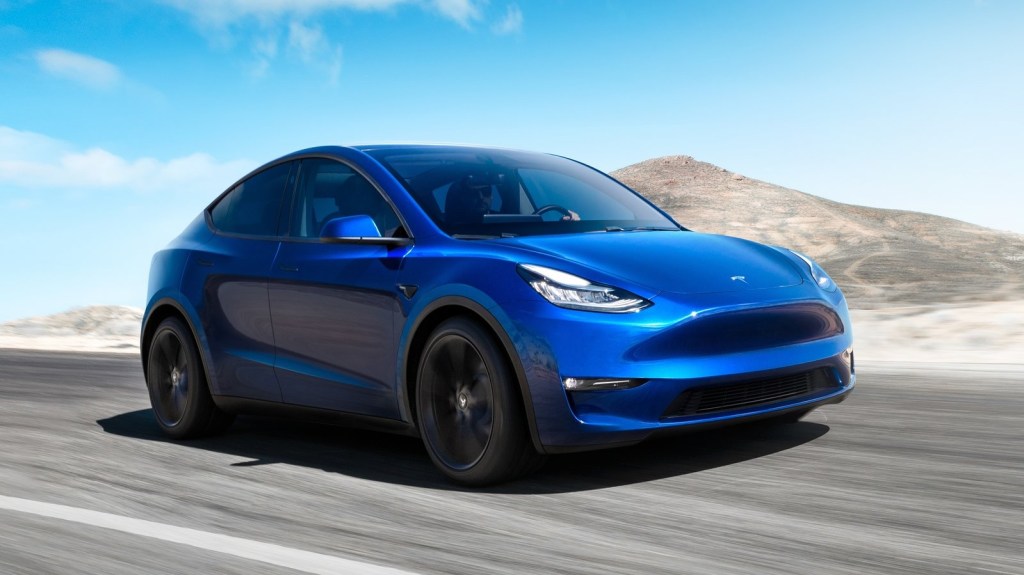
Report: Tesla Commonly Accusing Drivers For Known Parts Defects
According to an investigative report from Reuters this week, Tesla has a long history of blaming owners for parts failures that were definitely not their fault and were internally regarded as defective.
Reuters interviewed both customers and former Tesla employees to determine that the failures date back at least seven years, span the company’s entire lineup, and have occurred in multiple countries. One most notable example is the experience of Shreyansh Jain, who took delivery of a 2023 Model Y in March. One day later, with the car’s odometer reading just 115 miles, the front right suspension reportedly collapsed during a low-speed turn into his neighborhood.
Tesla told Jain that the suspension collapse was caused by the lower control arm separating itself from the steering knuckle. As he had owned the car less than 24 hours when the crash occurred, Jain expected Tesla to foot the bill, which included nearly 40 hours of labor required to rebuild the suspension and replace the steering column, and totaled over $14,000. Instead, the company blamed the incident on “prior suspension damage” — on a two-day-old car with just over 100 miles on it.
Individual suspension or steering issues with Teslas have been discussed online and in news accounts for years. But the documents reviewed by Reuters, which have not been previously reported, offer a significantly more comprehensive view into the scope of the problems and how Tesla handled what its engineers have internally called part “flaws” and “failures.” The records and interviews reveal that the automaker has long known far more about the frequency and extent of the defects than it has disclosed to consumers and safety regulators.
Dated between 2016 and 2022, the documents include “repair reports from Tesla service centers globally; analyses and data reviews by engineers on parts with high failure rates; and memos sent to technicians globally, instructing them to tell consumers that broken parts on their cars were not faulty.”
After four years of documenting and resolving roughly 400 similar suspension and steering failures in China, Tesla finally issued a recall — but only in China. Despite evidence showing tons of similar failures elsewhere, Tesla never issued a recall for the defect in the United States or Europe. Instead, the company told U.S. regulators the failures were caused by “driver abuse” and quietly dealt with the issues on a case-by-case basis.
In addition to the aforementioned issues, many owners have also been experiencing power steering malfunctions. In July of this year, the NHTSA began investigating power steering outages in 2023 Model 3 and Model Y vehicles. Between late 2017 and early 2022, more than 400 Model 3 and Model Y owners reported power-steering failures to Tesla, including Jamie Minshall from Portland, Oregon.
Less than two months after purchasing his Model Y, Minshall felt it suddenly jerk to the right while driving, and the feeling was accompanied by an error message indicating “steering assist reduced.” “Fortunately, I was able to hit the brakes quick enough and not go into the ditch, but, yeah, it was pretty terrifying,” said Minshall, who has raced cars as a hobby. “It tried to kill me.”
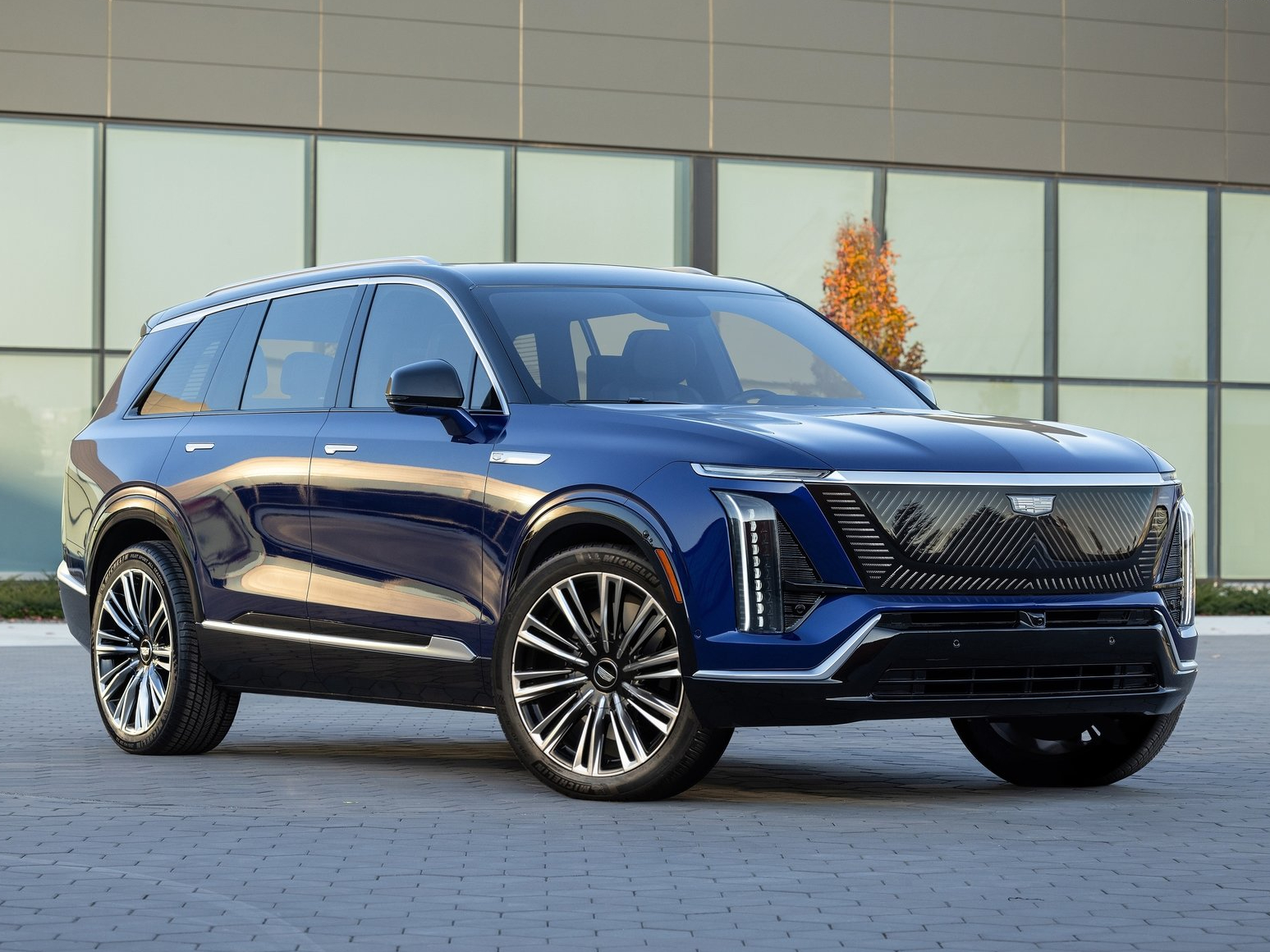
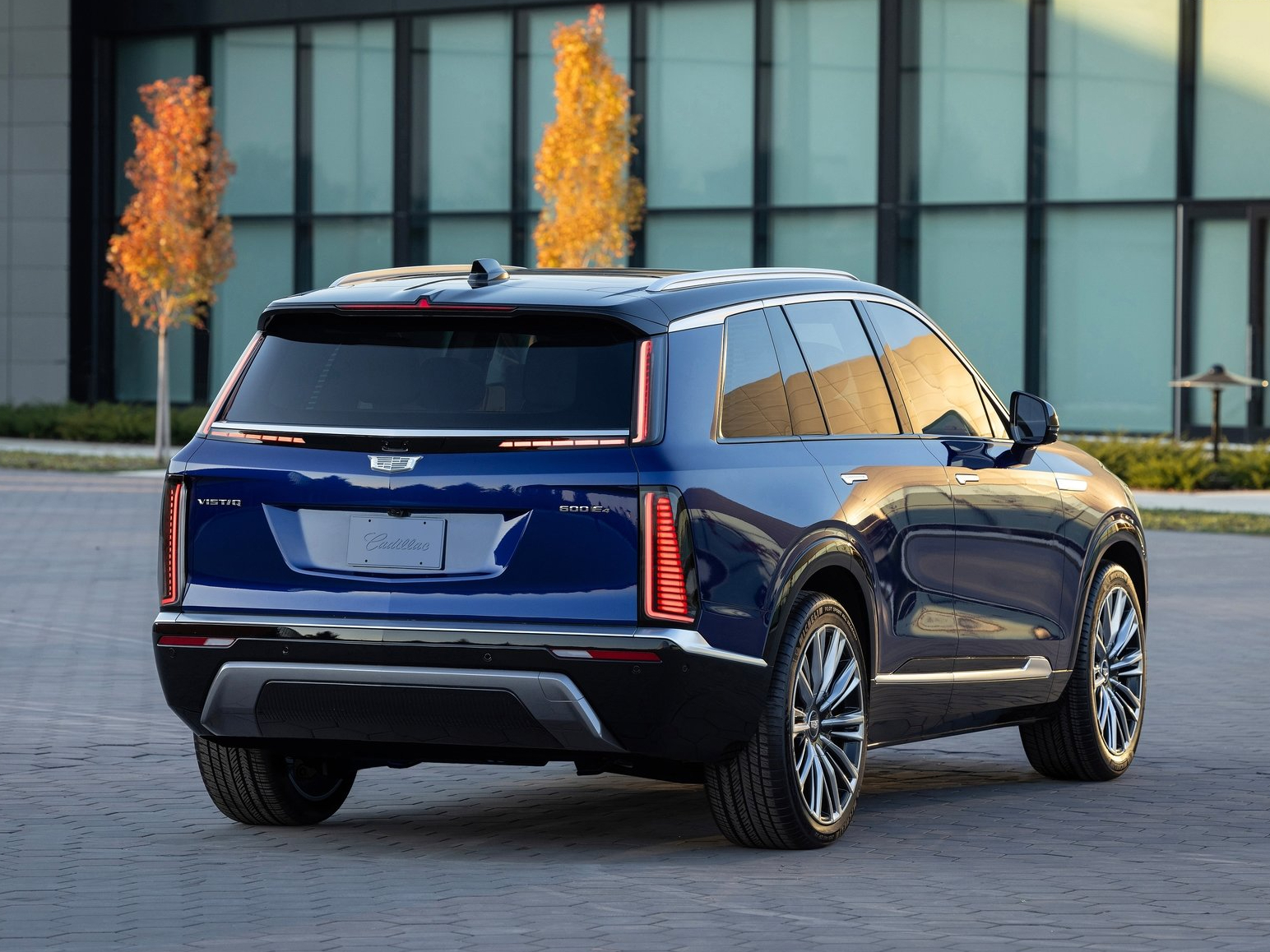
Cadillac’s Electric SUV Lineup Grows With 2026 Vistiq
Following the Lyriq, Optiq, and Escalade IQ, Cadillac is expanding its lineup of electric SUVs with another model that sounds like a prescription: the Vistiq. Slotting somewhere in the middle, the Vistiq is expected to be roughly the same size as the gas-powered XT6.
Not many details have been released as of yet, and only two images have been shown. Luckily, you won’t need your vision prescription to look at the outside of it; it’s a sleek, handsome SUV with decidedly rear-wheel-drive proportions. Out back, the tailgate is adorned with a “600E4” badge, which suggests a dual-motor drivetrain setup. The all-wheel-drive configuration will likely be shared with the 500-horsepower Lyriq. Power appears to be put down via set of 22-inch wheels wrapped in 295-width Michelin tires.
Inside, three rows of seats are expected. The tall greenhouse should provide plentiful headroom, and the interior design will likely share many cues with the other IQ models, including large curved screens, tons of leather, and a mostly-glass roof.
Cadillac says more details about the 2026 Vistiq will be announced sometime next year.
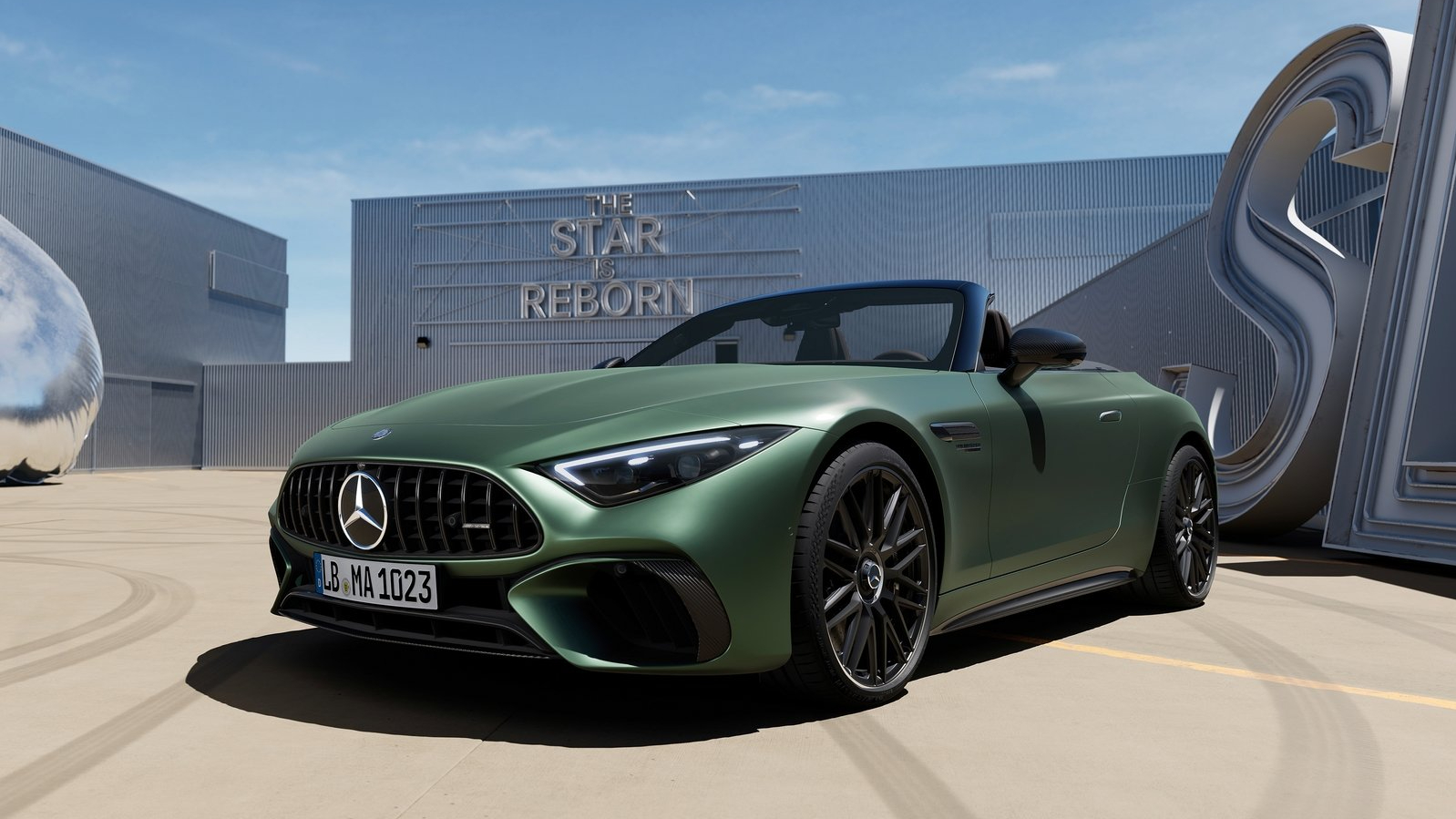

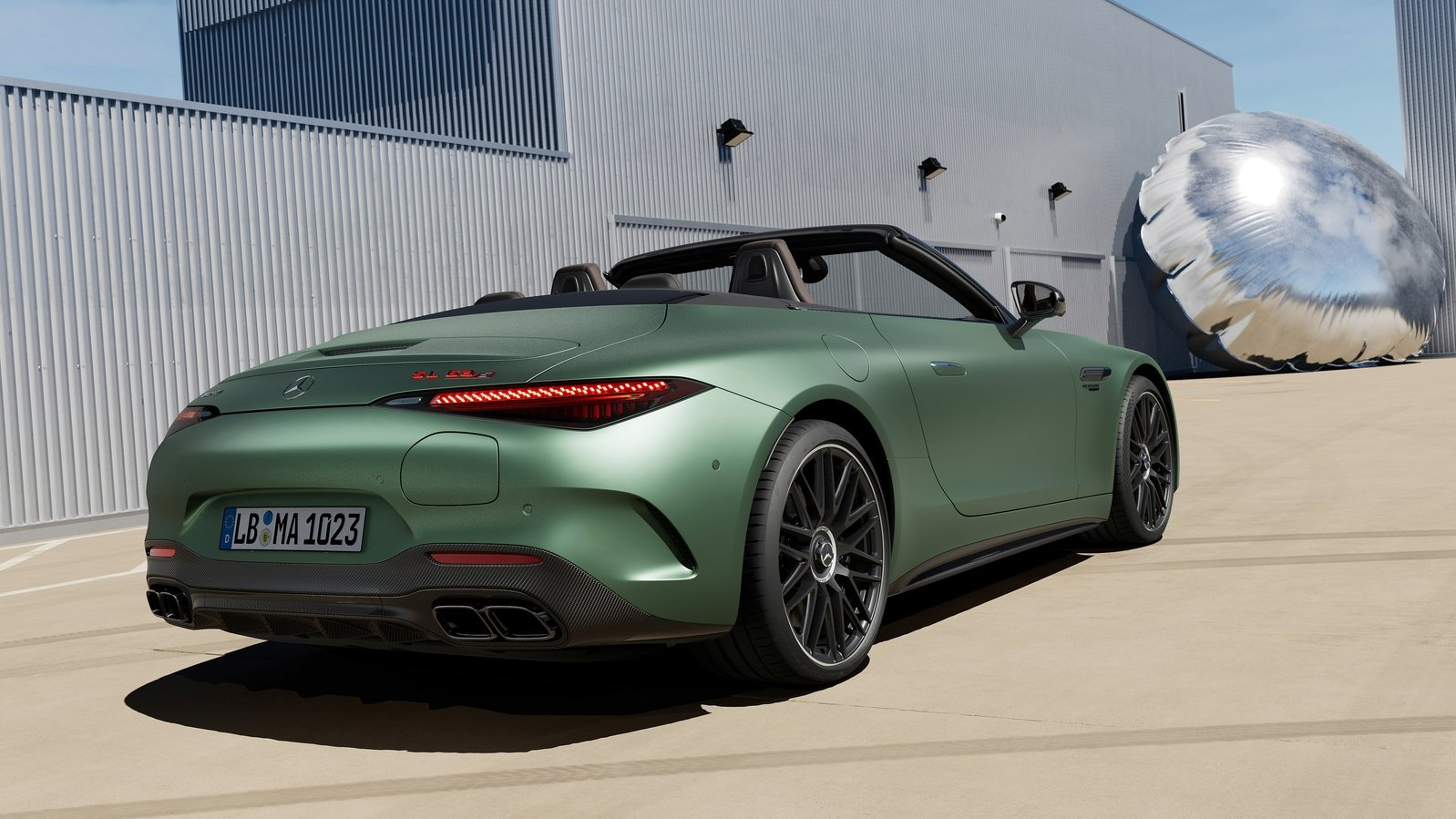


Mercedes-AMG SL63 S E Performance Boasts 805 HP, 1047 Torque
Following the C63 S E Performance and S63 E Performance, Mercedes-AMG has revealed the latest model in its high-power hybrid performance car lineup: the 2024 SL63 S E Performance.
As is typical for Mercedes these days, both inside and out you’d be hard-pressed to tell the difference from the regular SL63. Of course, there’s a slew of “E Performance” badging, and the rear bumper features a rather unattractively-integrated charge port cover.
The E Performance shares its 4.0-liter twin-turbo V8 with the lesser SL63, and output is marginally increased to 603 horsepower and 627 pound-feet of torque. Thanks to the inclusion of the electric motor on the rear axle, however, total output comes in at 805 ponies and 1,047 lb-ft of twist. That’s slightly below the 1,082 and 1,055 lb-ft figures of the GT63 and S63, respectively, but still more than enough power. For comparison, the V12-powered SL65 Black Series from fifteen years ago only produced 661 horsepower and 738 pound-feet.
The permanently excited synchronous electric motor is mated to a two-speed transmission and a limited-slip rear differential, and fed by a 6.1-kWh battery sitting above the rear axle, which Mercedes says is inspired by the Mercedes-AMG Formula 1 team. Instead of maximizing driving range, it focuses on power delivery. Charging occurs via a 3.7-kW onboard AC charger, and while an electric driving range figure has yet to be quoted, we wouldn’t expect more than 15 miles maximum.
Four different levels of regenerative braking are selectable via a steering-wheel button, with the most aggressive mode providing one-pedal driving like most full electric cars. The electric motor’s power can also be sent to the front axle if more traction is needed when wheel slip is detected at the rear. Active roll stabilization and rear-wheel steering are both standard affair, as well as a retractable rear spoiler and carbon-ceramic brakes.
Pricing has not yet been released for the SL63 S E Performance, but the given the non-hybrid SL63 starts at $188,150, the E Performance will likely crest the $200K mark. Sales will start at some point next year — giving Mercedes-AMG plenty of time to pick the next letter to use in the name.
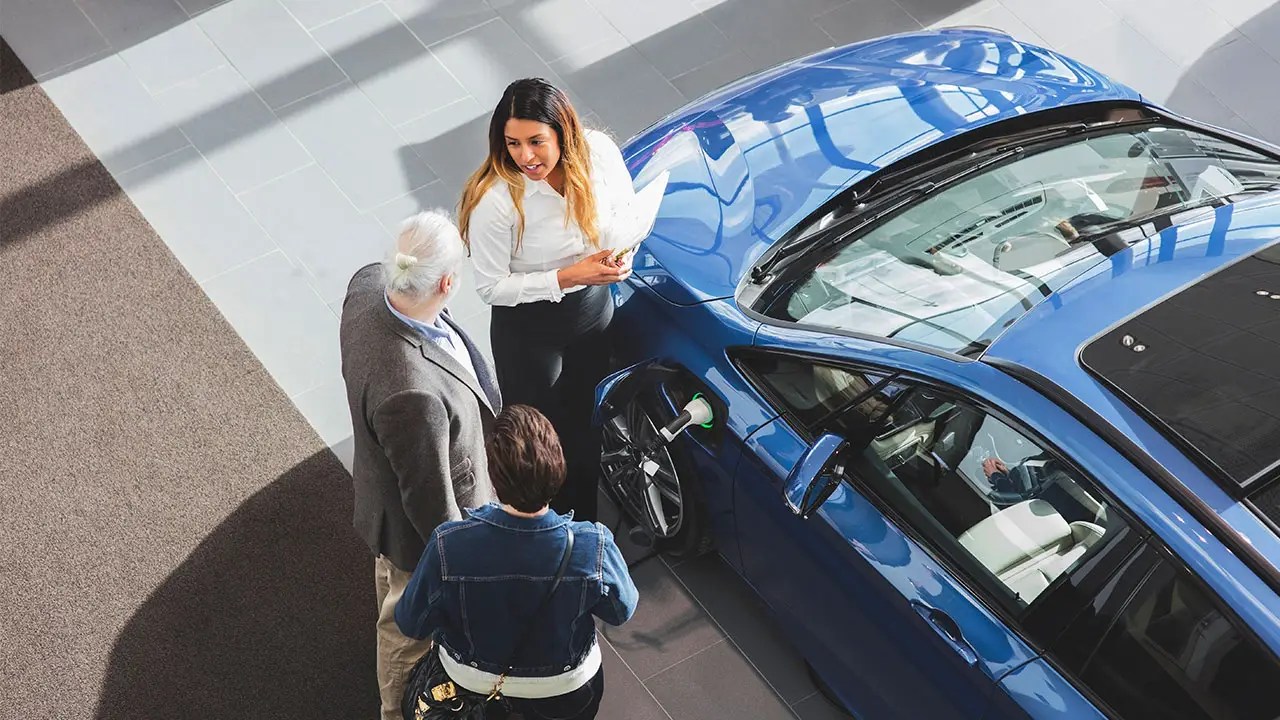
FTC’s New CARS Rule Targets Bogus Dealer Add-ons, Hidden Fees
The US Federal Trade Commission (FTC) has announced new rules meant to prevent sellers from perpetrating scams against car shoppers. The new CARS Rule, which stands for Combating Auto Retail Scams, takes on two items buyers have long complained about: bait-and-switch tactics and bogus fees. Anyone who has ever been surprised by a “required” $500 protection package add-on knows how frustrating this can be.
Specifically, the CARS Rule includes four main parts: (1) Dealers cannot misrepresent a vehicle’s price; (2) Dealers must “clearly disclose” the actual price someone can pay for the car; (3) Dealers cannot charge consumers for add-ons that don’t provide a benefit; and (4) Dealers must get a buyer’s “express, informed consent before charging them for anything.”
What became the CARS Rule was originally proposed in June of 2022, though it wasn’t made official until this past summer and unfortunately won’t go into effect until July 30, 2024. Once it does go into effect, though, the FTC said it should save car shoppers in the U.S. more than $3.4 billion each year, along with an estimated 72 million hours spent shopping for vehicles.
A website has been set up by the FTC for auto dealers who want to follow the new rules accurately. The commission says nothing should change for honest dealers, but it does list some categories of actions that will now be illegal. Dealers will not be able to misrepresent “the availability of vehicles at an advertised price,” or “any costs, limitation, benefit, or any other aspect of an add-on product or service.” The CARS Rule also makes it illegal to “charge consumers for add-ons that don’t provide a benefit,” such as massively inflated pricing for door edge guards or painted pinstripes.
Most commonly, older adults are targeted by unethical dealerships, as are military service members, with “deceptive information about whether dealers are affiliated with the military and other specific issues that affect service members.” The FTC says around 20 percent of service members have at least $20,000 in auto debt by age 24 — twice as much as the general population.
“The Department of Defense appreciates the FTC’s CARS Rule,” Ashish S. Vazirani, acting DoD undersecretary of defense for personnel and readiness, said in a statement. “For our service members and their families, a car is an essential purchase, and this CARS Rule will help fight predatory practices that target our men and women in uniform.”
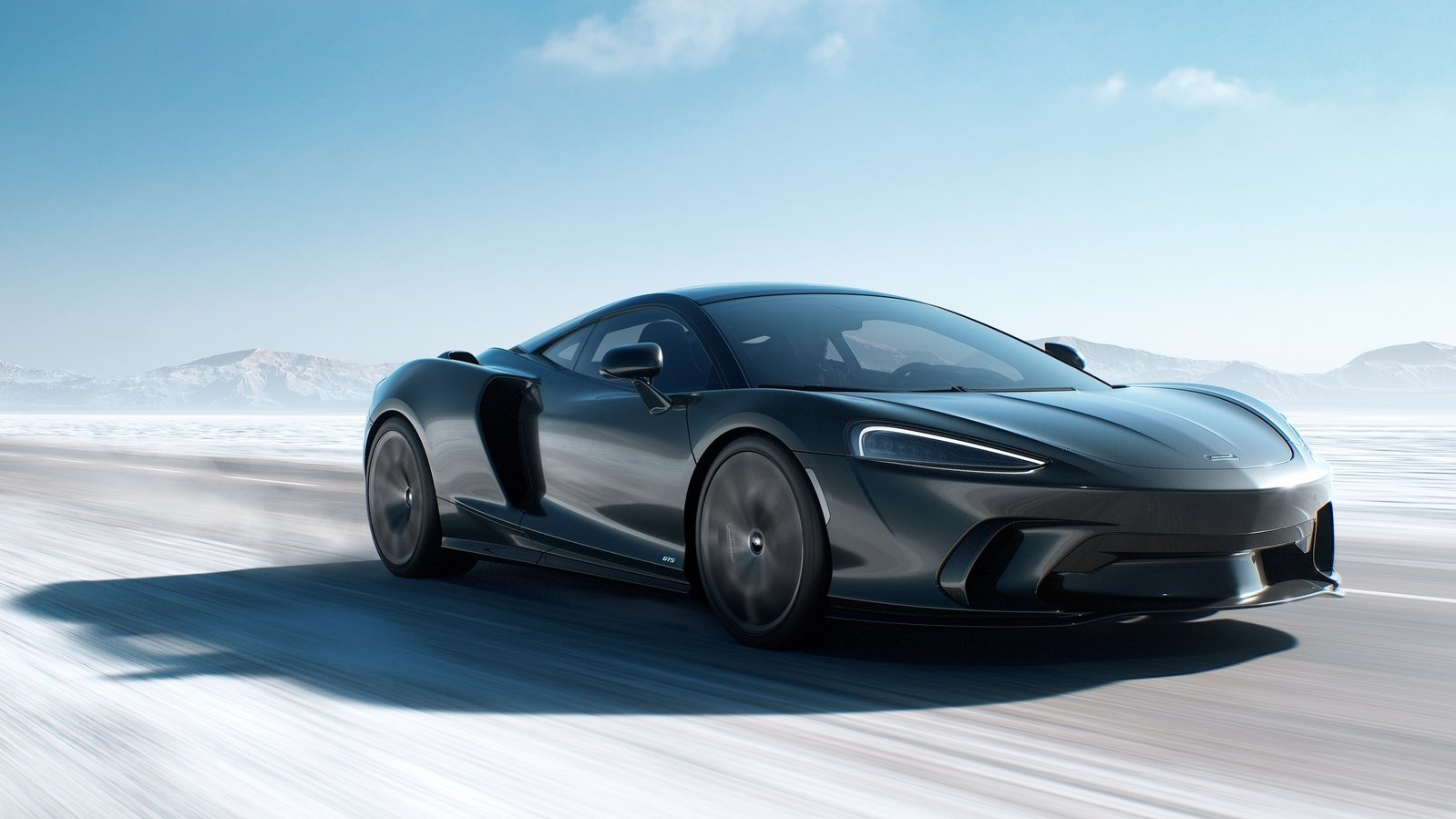

2025 McLaren GTS Makes The GT (Incrementally) Even Prettier
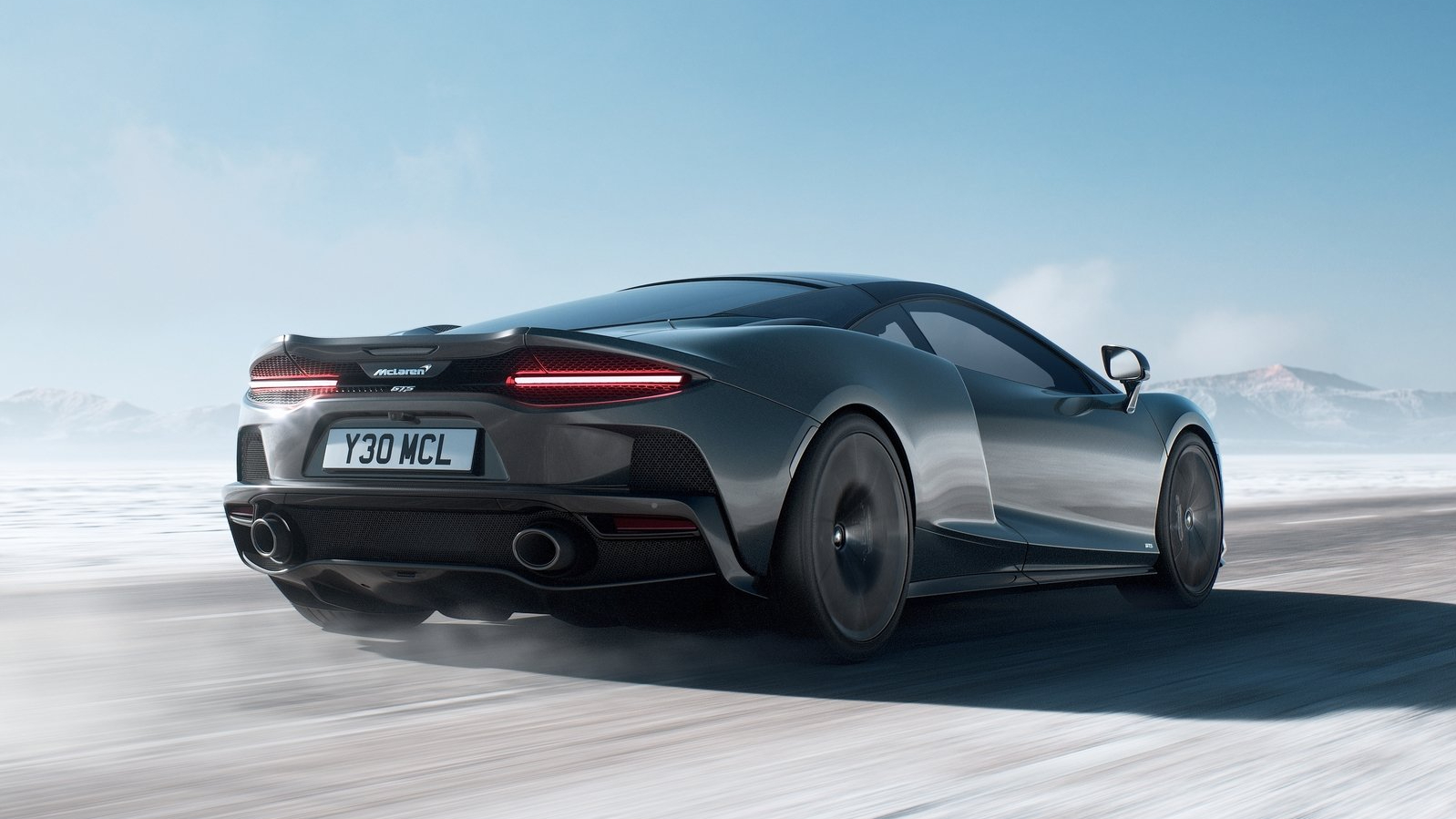
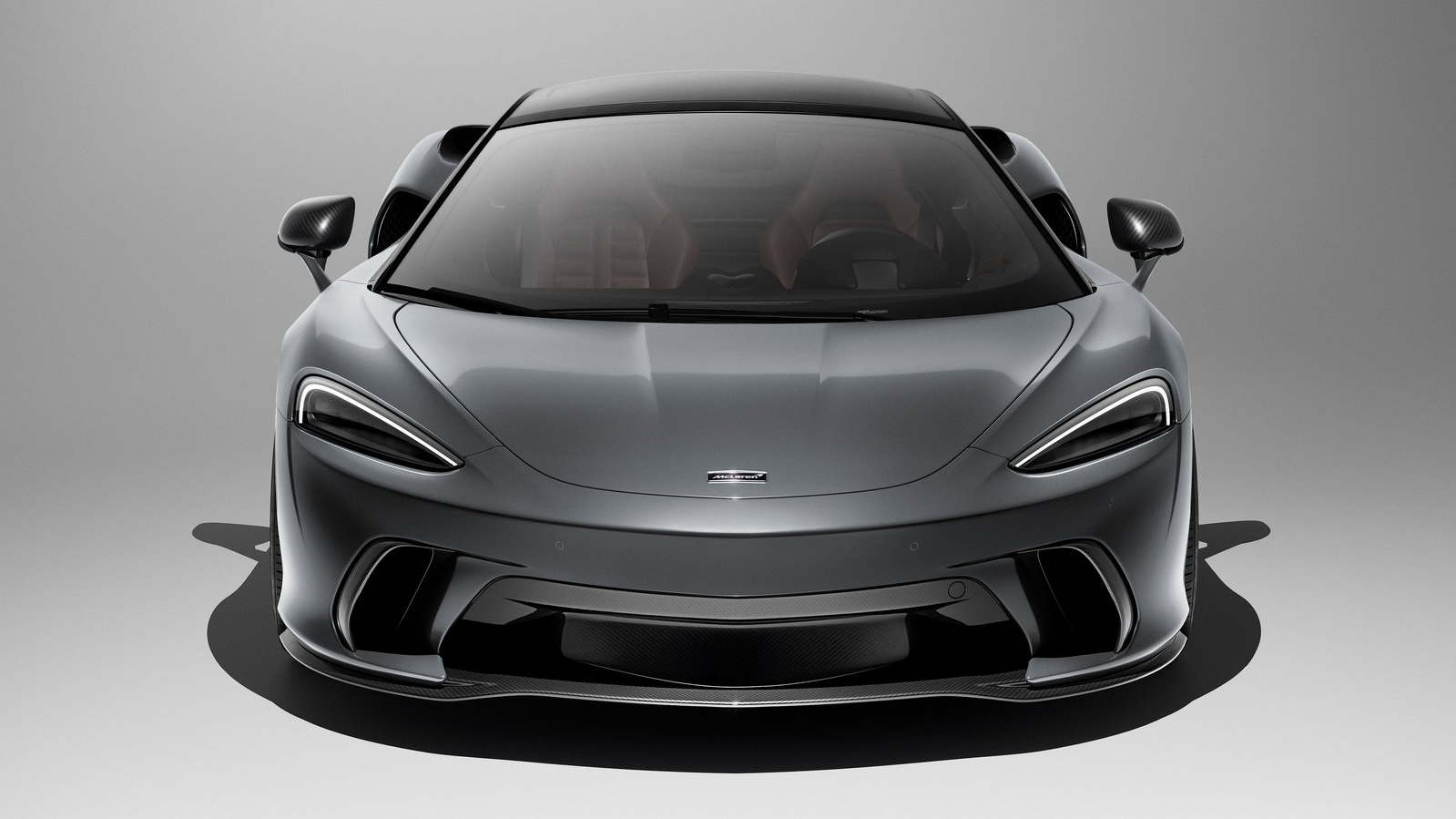
McLaren doesn’t typically make massive revisions to its supercars outside of generational updates, so with the GT due for a facelift next year, renaming it to “GTS” is unsurprisingly the biggest difference.
Despite the new moniker, the GTS’ mission remains the same as before: to offer slightly more luxury content than the more hard-core 750S, while delivering more performance than the entry-level Artura. As a result, it receives a slight power upgrade, new interior trim, and a minor visual update that thankfully makes it look even more elegant and beautiful than before.
The twin-turbo 4.0-liter V8 in the GTS now produces 626 horsepower, a 14-hp bump from the outgoing GT, with the same 465 pound-feet of torque. McLaren claims that the new car is 22 pounds lighter, while the larger front air intakes and resculpted rear diffuser allow for better airflow, which should result in a slight performance improvement. A 3.1-second 0-60 is the officially quoted time, but that sounds conservative given the old GT achieved under 3 seconds in other publications’ instrumented testing.
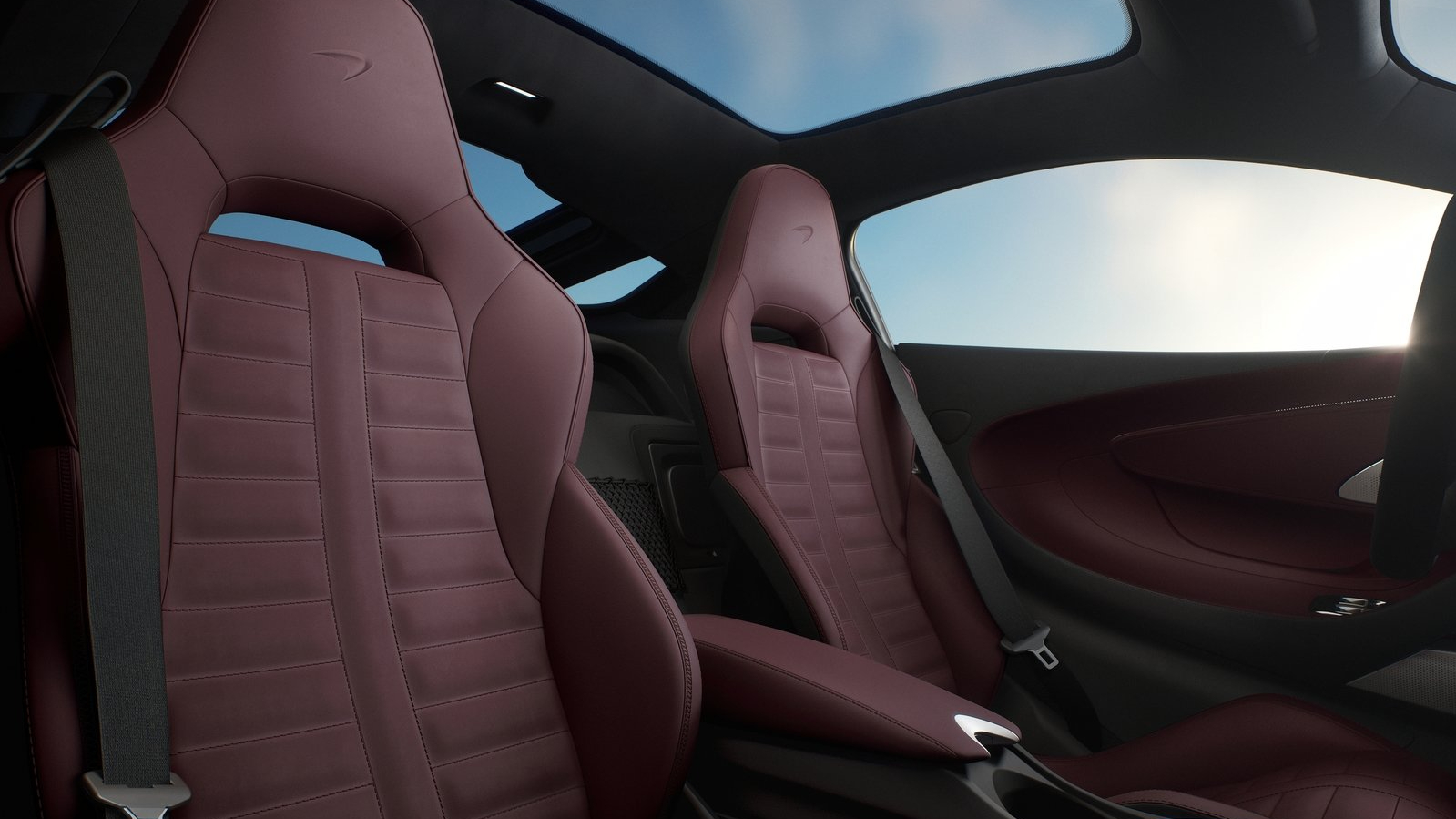
As for new trimmings and optional extras, the interior can now be finished in aniline leather and Alcantara, with a new piping pattern on the seats. New wheel designs are also on offer, including the stunning 10-spoke turbine style shown above. New colors include Mantis Green (think back to the 650S), Tanzanite Blue (which is arguably purple), Ice White, and Lava Gray. The available front axle lift system has been improved for quicker speeds up and down.
Deliveries of the GTS will begin in 2024, but McLaren has not yet announced pricing. A starting MSRP over $210,000 is likely, of course rising far higher once you start going through the plethora of additional options.
 Also Andrew