
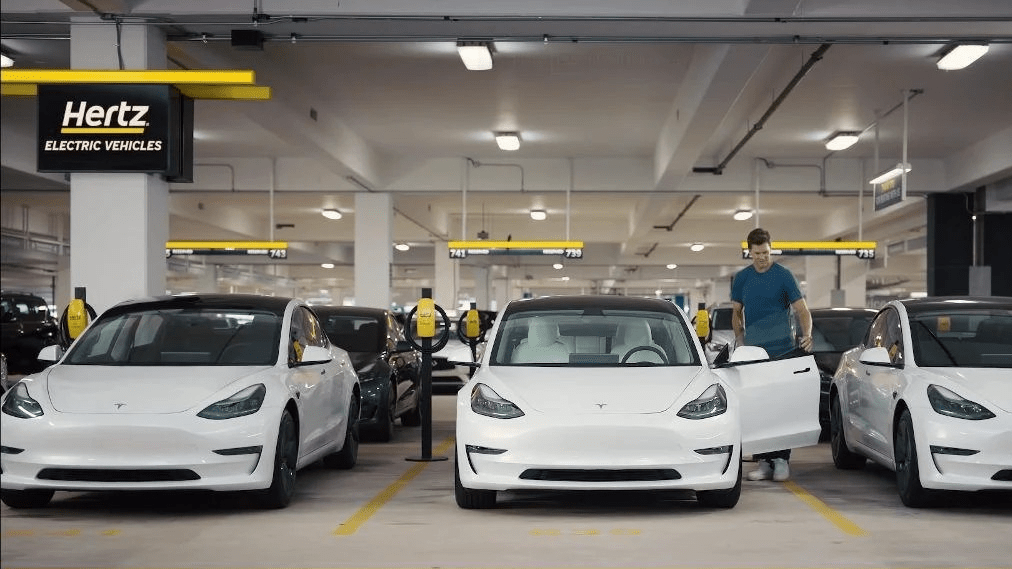
Hertz Selling 20,000 Teslas And Other Electric Cars
A little over two years after the mass purchase of over 165,000 electric cars globally (roughly 100,000 Teslas and 65,000 Polestar 2 models), rental car giant Hertz has announced that it is planning to sell off roughly 20,000 of the EVs currently in its fleet.
While many have speculated this move could be due to consumer demand, Hertz’s recent investor report makes it very clear the issue is just Tesla. The Model 3 and Model Y vehicles just aren’t making the cut when it comes to durability and repair costs. While regular maintenance costs are significantly lower than internal combustion vehicles, but the collision and damage repair costs have been much higher than expected.
According to Johann Rawlinson, Hertz’ VP of Investor Relations, “collision and damage repairs on an EV can often run about twice that associated with a comparable combustion engine vehicle.” The difference is significant enough that it weighed significantly on 2023 earnings.
Even though Hertz plans to offload a large portion of its electric fleet, the company says it “will continue to execute its strategy around EV mobility and offer customers a wide selection of vehicles,” according to the filing. Hertz says it will work on growing its charging infrastructure, work more closely with electric car manufacturers to lower parts and labor costs, and continue to help educate customers about EVs.
As of writing, there are currently just over 500 Tesla Model 3s for sale on Hertz’ direct sales website. The cheapest ones with 80,000 miles or more are in the low-$20,000 range, though screenshots circulating online show some of the early listings below $18,000. Typical rental car abuse aside, there are plenty with less than 60,000 miles that could be really good purchase deals — a quick dealer search shows most 2021 and up Model 3s in the high-20s, with low-mileage examples just under $30,000.
The downside of purchasing from Hertz’ website is the lack of photos or detailed information about each individual car. In our personal experience, some rental Teslas have fared way better than others — so if you want to take advantage of the below-market prices, just make sure you inspect the vehicle extra thoroughly before taking delivery.
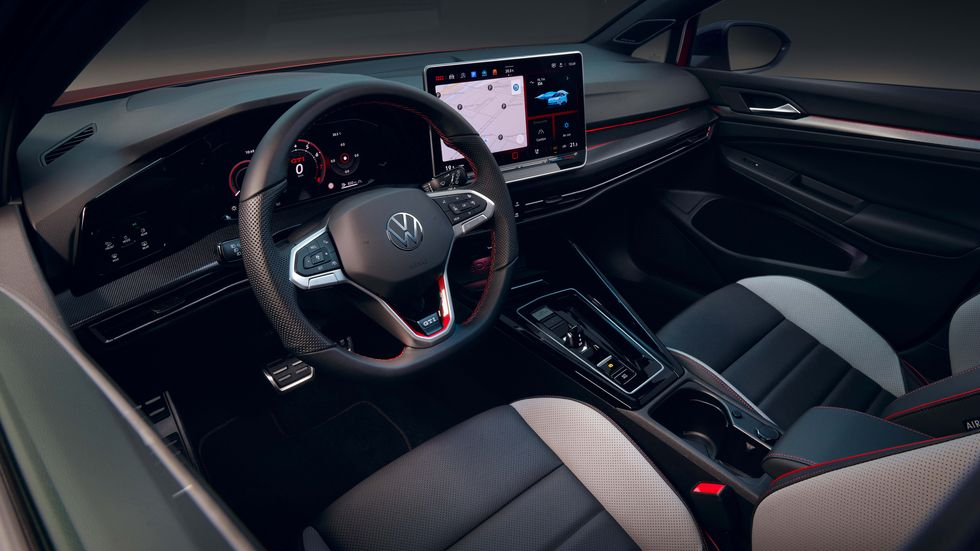

Updated VW GTI, ID.4 Will Feature ChatGPT, More Real Buttons
It was only a matter of time until artificial intelligence made its way into vehicles from legacy automakers. This week, at the 2024 Consumer Electronics Show in Las Vegas, Volkswagen became the first one to introduce a ChatGPT-based voice assistant which will make its first appearance in an updated ID.4 and the facelifted Mk8 Golf GTI.
Dubbed “Ida,” the feature is much like activating Siri through Apple CarPlay; the system will come to life upon saying “Hello Ida” or simply pressing a steering wheel button. While BMW, Mercedes, and other automakers offer similar voice-activated systems, VW the first to use ChatGPT, which is facilitated through the company’s partnership with Cerence Inc.
Comparatively, Volkswagen’s implementation appears to be a few notches above the competition. Versus traditional voice-assistant systems in cars, the software understand and reply to significantly more generic requests. For instance, telling Ida you want chicken tikka masala for dinner will result in a list of nearby Indian restaurants, rather than having to explicitly ask for a certain cuisine or name-brand establishment. Ida can also provide very detailed information about nearby attractions, kind of like a built-in tour guide.
Of course, the system can also complete more traditional functions, like controlling the HVAC temperature or giving basic navigation directions. And for folks worried about security, VW says the chatbot doesn’t require users to create an account, it can’t access vehicle data, and it immediately deletes questions and answers.
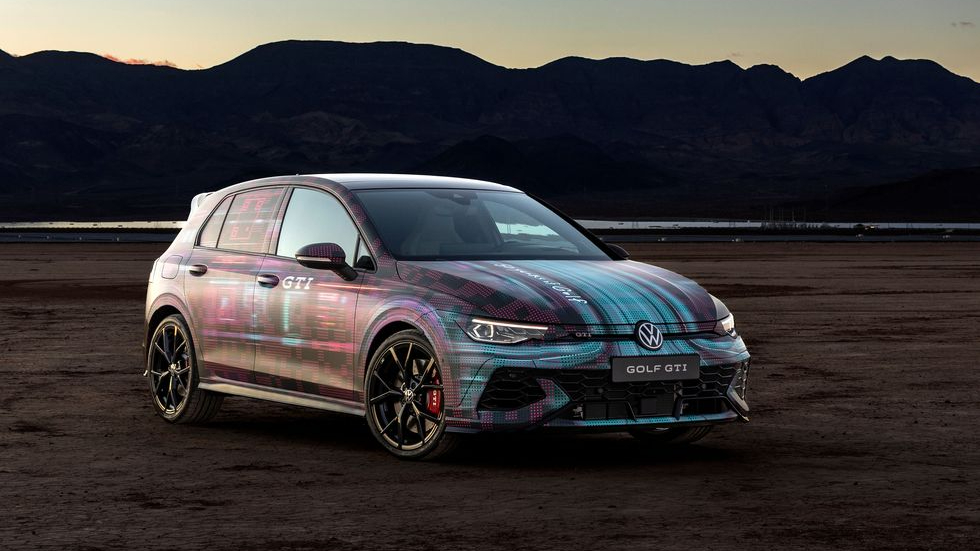
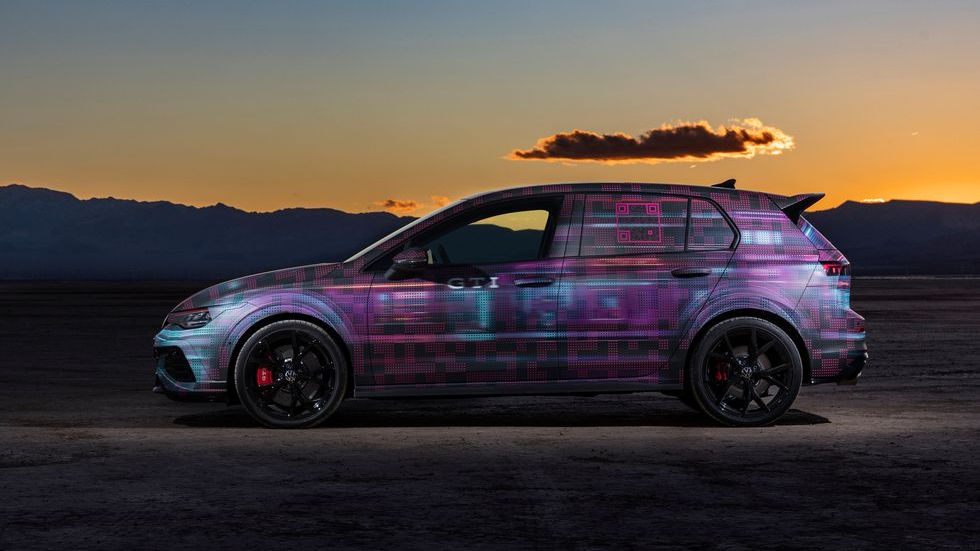
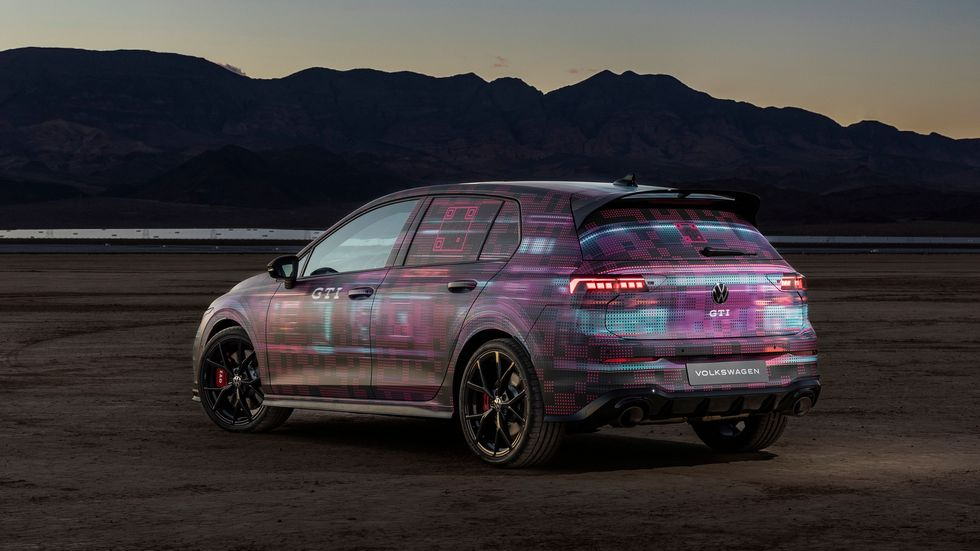
The 2025 GTI is also set to receive a few other updates, mainly visually. Per a camouflaged prototype, it’s clear the hot hatch will feature new head- and taillights, a revised front bumper, and a handful of interior changes. There’s a larger infotainment screen, but we’re most excited about the return to physical buttons on the steering wheel, something that has drawn much criticism so far in the Mk8’s life.
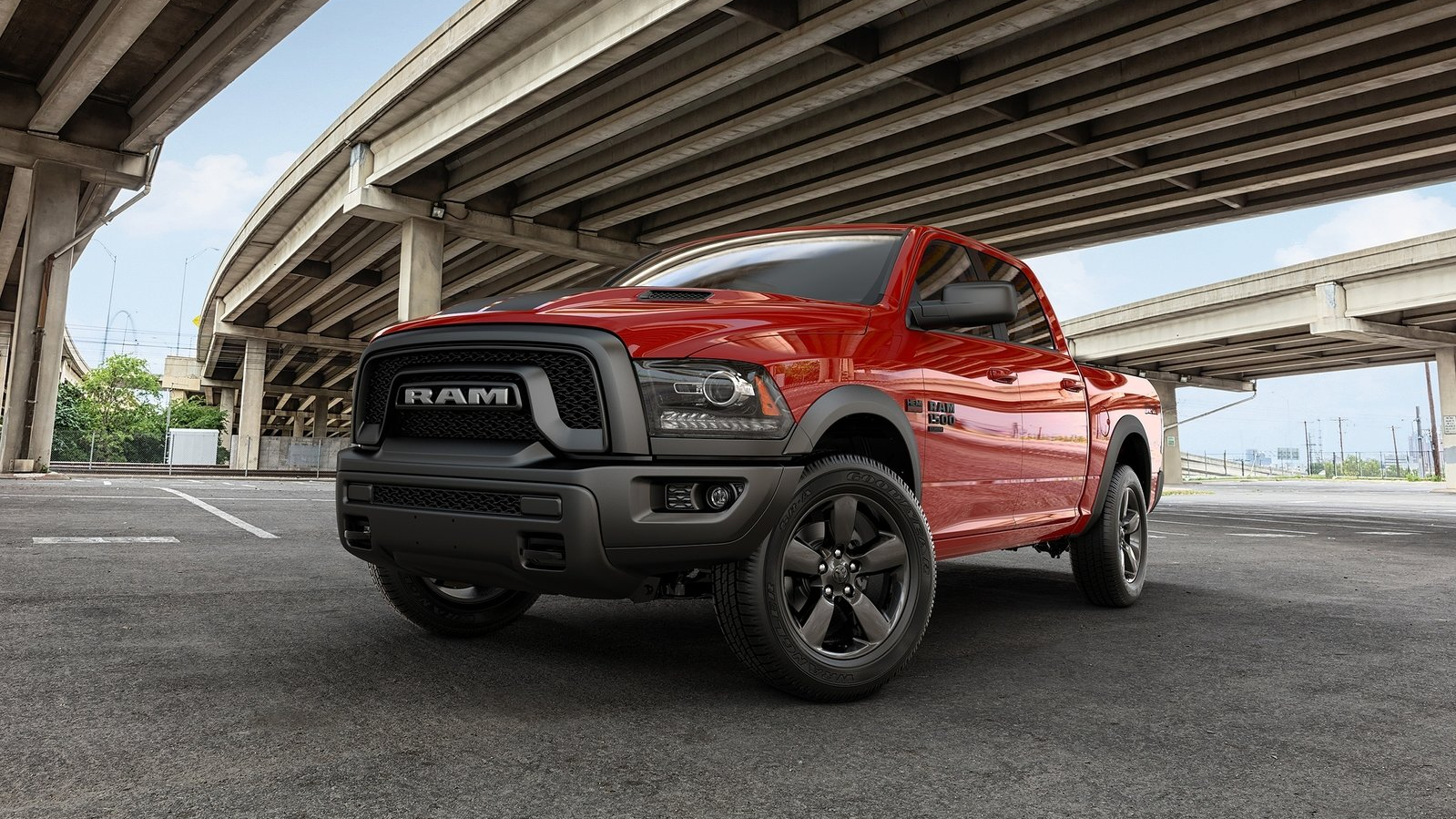
Ram 1500 Classic Soldiers On For Another Year
The previous-generation Ram 1500 pickup first went on sale in 2009. Ten years later, the US received a redesigned half-ton Ram, but Fiat-Chrysler (now Stellantis) opted to keep the outgoing truck on sale alongside the new one for a few years, as it was still selling relatively strongly.
Fast-forward another five years later, going into the 2024 model year, the Ram 1500 Classic is still on sale alongside the newer-gen truck, and will continue to be on sale when the once-again refreshed 2025 1500 hits the showrooms later this year.
Previously, the Classic had been a value alternative for buyers looking for a cheaper option in the full-size truck category, whether as a basic work truck or otherwise. Compared to the 2023 model, however, the Classic’s base price has risen substantially to $40,700 — a $6,460 increase and now only a $415 savings versus the newer truck. The 2025 facelift will likely drive the regular 1500’s price up some as well, but likely not as significantly.
Although the price has risen, there may be one major reason to still buy the Ram 1500 Classic: the engine choices. With its 2025 refresh, the 1500 is losing its long-running HEMI V8 in favor of a twin-turbocharged six-cylinder. Ram is certainly not the first one to make the switch, but rather has been one of the last V8 holdouts. For those that can’t live without a V8, though, the Classic will still be available with the old-school 5.7-liter as it always has been.
Sources suggest this may be the last year for the Ram 1500 Classic, so if you need a brand-new half-ton pickup with a tried-and-true V8 engine for (slightly) less than the competition, now may be your last chance.
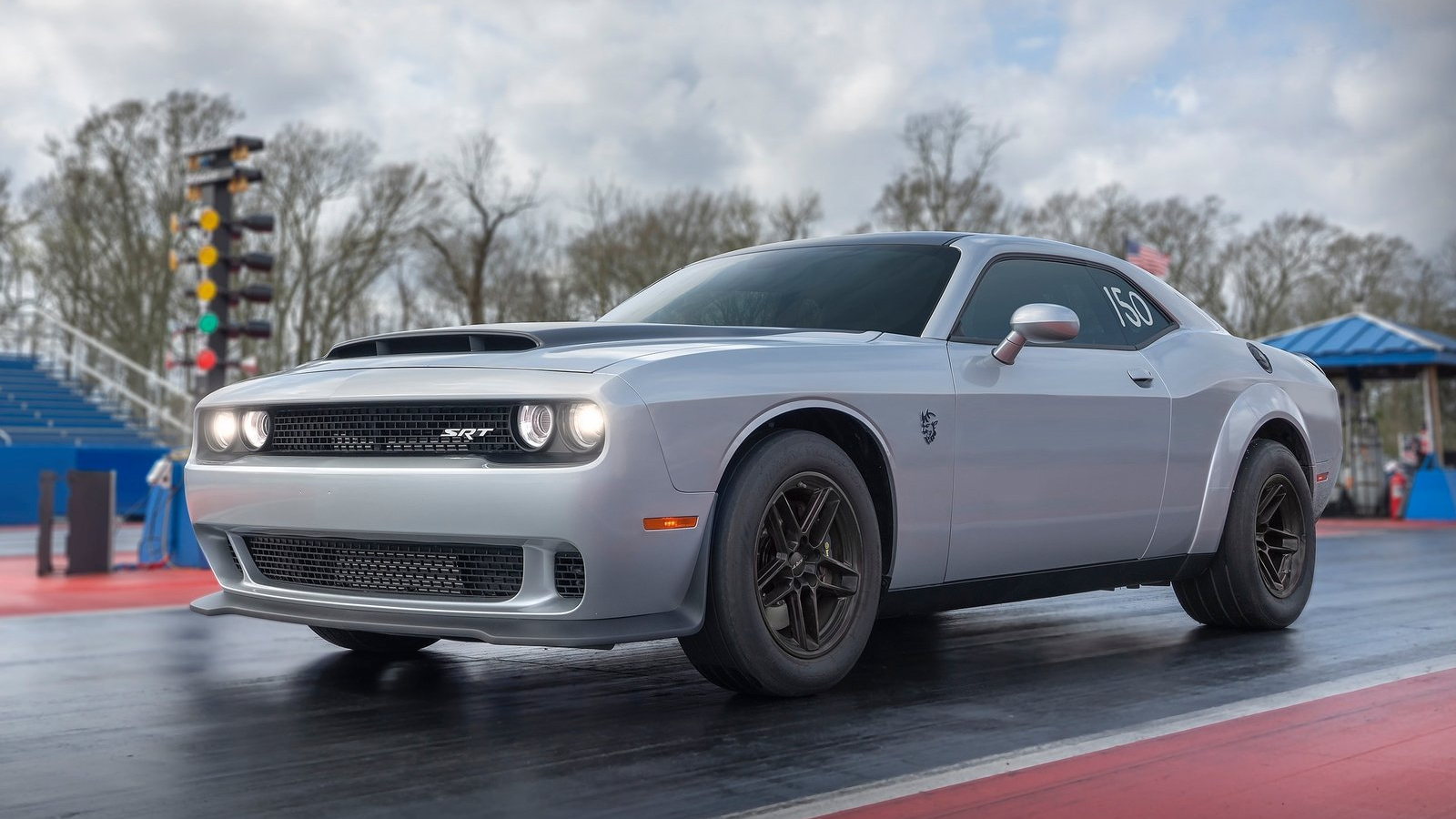
Dodge Charger, Challenger Officially Out Of Production
Production has officially fully ended for the L platform, the basic underpinnings of the Chrysler 300, Dodge Charger, and Dodge Challenger for the last nineteen years.
After a lengthy run of special-edition models, Dodge announced that as of December 22, the final 2023 Charger and Challenger have rolled off the line at Stellantis’ Brampton Assembly plant in Canada. The last Chrysler 300 was completed two days prior. Apparently, the last Charger was a Scat Pack Widebody painted in Destroyer Grey, while the last Challenger was an SRT Demon 170 in Pitch Black.
Since 2005, the Chrysler 300 has been something of a legend in the music industry. It was loved for its Bentley-esque appearance mixed with American gangster swagger. The Dodge Charger and Challenger followed in 2006 and 2008, respectively, and quickly became America’s muscle cars for the masses. In recent years, all three have been regarded as lesser than the competition (mostly due to not having received a significant refresh since 2015), but still proven to be incredibly popular in their old age.
Now, over the next couple years, the Brampton, Ontario factory will receive major retooling, including a new paint shop and stamping lines. In late 2025, the facility will begin producing the next iteration of the Jeep Compass as well as other upcoming vehicles riding on the STLA Medium platform.
The Charger and Challenger’s successor will be built nearby at the Windsor Assembly Plant, also in Ontario. Previewed by the Charger Daytona SRT Concept, the two are expected to be consolidated into one model with both two- and four-door variants. Electrified drivetrains have previously been confirmed, although the Hurricane inline-six is likely to make an appearance as well.
On the other hand, the Chrysler 300 sadly won’t have a direct replacement, as the brand prepares for an electric revolution over the next few years.


Apple Previews Next-Gen CarPlay For Porsche, Aston Martin
Apple CarPlay may be one of the greatest advances in automotive media technology with its ability for consumers to forgo often lacking and inconsistent built-in infotainment systems. Almost every new car comes standard with CarPlay these days, meaning drivers can enjoy a similar multimedia interface regardless of what model they’re in.
The popularity of CarPlay has led Apple to collaborate directly with automakers to develop interfaces tailored to their individual vehicles. The first brands to fully take advantage of this are Porsche and Aston Martin, both of which have previewed their updated CarPlay systems coming later this year.
This next-generation CarPlay builds upon the previous version by integrating into all of the displays of a given vehicle, rather than just the central infotainment screen. For instance, Porsche’s setup fully links the Apple interface to the gauge cluster and passenger display, in addition to the traditional center screen. Additionally, the updated CarPlay system will be able to seamlessly integrate vehicle monitoring data, such as tire pressure readouts and the like.
Aston Martin, on the other hand, has still kept a more legacy styling appearance with a pair of gauges flanking an information display in the middle. This isn’t too dissimilar to current-generation CarPlay, which in some newer models allows the phone-based Google Maps or Waze navigation to be displayed in front of the driver.
While Porsche has not released any specific launch timing, Aston Martin has announced its new CarPlay system will be available in the imminent DB12 coupe and convertible. Given Porsche’s relation to Volkswagen Group and Aston’s connections to Lucid and Mercedes-Benz, it’s only a matter of time before this tech gets adapted into other models in their respective portfolios.
 Also Andrew