
Apart from muscle cars, the Jeep Wrangler is one of America’s most iconic vehicles. What started out as basic off-road military transport has become overwhelmingly popular with ages and demographics alike as a relatively affordable off-road machine that’s easily livable and backed by an incredible aftermarket community.
Since the discontinuation of the Jeep CJ series and the adoption of the Wrangler name in 1986, there have been just four generations — YJ, TJ, JK, and JL. Upon its original introduction in 1996, the TJ Wrangler was popular for a few major reasons. For one, its appearance harkened back to the original much more so than the YJ, which lacked the round headlights and seven-slot grille we all immediately recognize today.
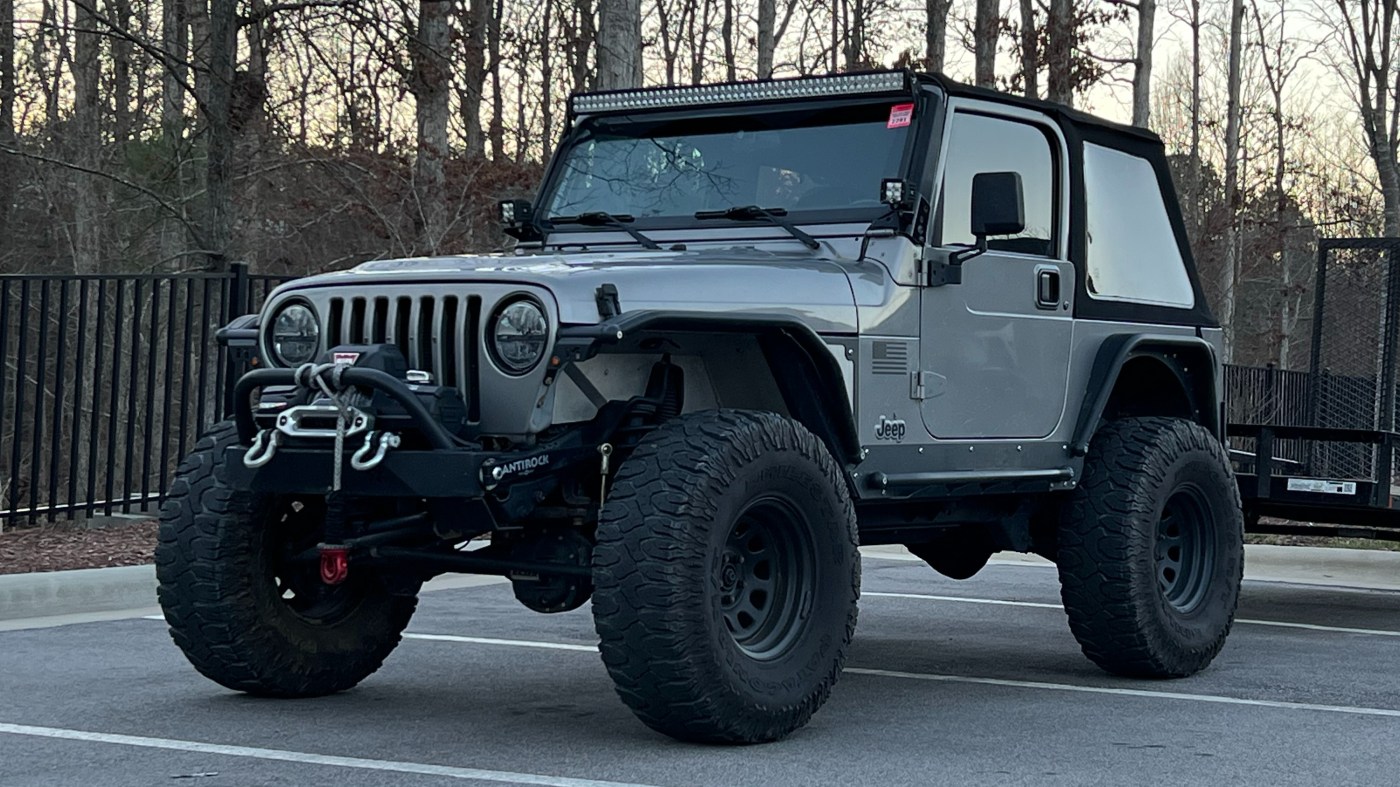
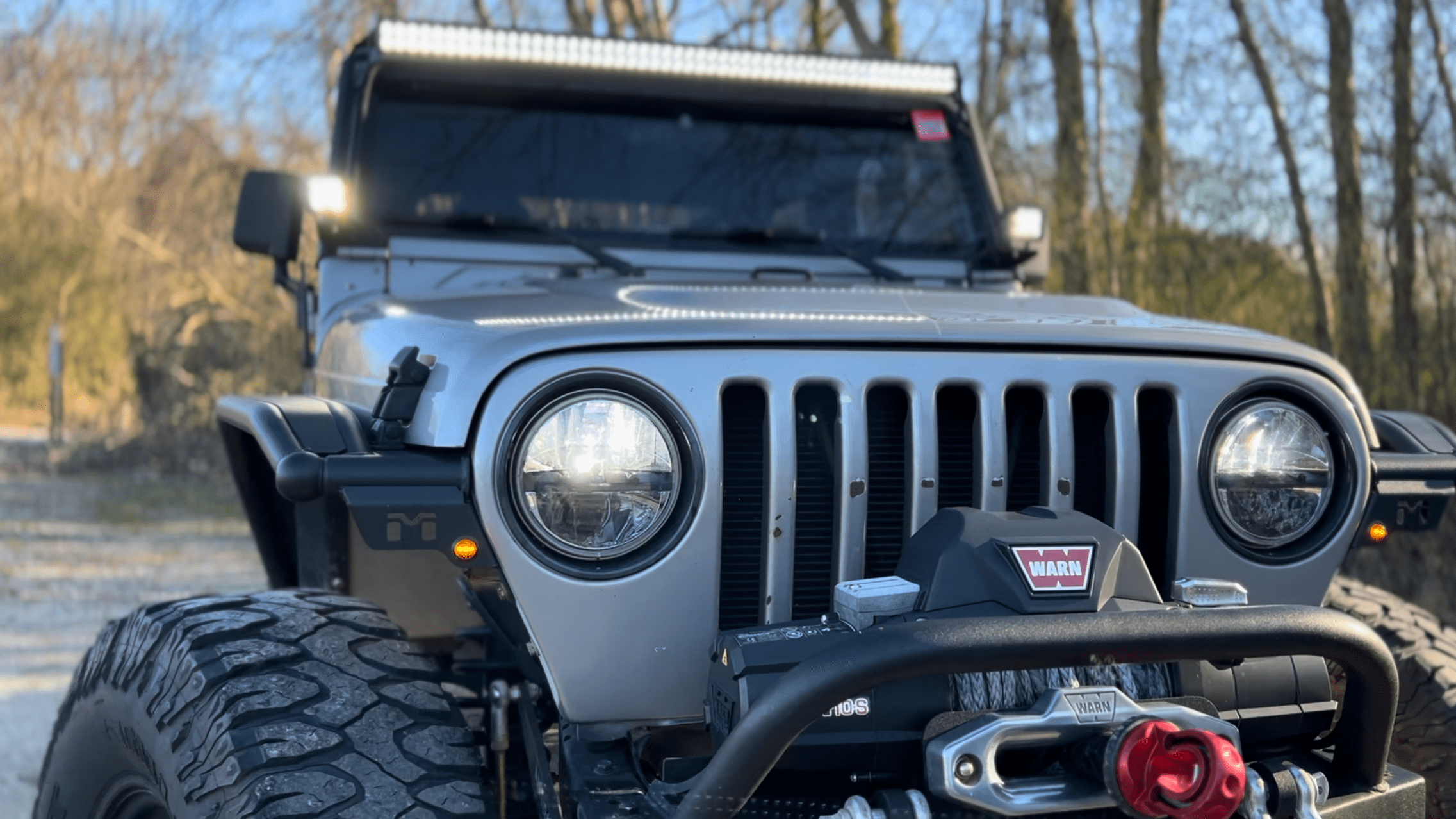
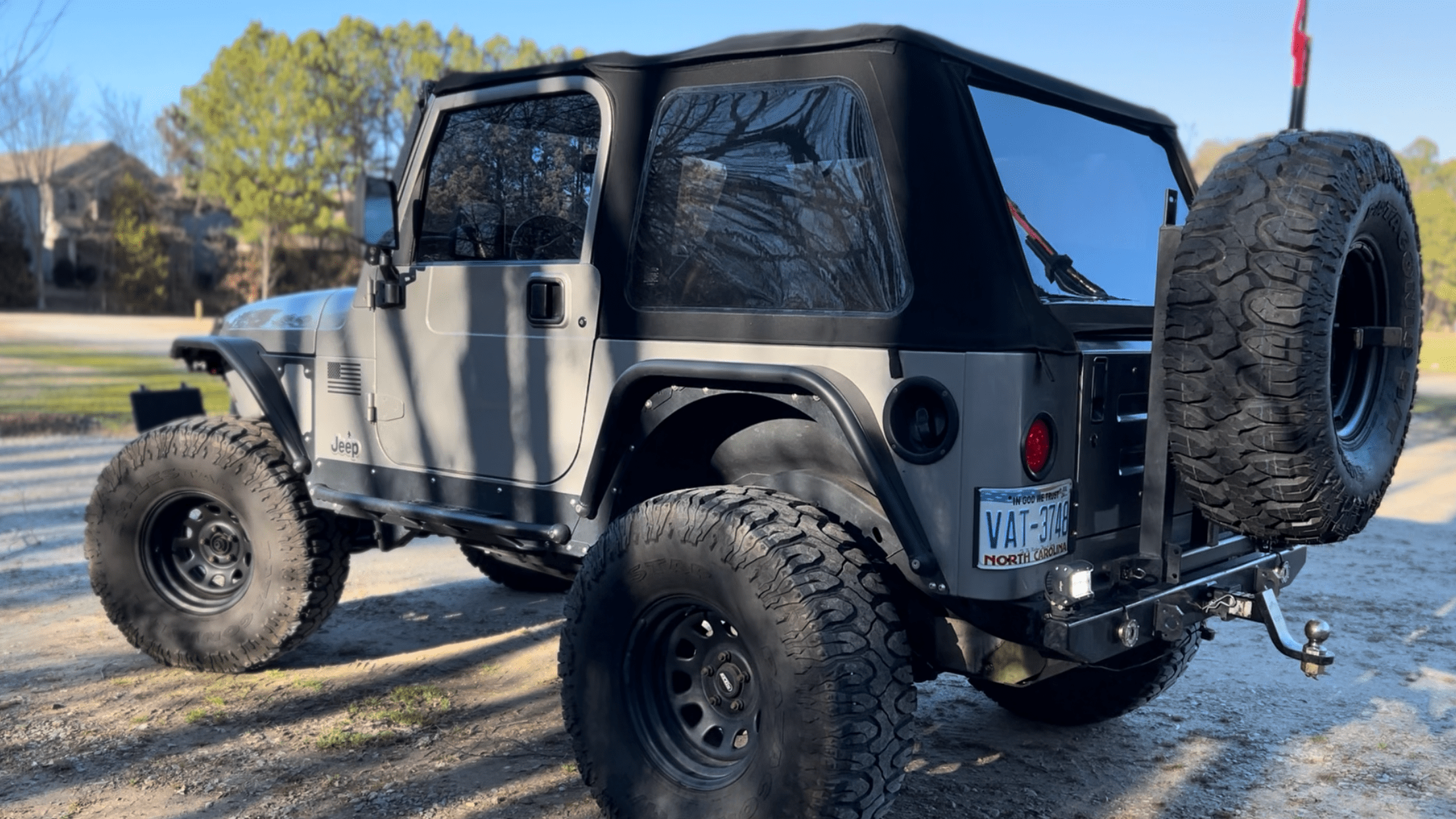
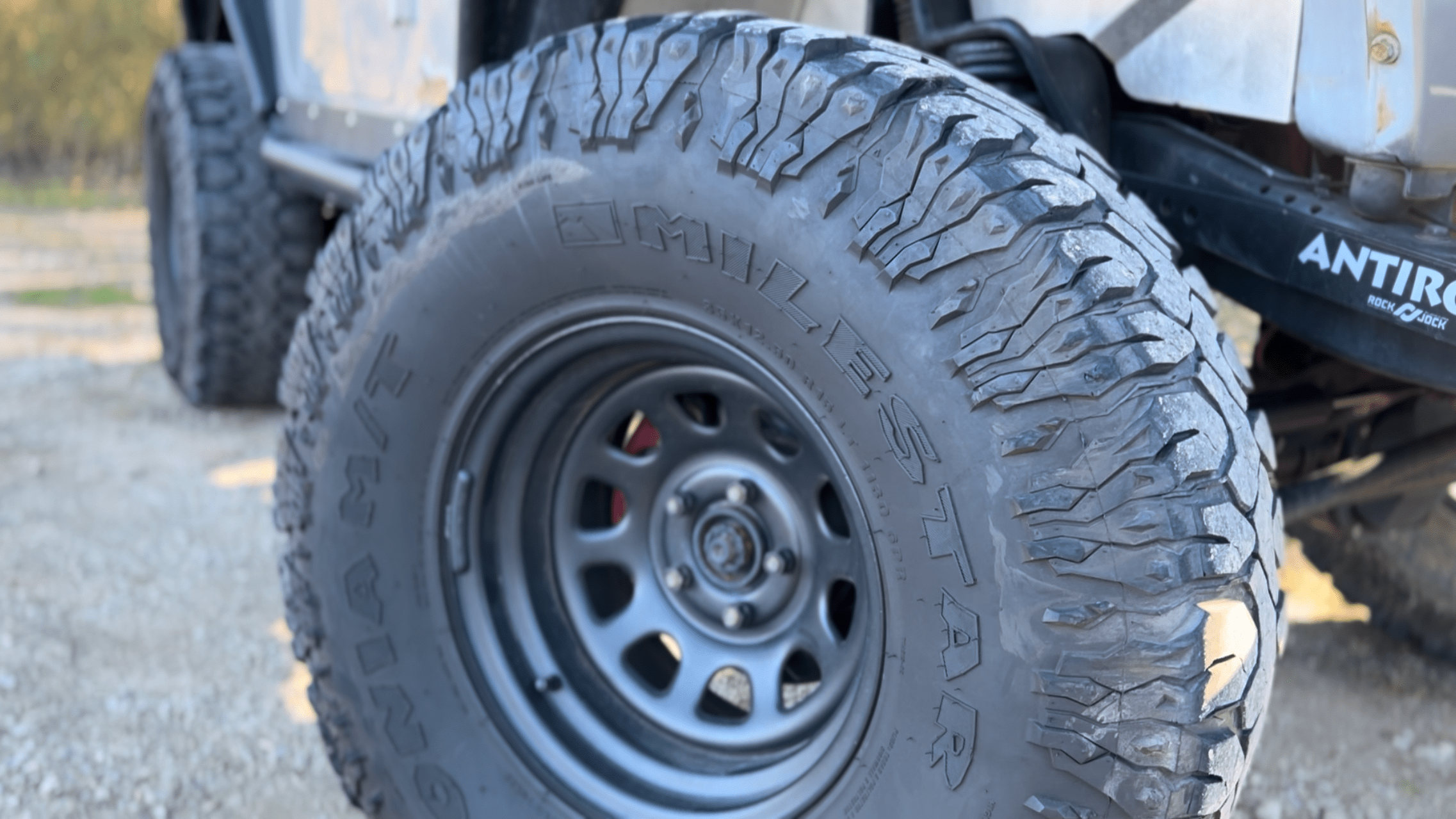
Of course, this particular TJ has undergone some extensive body modifications, including Metalcloak fenders, rocker armor, and custom metal front and rear bumpers. The majority of the front end is devoted to supporting the Warn winch, while the majority of the rear end is consumed by the extra-large spare wheel and tire — a full set of five 35-inch M/T tires gives the proper “chunky” off-road-ready look that most people crave. There’s also no shortage of auxiliary lights, as you’d expect.
Underneath, the TJ was the first to feature a modern coil-spring suspension setup. This particular Wrangler builds upon that with custom driveshafts, a slip yoke eliminator, an air locker in the rear, and a four-inch lift (which is also slightly necessary for the bigger tires). From factory, the largest available on a TJ were merely 30s — not small by any means but arguably tiny by today’s standards.
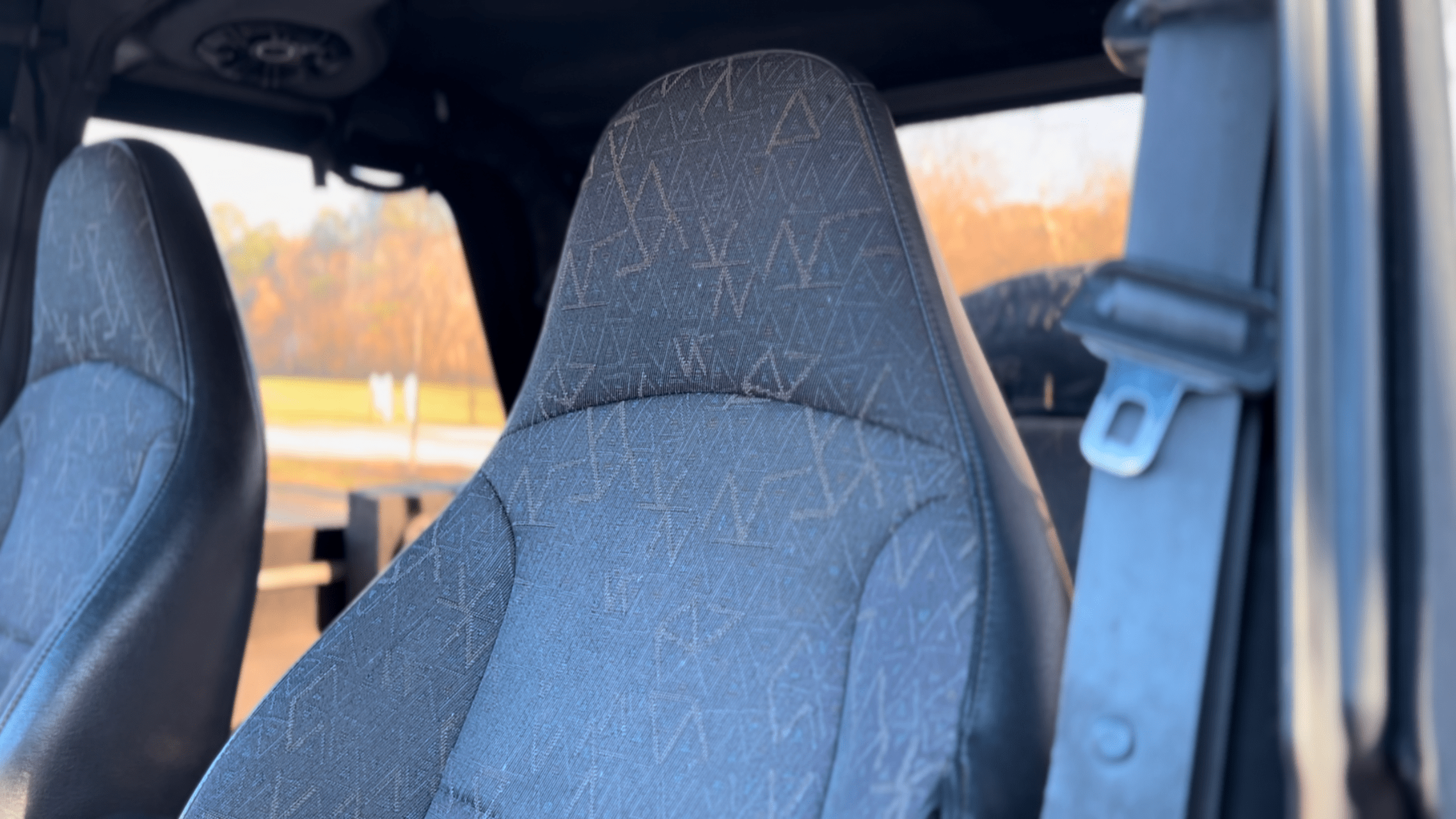
Being a Sport model, the standard equipment list includes a basic AM/FM radio, cloth seats, and not much else; though several nice upgrades were available, such as the 30″ tire package and a Dana 44 rear axle (replacing the standard Dana 35). With the succeeding generations of Wrangler, the Sport became the base trim, and still to this day comes with a manual transmission and manual crank windows as standard.
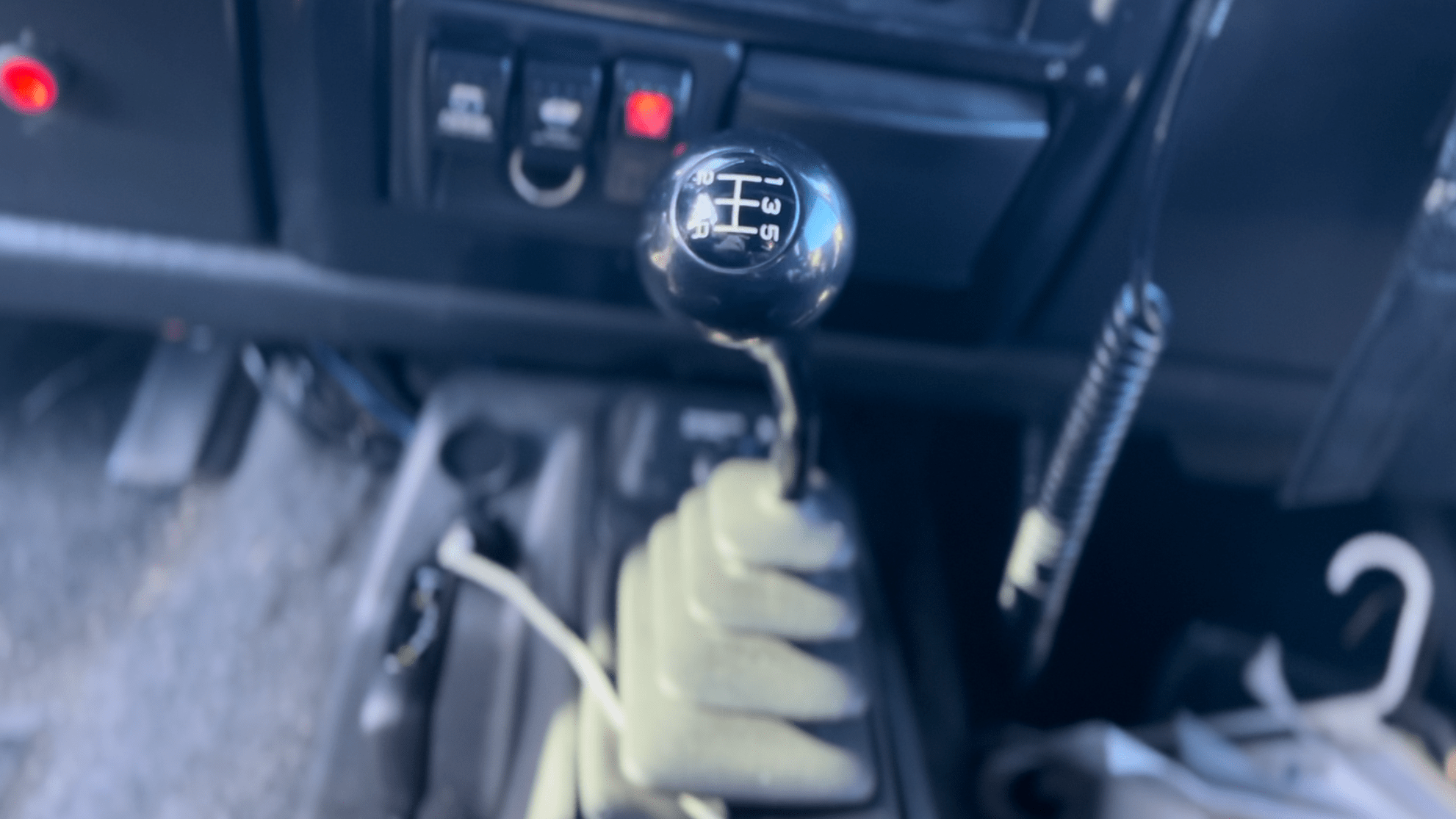
Under the hood most TJ Wranglers came equipped with a robust 4.0-liter inline-six from AMC. A naturally-aspirated four-cylinder was available on the ultra-base trim, but with under 200 horsepower, the six was already frankly underpowered. Earlier models offered either a three-speed automatic or five-speed manual, while a four-speed auto was added in 2003, and a six-speed stick in 2005. 0-60mph was originally quoted between 9 and 9.5 seconds, though with age and modifications, an extra second or two seems likely now.
Also just over double-digits is the fuel economy. The official EPA figure is 15 MPG combined, but considering I used most of two full tanks to drive maybe 400 miles this past weekend, that number may be slightly optimistic.
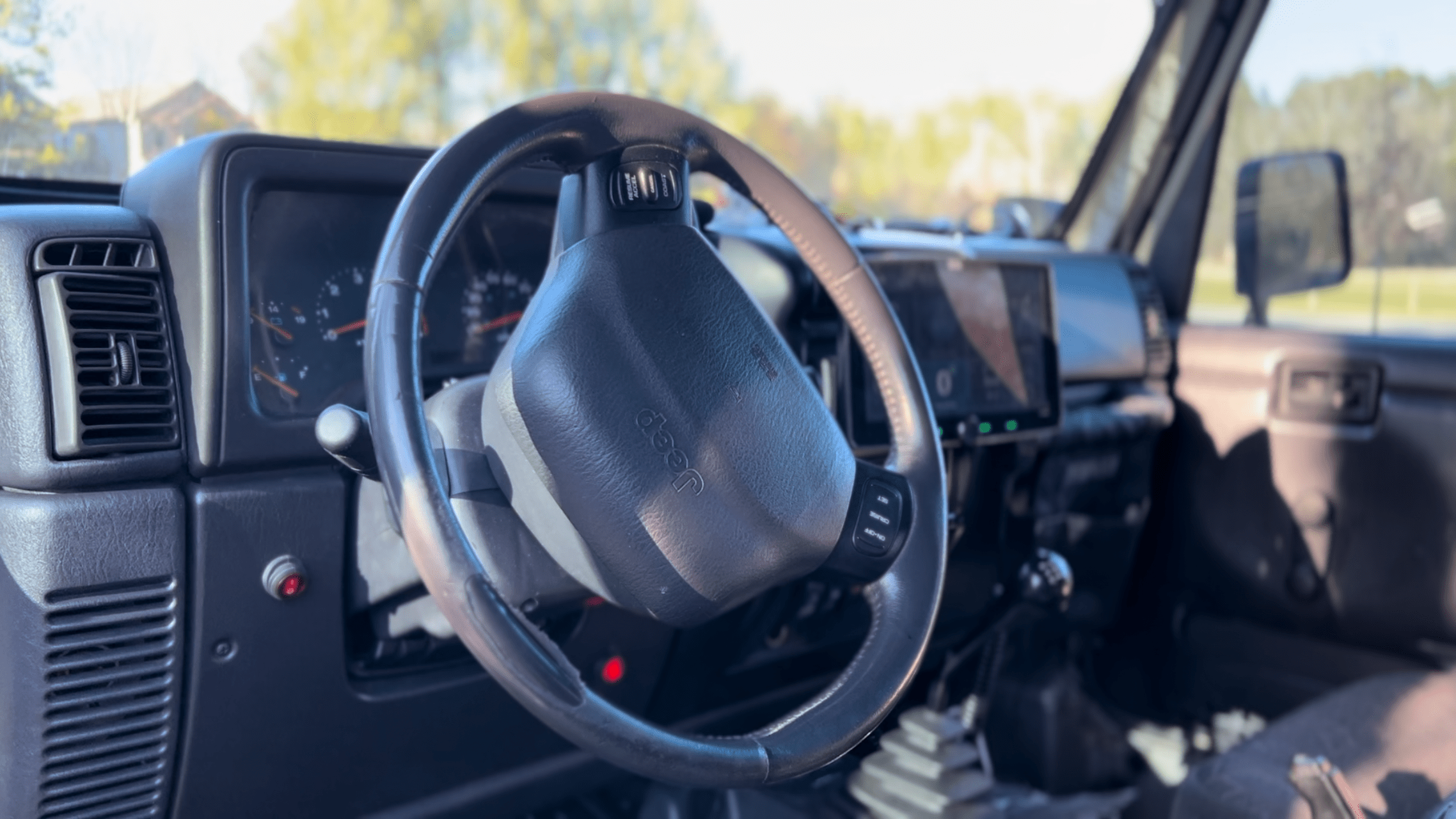
Most people don’t buy a twenty-year-old Jeep to be a highway mile-muncher, though. Frankly, most people aren’t insane enough to drive a properly built one like this everyday as their commuter car either. That said, though, once you get used to the awful steering, it’s honestly not bad for what it is.
Yes, it’s quite loud on the highway, but the engine sounds great around town. The shifter is about the furthest thing from a Miata, but it rewards lazy driving, and it’s an easy manual to learn to operate — the clutch is so tall you can almost never let it out too soon. You just have to make tons of micro-corrections to the steering and pay extra attention, because most of the time you don’t know which way you’re going to go until you’re already going it.
With the roof off or even just the windows down, music blasting, and the excellent straight-six exhaust note, this Wrangler is an incredibly fun vehicle to cruise around in. Of course, it’s also insanely capable off the pavement if mud or mountains are your preference over having your picture taken at every stoplight. Seriously — I’ve never gotten so much attention in a non-sports car.
Aside from the fun factor, there’s quite a few reasons why the TJ Wrangler is still so popular twenty-something years on. In those two decades, it’s proven itself to be incredibly durable and reliable, minus the custom lifter tick equipped on this one. It came well-built from the factory, and aftermarket upgrades are widely available and affordable. Nothing about it is overly complicated, and there’s nothing you don’t need. Like most Wranglers, it’s held value exceedingly well, but is still very affordable compared to a brand new one.
Sure, it’s undoubtedly flawed in a multitude of ways. While the TJ is probably not something I’d ever buy for myself, I absolutely get it. And ultimately, it’s really all the Jeep most buyers ever need, whether they want to admit it or not.
| Vehicle Tested | 2001 Jeep Wrangler Sport |
| Color | Silver / Black |
| Drivetrain | 4.0L NA I-6, 5-spd manual, Four wheel drive |
| HP / Torque | 181 horsepower / 222 lb-ft |
| Curb Weight | 4,000 lbs (est., modified) |
| 0-60 mph | 10.5 seconds (est.) |
| EPA Fuel Econ | 14 city / 17 hwy / 15 combined (stock) 10 – 12 combined (est., current) |
| MSRP | $19,055 (est., original) |
 Also Andrew