

Over the last decade or so, several automakers have had a crack at making hydrogen-powered cars as an alternative to the traditional battery EV (BEV). The Toyota Mirai has been the longest-running, briefly being joined by the Hyundai Nexo and Honda Clarity. Hydrogen fuel cell electric vehicles (FCEVs) have always posed solutions to two of the major complaints of BEVs — driving range and refueling times.
For one, you simply replenish the car’s hydrogen storage tank at a filling station, much like pumping gas into a traditional internal combustion engine vehicle. The car then uses an electrochemical process onboard to convert the hydrogen into electricity for powering the drive motors, and since hydrogen is very energy-dense, range would also be similar to what most people are used to.
The problem, though, is that hydrogen as a mainstream automotive fuel source is still very much in its early-adoption phase. If you think public EV fast-chargers were still few and far between, the availability of hydrogen filling stations will make Tesla Superchargers look like Sheetz or Bucc-ees. However, Honda says they have a solution for getting FCEVs out into the market even without readily-available hydrogen.
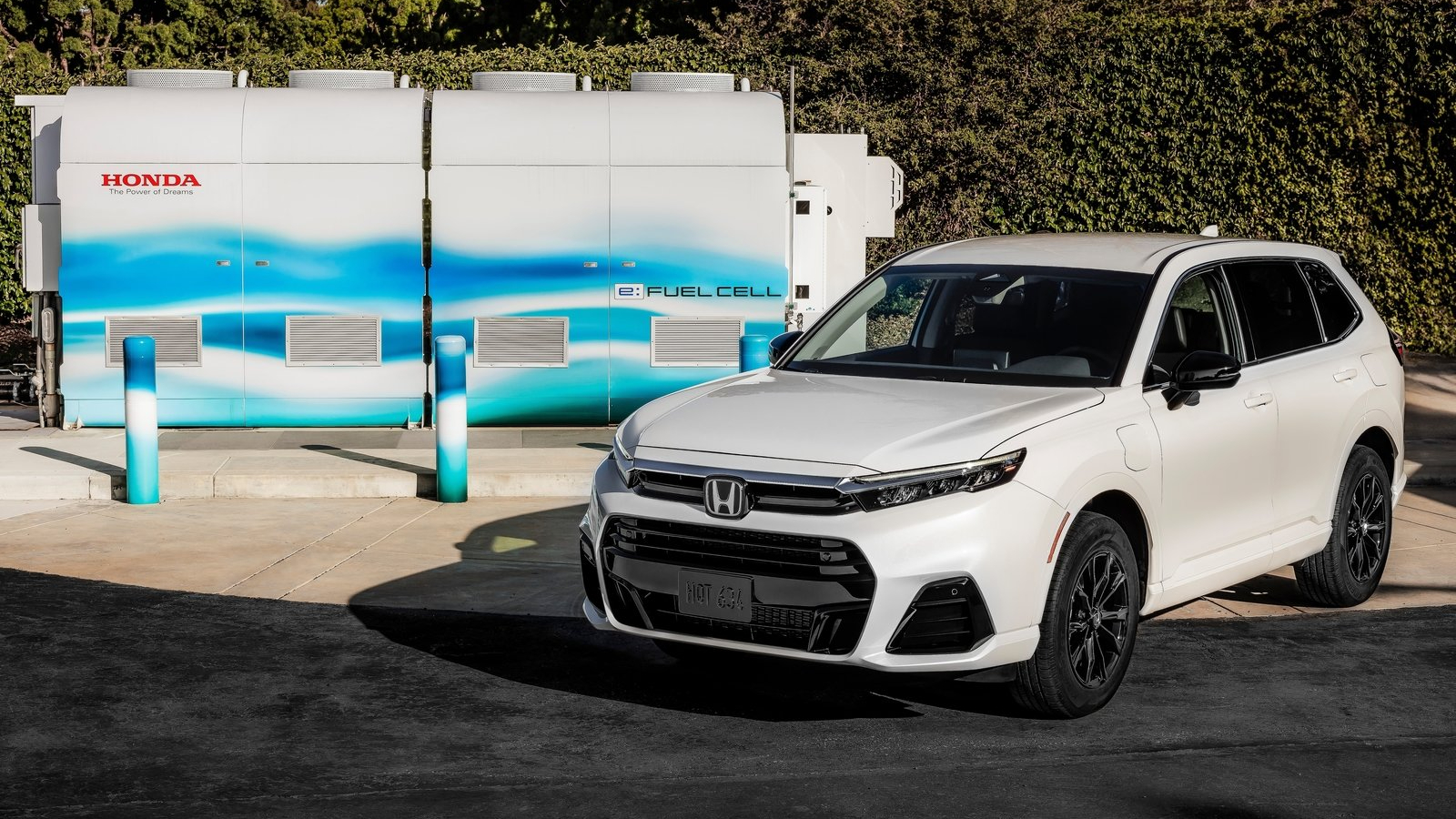
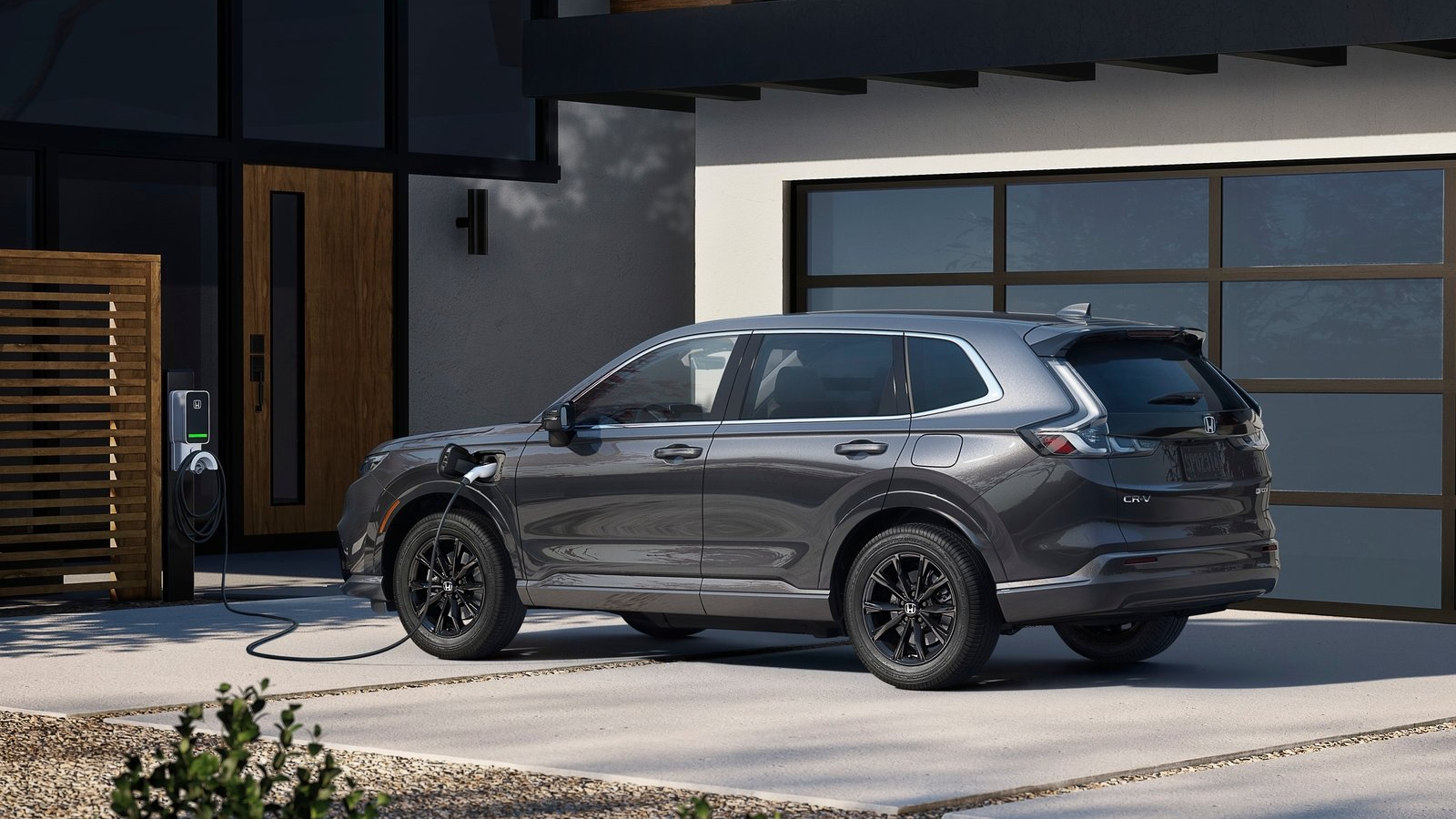

Enter the 2025 CR-V eFCEV SUV. The CR-V eFCEV is most similar to a plug-in hybrid (PHEV) in principle… or wait, maybe it’s closer to a range-extender EV like a BMW i3 or Chevy Volt. In a PHEV, like a Toyota Prius Prime for example, a gas engine is supplemented by a small battery pack that can also be used in place of the gas engine for limited distances. In a range-extender EV, on the other hand, the battery is your primary mode of transport, with a small internal combustion generator providing a safety net of sorts.
The thing is, in this case it’s hard to decisively say which is the primary power source and which is the backup, because the hydrogen fuel cell and battery pack can both fill each role depending on your circumstances. In theory, it’s intended to be the hydrogen, as the 17.7-kWh battery only allows a 29 mile range, whereas filling up from a hydrogen station gets you 270 miles total. But since it’s the first production FCEV to also have a charge port, you can operate it similarly to a PHEV and rely on the battery for most day-to-day use.
In practice, though, it appears that neither one is really a benefit. The limited availability of hydrogen stations and the measly battery range ultimately don’t pair well together, and it’s made worse by the lack of DC fast charging capability — meaning Honda has effectively limited the CR-V eFCEV’s usable area to the state of California. Good thing that’s also the only place you can lease one to begin with.
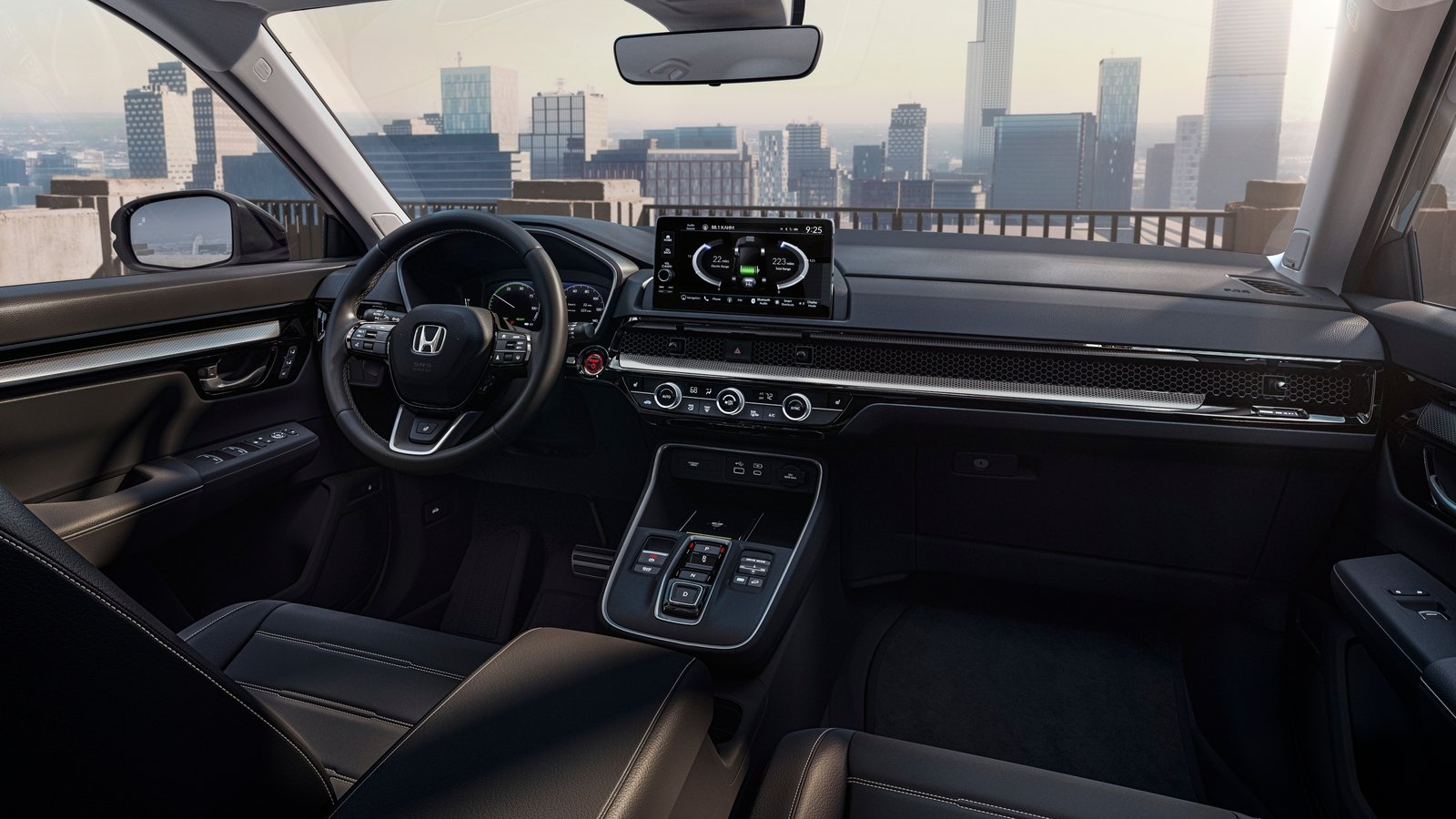
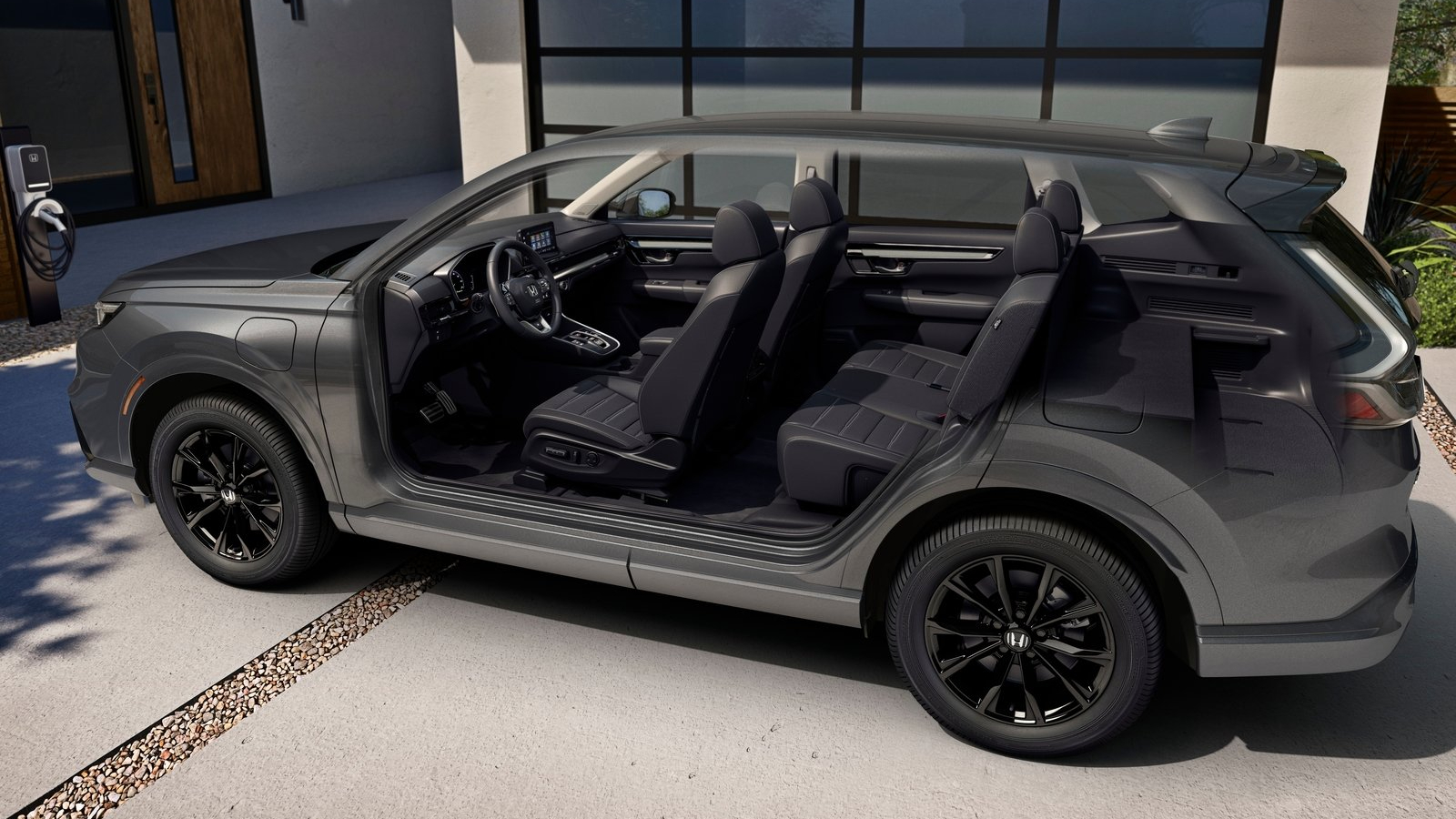
While inside and out the eFCEV is almost unmistakable from a regular CR-V, one of the most popular new vehicles on sale in the US, the packaging of the unconventional drivetrain leads to some issues. The right-size footprint and roomy interior are unchanged, but at the cost of a significant amount of cargo space, as seen in the photos below. That said, being based on the Sport Touring trim level, all the technology features and creature comforts you could possibly want are also still present.

The concept is certainly an excellent idea, and I commend Honda for continuing to believe in hydrogen as an alternative fuel source. But for now, an EV with virtually useless plug-in range that can be extended by an extremely rare alternative fuel makes the CR-V eFCEV a curious oddity; one that at the end of the day doesn’t really solve the hydrogen problem or the EV problem.
 Also Andrew
Leave a comment