
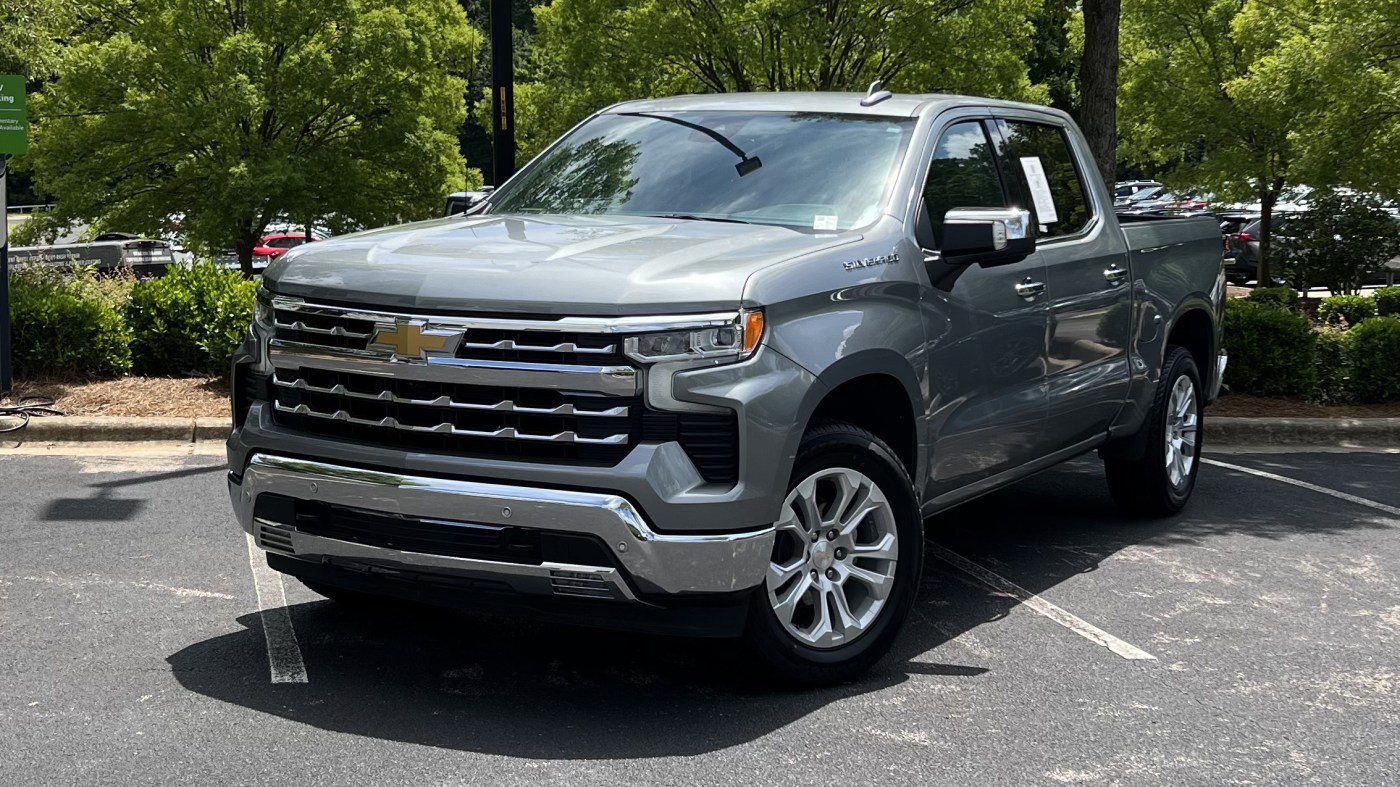
The full-size pickup truck segment is a constant battle of “keeping up with the Joneses,” except in this case the Joneses are the other new trucks on sale. Most of the half-ton offerings these days are overwhelmingly similar, except for marginal increases in towing capacity or lightly updated interiors with the latest tech just to attempt to remain ahead.
When the current generation Chevrolet Silverado came out for 2019, aside from bold new styling, there wasn’t much to write home about. There weren’t any radical new powertrain choices or special new features, and the interior looked and felt largely like a carryover of the outgoing truck.
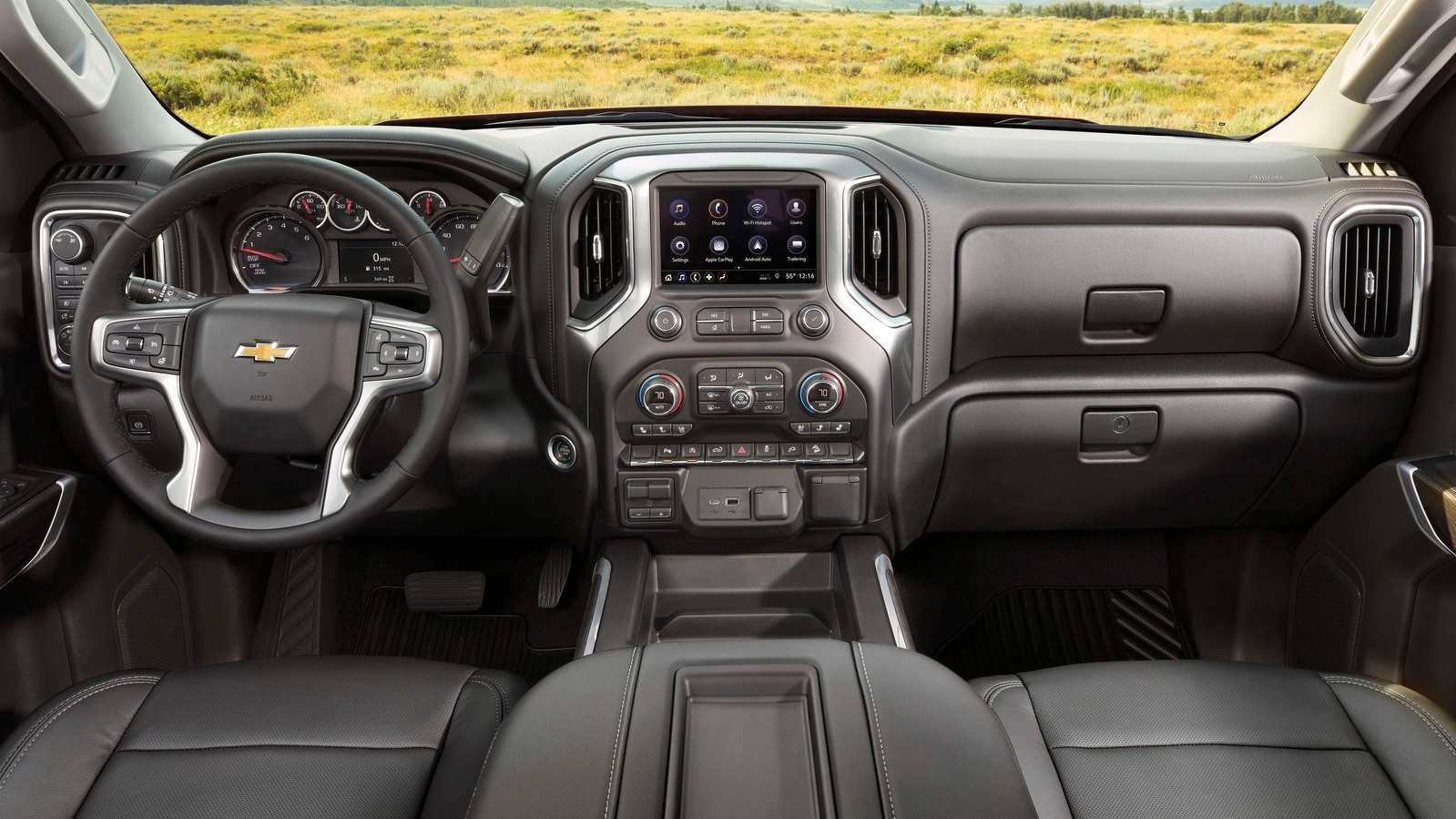
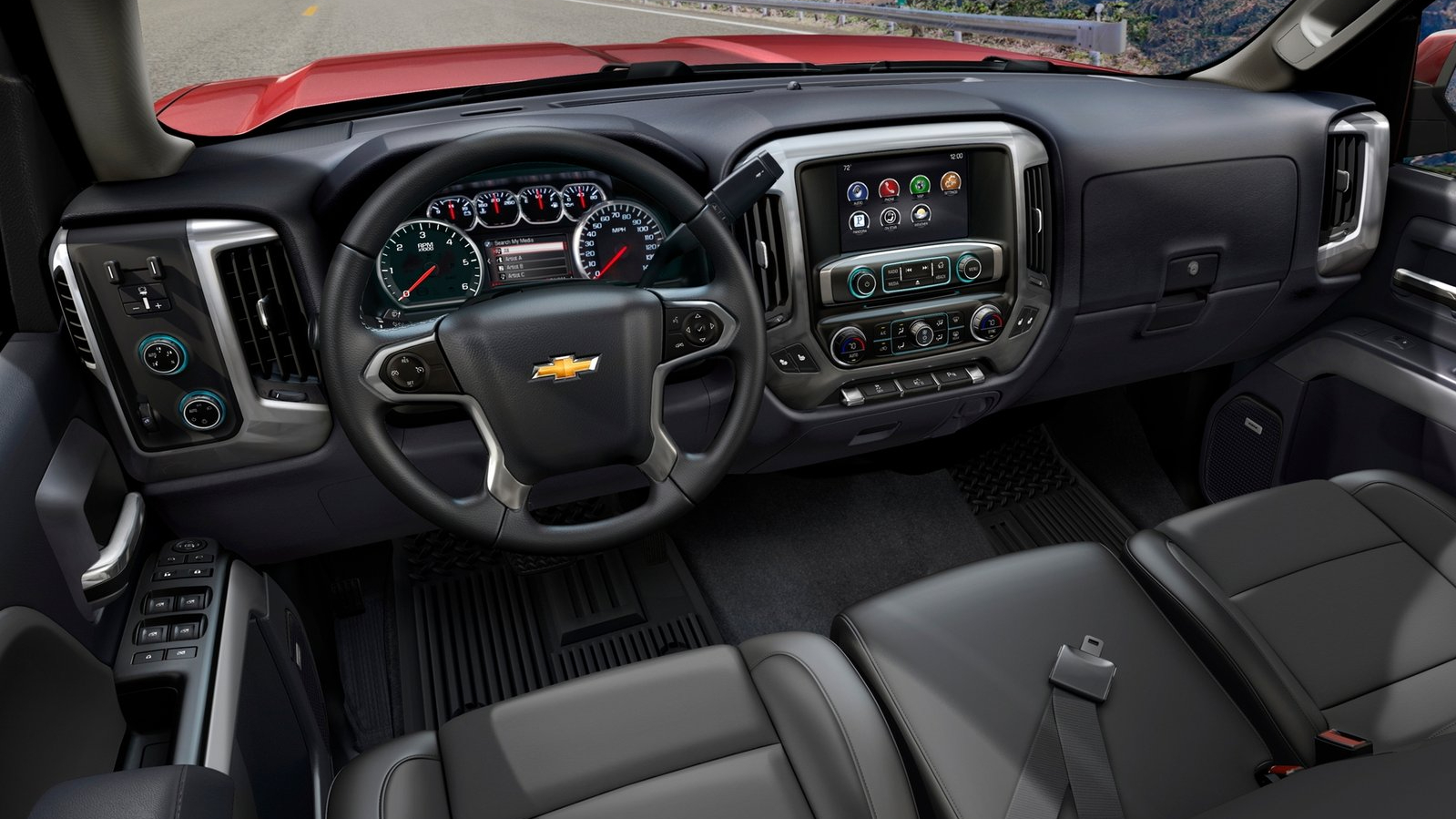
2019 Silverado 1500 interior (left) vs. 2014 interior (right)
For the mid-cycle refresh of the GMT T1XX Silverado and GMC Sierra in 2022, however, GM clearly realized it was behind and gave the trucks an entirely new interior that rivaled the fancy new Ford and Ram half-tons that everyone had been swooning over. There’s a catch, though: it’s only included on the LT trim and above, meaning the base Work Truck and Custom trim Silverados have to make do with the older design, presumably for cost cutting purposes.
Having spent considerable time in two super-base-spec U-Haul rental Silverados over the last couple years, I honestly didn’t hate the rest of the truck. There were actually quite a few things I liked about it, but this upgraded LTZ I’m testing now makes it feel like a much more complete package.
In the world of Chevy trucks, LTZ stands for “Luxury Touring Z” (if you don’t believe me, Google it), which compared to the lesser trims essentially just means leather and chrome. I’m not sure what the Z has to do with either of those things, but I do know they’re particularly keen on the letter, since it appears in all of the Bowtie brand’s more special offerings, like the Silverado ZR2 and Corvette ZR1.
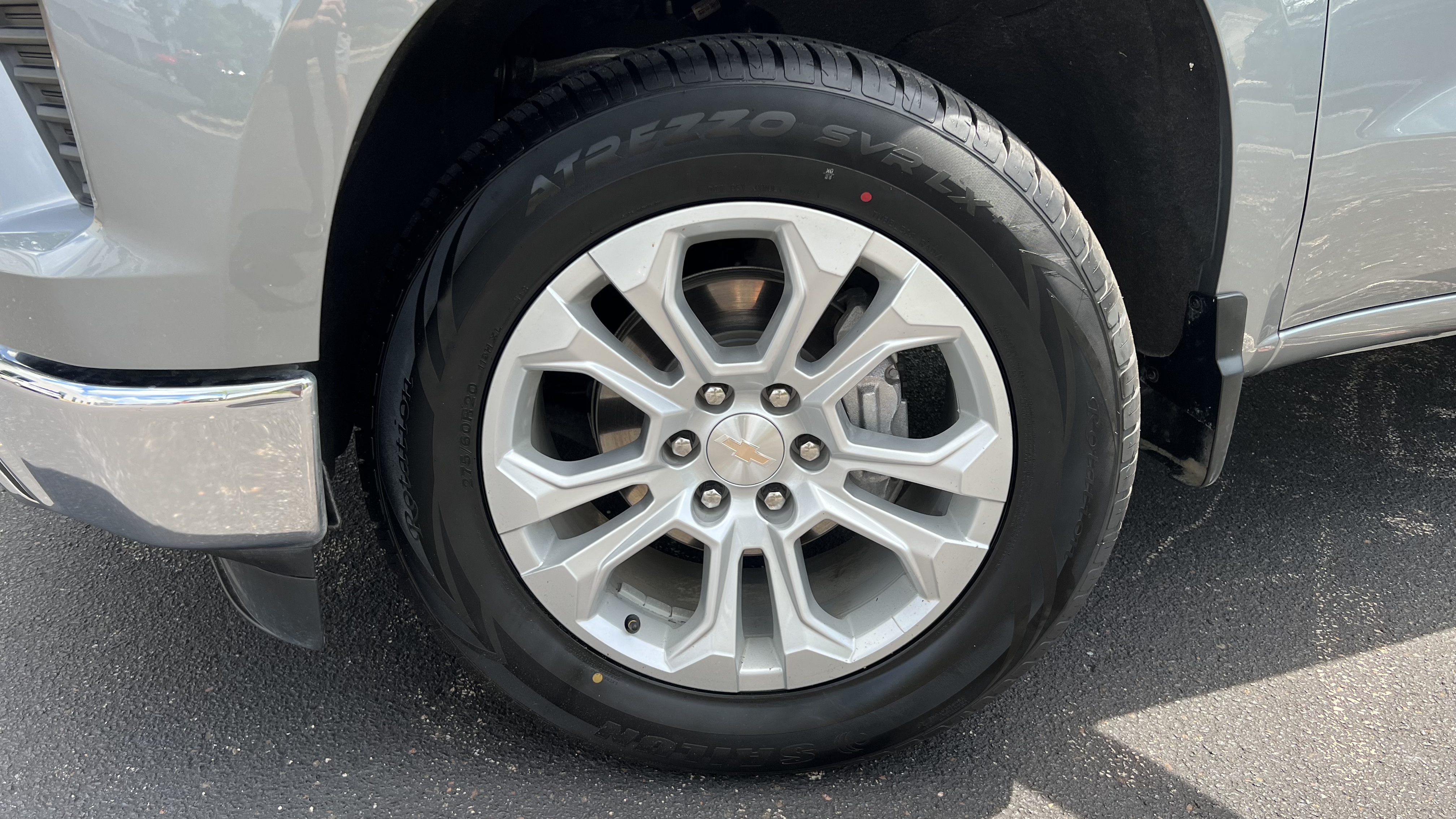
All versions of the Silverado received a mildly revised front end design for 2022, with grille and bumper variations throughout the lineup as expected. The LTZ features a horizontal chrome affair flanked by full-LED headlights, with fog lights hidden down below, surrounded by — you guessed it — more chrome. Around the side, the standard silver 20-inch wheels fit the appearance of the truck well; I don’t find them too garish like the 22s on higher trims. No Silverado features power running boards as standard, even the LTZ or top-end High Country, though they are optional.
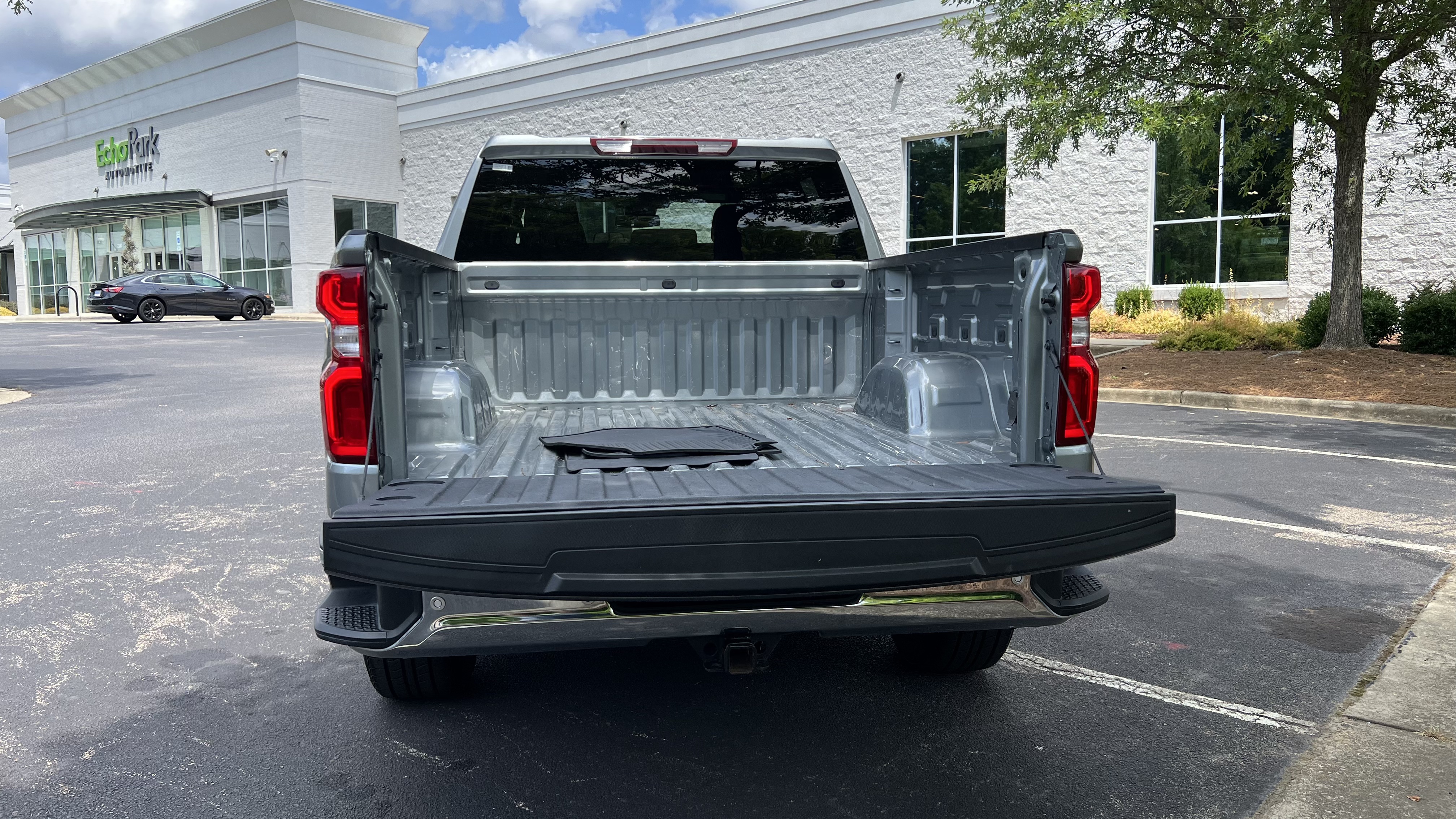
Good news if you want to more easily get into the bed, though, as one of the current Silverado’s signature design points is a pair of steps built into the rear bumper corners. Out back you’ll also find a tailgate that’s powered in both directions if you opt for the standard design. GM’s “Multi-Flex” tailgate is optional, which adds an additional folding mechanism for even greater practicality and ease of entry, but you lose the power functionality. Whereas most half-ton trucks offer a choice of 5.5-foot and 6.5-foot bed lengths with their Crew Cabs, the Silverado’s “short” bed option is actually closer to 6 feet, at just under 70 inches long. The longer box is actually a couple inches ahead of 6.5 feet as well.
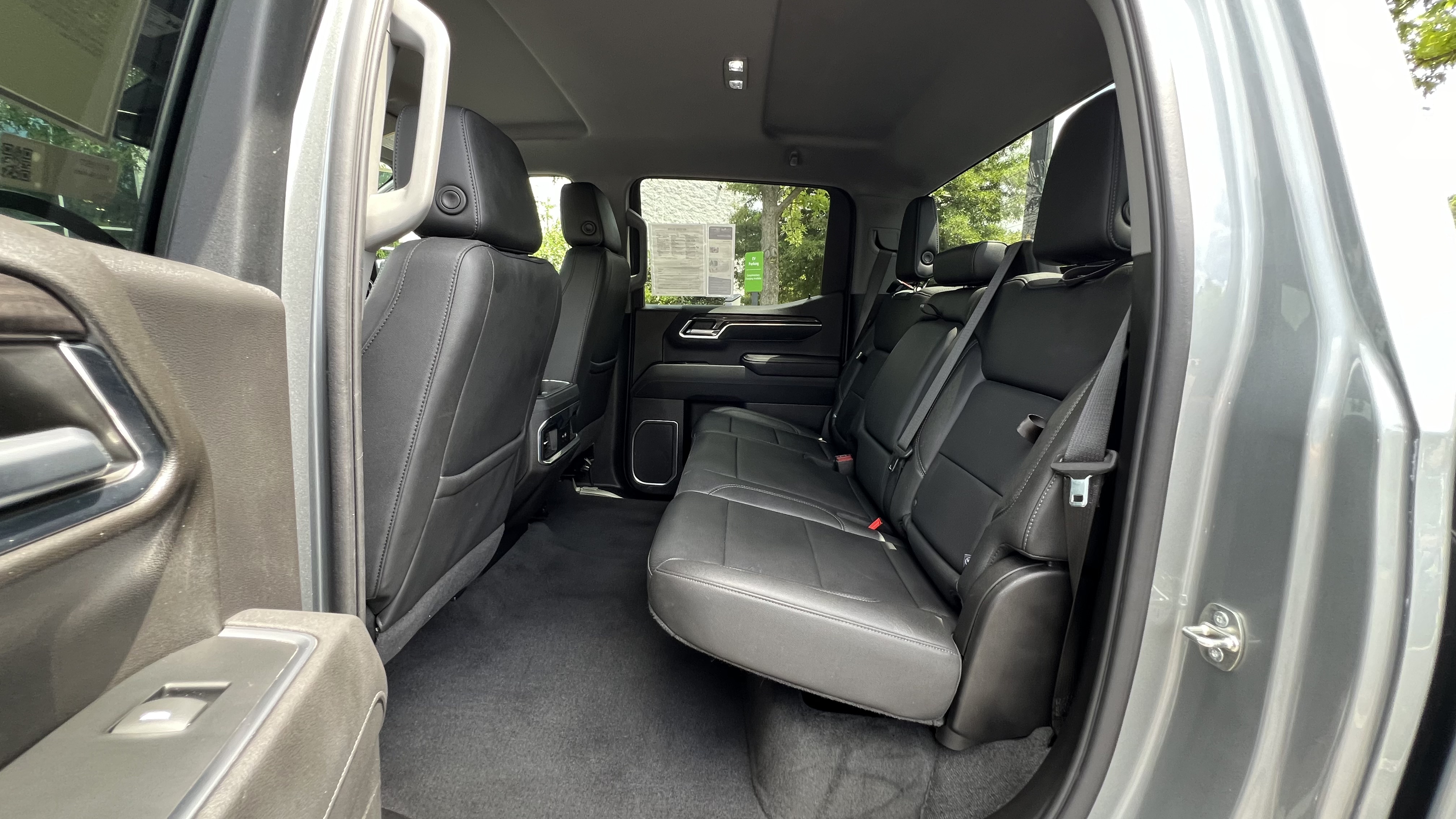
Speaking of the Crew Cab, rear legroom is right in the middle of the segment at 43.4 inches. That’s two inches less than the Ram 1500, but two inches greater than the Toyota Tundra, and within a couple tenths of the Ford F-150. The Silverado LTZ’s rear seat features a couple USB charge ports and cupholders, but nothing extraordinary for passengers. The bench seat is stiff but comfortable however, and the leather and faux wood trim provide an upmarket feeling. There’s no dedicated under-seat storage like most pickups, but the seat backs feature unique cubbies instead.
Moving up front, you see where the Silverado finally shines. From a screen point of view, GM has been nailing it lately. The 12-inch digital gauge cluster offers four different configurations, and the new 13.4-inch infotainment screen is a huge step up. Aside from wireless CarPlay, the central display features Google built-in, so you don’t necessarily have to use your phone for a good mapping experience. Google Assistant is also on board, meaning the voice command functionality is actually usable. I wish the otherwise excellent gauge cluster displayed your map as some others do, and this particular truck is missing a wireless phone charger due to the chip shortage, but that’s really not the end of the world.
As for the rest of the interior, you’ll find a largely simple and ergonomic layout, as well as a design that’s a huge improvement from the pre-refresh trucks, both in visual appeal and material quality. A few things carry over, but they’re all positive. The front seats are quite firm, but in my previous U-Haul rental truck miles, I never found them to be uncomfortable. The driving position is quite low compared to other trucks, which could be a good thing depending on personal preference. The steering wheel is also identical to the pre-facelift Silverado, but now features paddle shifters (intended for towing) since the new console-mounted electronic shifter doesn’t feature buttons like the column shifter used to.
A few key buttons that I appreciate include the LTZ’s cooled seats, heated steering wheel, and easily accessible controls for the driver assistance tech. Blind spot monitoring, lane keep assist, and forward collision warning are actually standard all the way down to the base Silverado, as well as automatic high beams. By far my favorite button, however, is the one that allows you to roll down all four windows with a single press; closely rivaled by the Toyota Tundra’s roll-down rear window.

The Silverado offers four different engine choices, so there’s something for every driver. The two V8 options are tried-and-true; the new TurboMax four-cylinder is proving itself surprisingly well; and even the 3.0-liter turbodiesel is impressively smooth despite being somewhat slow. The LTZ’s standard 5.3-liter V8 tows up to 11,300 pounds, but even the 2.7-liter turbo-four can handle 9,500, which for most realistic half-ton buyers is plenty, and gets better fuel economy than the old gas V6. The 5.3 is probably the sweet spot of the lineup, though. It’s well known to be a reliable, long-lasting engine, produces adequate power figures, and realistically isn’t that far behind the TurboMax in terms of efficiency.
No Silverado is going to offer sports car-like driving dynamics; not even the ZR2. (It is worth noting that the LTZ as tested is a full 400 pounds lighter than the Tesla Model X I just reviewed, however!) Personally, I like the Silverado’s low driving position, and find the brake pedal feel to be excellent. Sitting low does produce some rather large blind spots, so just be cautious of that. There’s nothing remarkable in terms of ride quality, but that’s also not a bad thing.
Honestly, that applies to the Silverado as a whole — it’s not the class-leader in really any aspect, but thanks to the updated interior it’s now the most well-rounded option. One last consideration too: value. A brand-new LTZ as equipped is in the mid-$50,000 range, and this particular example secondhand is barely over $40,000 with only 25,000 miles. For the jack-of-all-trades truck with a great interior and feature-set, I think that’s a pretty strong proposition, and you can forgive it for being a master of none.
| Vehicle Tested | 2023 Chevrolet Silverado 1500 LTZ |
|---|---|
| Color | Sterling Grey Metallic / Jet Black |
| Drivetrain | 5.3L N/A V8, 10-spd automatic, Rear wheel drive |
| HP / Torque | 355 horsepower / 383 lb-ft |
| Curb Weight | 4,860 lbs (est.) |
| Towing Capacity | 11,300 lbs |
| 0-60 mph | 6.1 seconds (est.) |
| EPA Fuel Econ | 17 city / 21 hwy / 19 combined |
| MSRP | $57,200 (est.) |
 Also Andrew
Leave a comment