
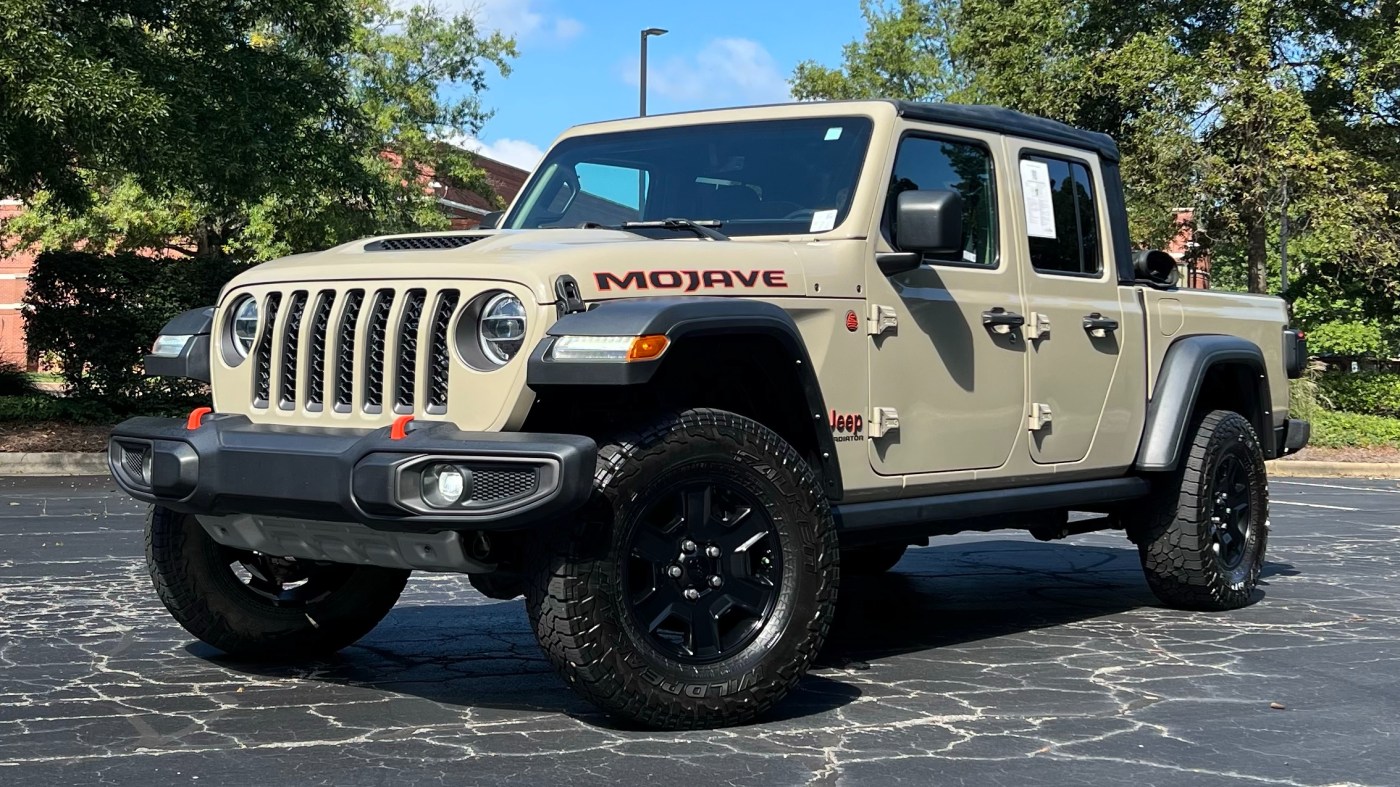
Over the last few years, it seemed like Jeep was finally listening to what its fans have wanted over the past decade. They put a factory HEMI V8 in the Wrangler with the Rubicon 392, and brought back a pickup to the lineup with the Gladiator.
At launch and for a few years after, the Gladiator (or JT, for Jeep Truck) was overwhelmingly popular and followed the Wrangler traditions of lacking dealer discounts and holding value incredibly well on the used market. They didn’t need any incentives to move them, until 2023 when Gladiator sales begun rapidly declining. At one point, you could find Gladiators hanging out with up to $20,000 on the hood, and Jeep now even lists an automatic 10% discount on its own website. But how did we end up here?
Ultimately, the Gladiator’s customer base is primarily limited to people who are already Jeep fans or loyal customers. I’m not really one of those people, and while I can’t deny the Gladiator is still cool (come on, it’s the only convertible pickup truck on sale!), it’s hard to ignore its weaknesses. After the first few years, I suspect the clientele has naturally shrunk as those who really wanted one and were able to afford one now already have one.
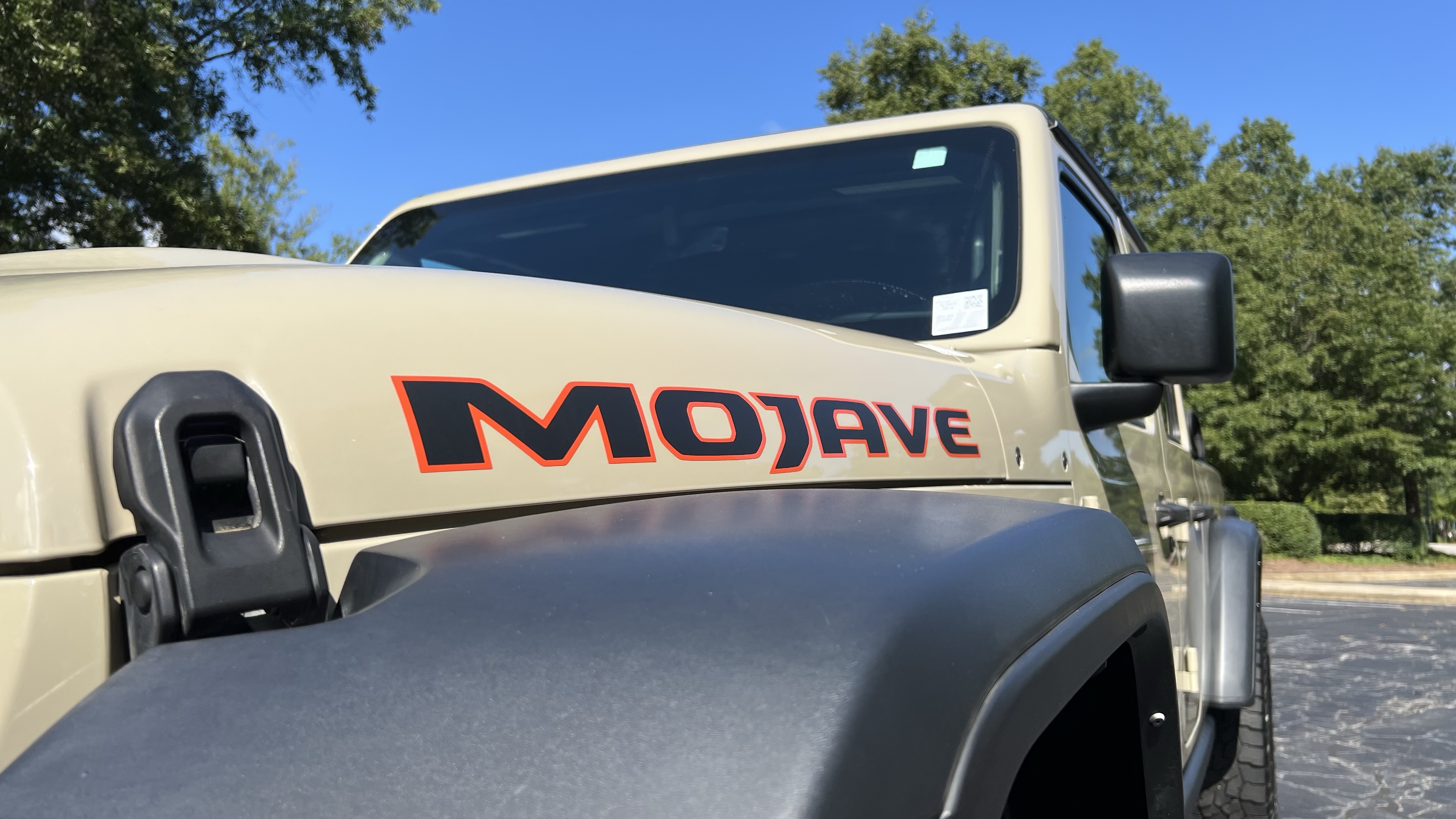
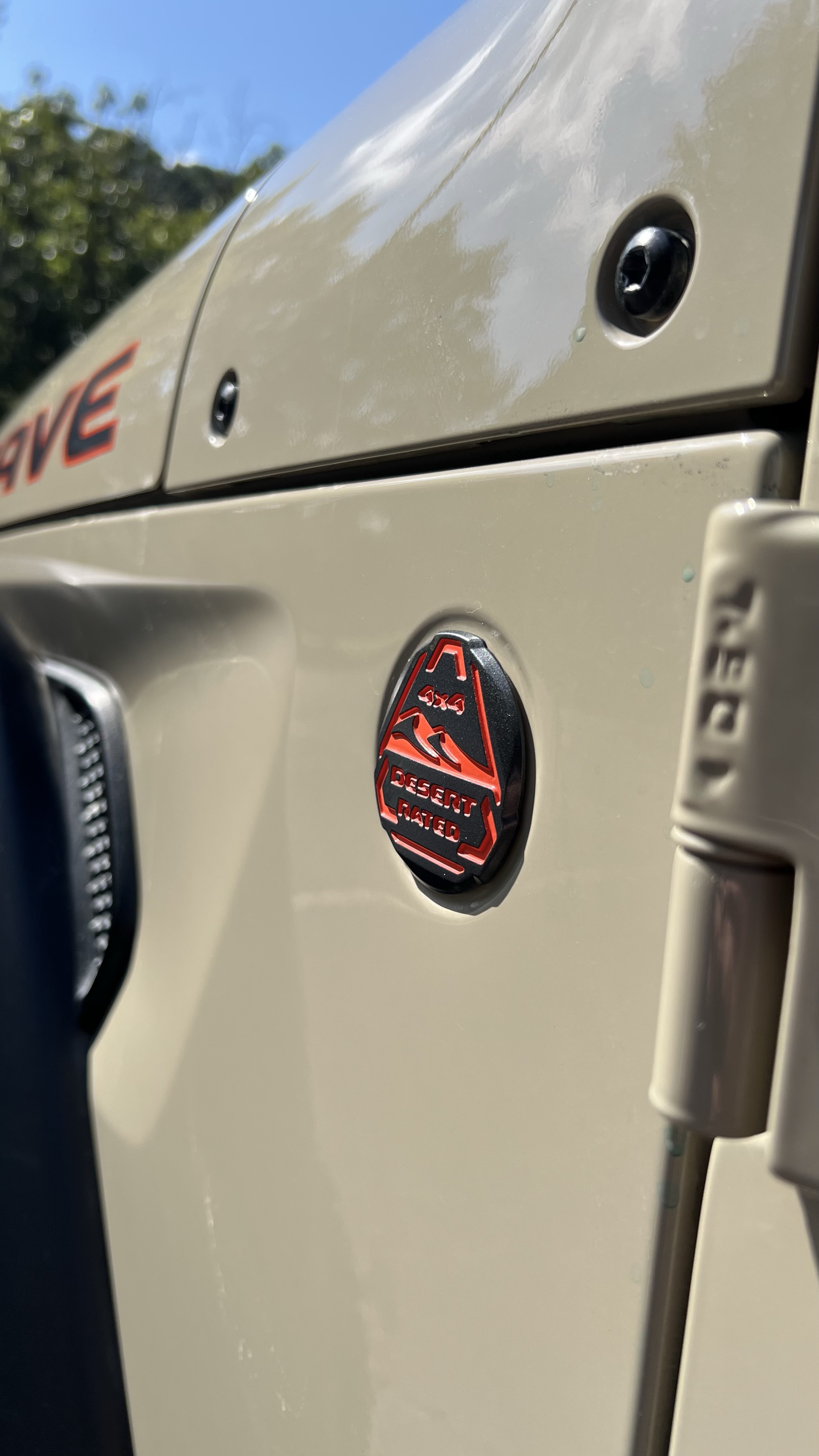
The Mojave trim shares the top spot of the Gladiator lineup with the Rubicon and is billed as the only “Desert-Rated” Jeep, in contrast to the typical “Trail-Rated” badge. Standard equipment includes 33-inch Falken Wildpeak A/T tires on unique black 17-inch wheels, Dana 44 Wide axles, and FOX 2.5-inch internal bypass shocks with external reservoirs (providing a one-inch increase in ride height over other models). Exclusive to the Mojave is the ability to lock the rear axles at high speeds when in 4H mode, and of course plenty of orange accents inside and out. My tester is also finished in the limited-edition “Gobi” paint color, also known as tan.

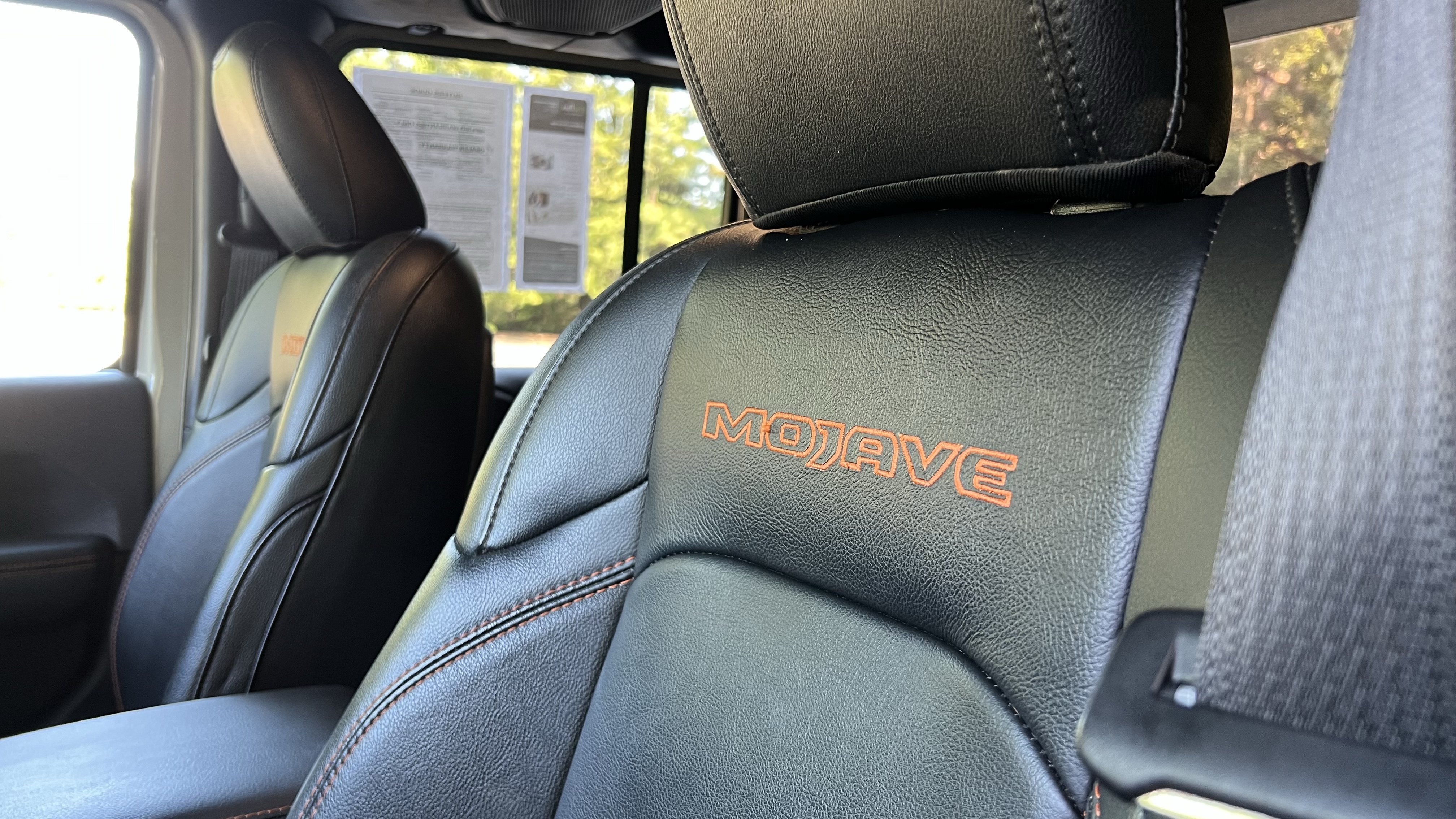
Inside, the Mojave’s nearly $50,000 starting price and nearly $60,000 as-tested MSRP don’t show particularly well. It seems Jeep has adopted the Porsche strategy of making just about everything an option even though you’d expect otherwise for the price tag. Leather seats are extra, as are heated seats and remote start. On the outside, LED lighting is an optional package, and even if you pay for that one, you still don’t get automatic high beams — those are separate. And so is blind spot monitoring, something you’ll find standard on econo-box Toyotas for half as much money.
Luckily though, the leather seats I just mentioned are what Jeep says is a special material “engineered to withstand the hottest climates.” Nevermind that you couldn’t even get the front seats powered until the 2024 model year. Value has never been the Wrangler or Gladiator’s strong suit, and I think they’re finally noticing. (Now if only they could realize there’s absolutely no reason for the Wrangler 392 to be $90,000.)
To the Mojave’s credit, it’s one of the better riding Gladiators as a result of being setup for higher-speed off-roading rather than primarily rock crawling like the Rubicon. It’s still firm, but soaks up big bumps and potholes without being too jarring. While the overall driving experience is expectedly more refined than the 20-year-old TJ I reviewed earlier this year, any new Wrangler or Gladiator unfortunately still isn’t super pleasant at highway speeds. The upright windshield still results in excess wind noise, the seats aren’t very comfortable for long distances, and the nature of recirculating ball steering rather than rack-and-pinion requires far more constant adjustments to the wheel than most drivers are used to.
In any trim, the Gladiator is also fairly slow. In the Mojave, the only engine choice is Chrysler’s 3.6-liter Pentastar V6, producing 285 horsepower and 260 lb-ft of torque in this application. The optional eight-speed automatic will almost certainly be quicker than the six-speed manual, clocking a 0-60 time of just over 8 seconds, though it’s cool you can still opt for a stick.


It’s worth noting the manual also lowers the max towing capacity by 1,500 pounds. Speaking of which, the automatic Mojave’s 6,000 pound rating is only a few hundred shy of the Toyota Tacoma’s top figure. Unfortunately, traditional midsize truck buyers will likely be disappointed by the Gladiator’s relatively shallow bed and lack of standard utility appointments in the box.
After a couple hours behind the wheel, I get why the JT is popular with Jeep people. In fairness, it’s not hard to see that without driving one. But once you do, it’s also extremely difficult to ignore the downfalls if you’re not already an enthusiast. If you need typical midsize truck usability, there’s no reason to deal with the shortcomings of the Gladiator, especially when the competitors’ off-road-ready trim levels aren’t really any more expensive than a fully-loaded JT and are going to feel like luxury cars in comparison.
If you are an enthusiast though, now might be a great time to pick up a Gladiator. There’s tons out there with hefty discounts brand new and even used Mojaves and Rubicons like the one I drove can now be found in the high-30s to low-$40k range.
| Vehicle Tested | 2022 Jeep Gladiator Mojave |
|---|---|
| Color | Gobi Clearcoat / Black Leather |
| Drivetrain | 3.6L V6, 8-spd automatic, Four wheel drive |
| HP / Torque | 285 horsepower / 260 lb-ft |
| Curb Weight | 4,950 lbs (est.) |
| Towing Capacity | 6,000 lbs |
| 0-60 mph | 8.2 seconds (est.) |
| EPA Fuel Econ | 17 city / 22 hwy / 19 combined |
| MSRP | $59,760 |
 Also Andrew
Leave a comment