

Since 1997, the Toyota Camry has been the best-selling sedan in the U.S. every single year except one. In the last few years, crossovers like the RAV4, Honda CR-V, and Tesla Model Y have outsold the Camry, but as other sedans continue to go away, the Camry is firmly here to stay.
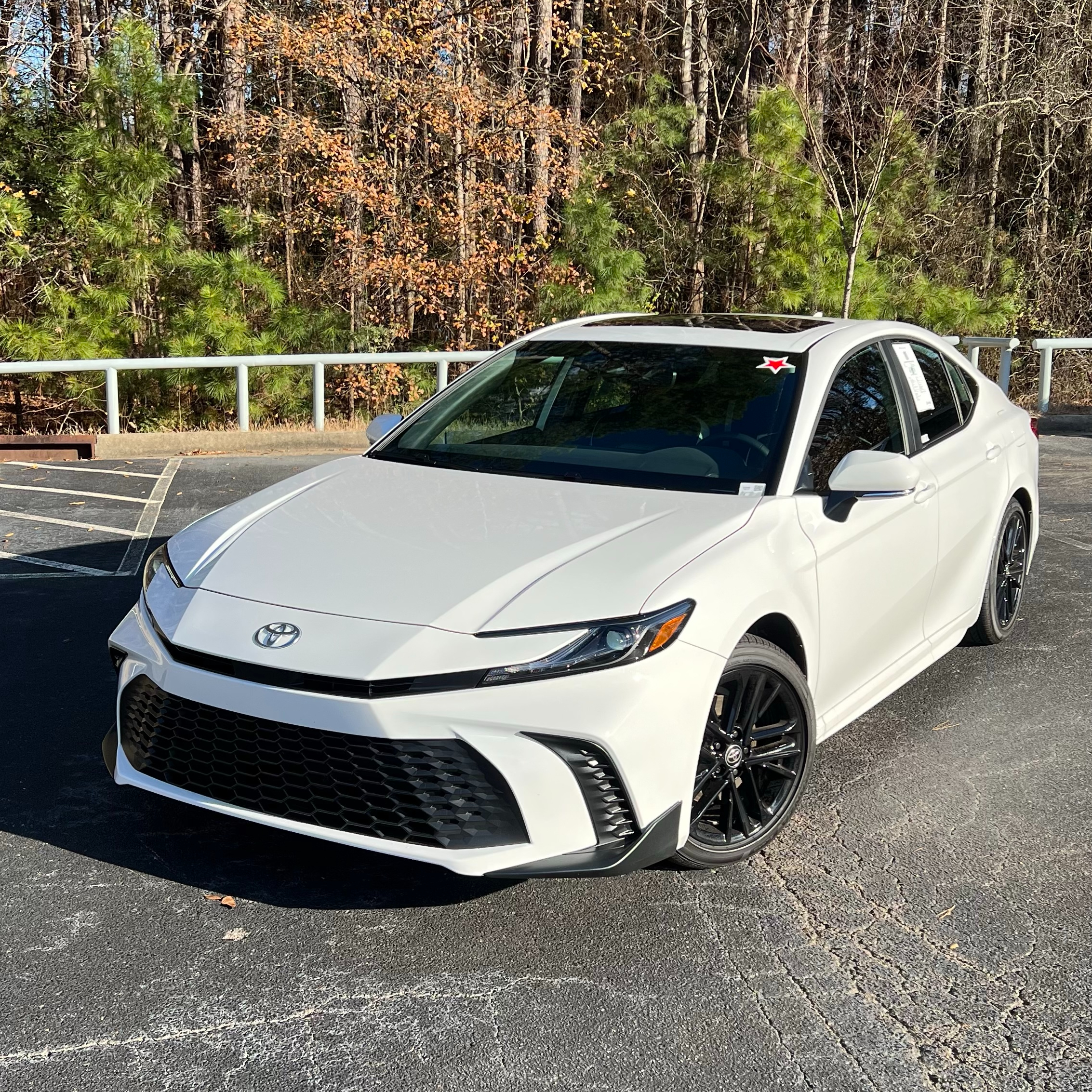
For 2025, the Camry receives an update that Toyota claims is an all-new redesign, as long as you don’t include the entire middle 2/3rds of the sheet metal. Technically, new front and rear ends plus a new interior is more than just a facelift, but the underpinnings of the car also remain largely the same as they have since 2018. That’s not a bad thing, though; I still thought the Camry was a fairly attractive car, and Toyota has spent their time upgrading the things that frankly matter more: the cabin and powertrain.
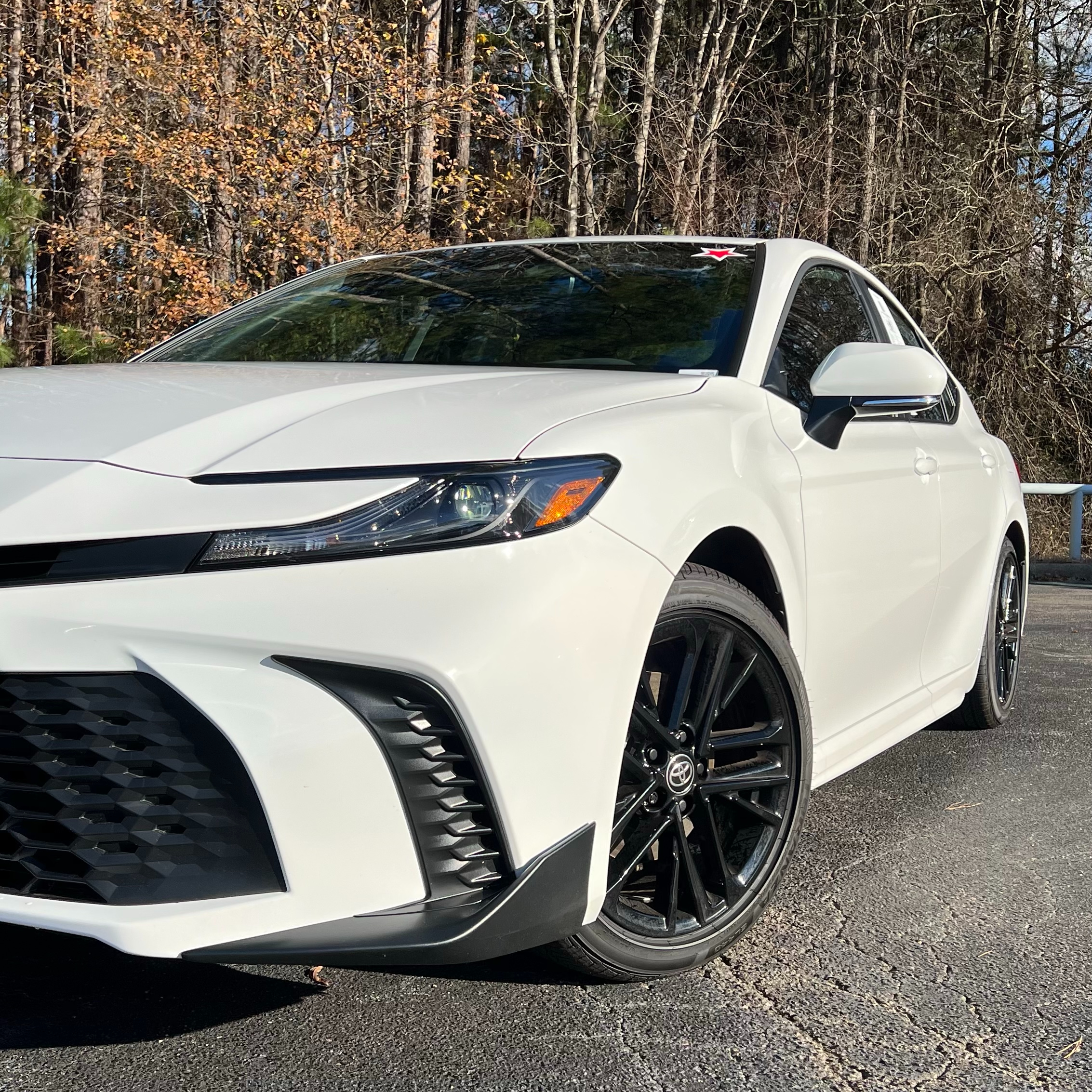
Just like before, the Camry features a slightly different grille/bumper design depending on trim level, and I find the SE’s to be the most attractive; the top-end XSE features the same shape but with a painted mesh insert, which I haven’t loved with any paint color I’ve seen so far. The headlights on all trims mimic the shape of the new Prius and Crown Signia. Side profiles remain virtually identical to pre-refresh, including the doors and roofline, but the rear windows are slightly different shape and the wheel designs are new. Around back, you’ll find new taillights and the reduction of two exhaust tips from last year.

One big change I touched on is the powertrain updates for 2025. As of this year, the Camry only offers one engine choice: a 2.5-liter four-cylinder mated to a pair of electric motors on the front axles. This combo puts out 225 horsepower in the case of front-wheel-drive models, or 232 if you opt for all-wheel-drive, which adds an additional motor out back (another new item). Toyota doesn’t typically release total torque figures for their hybrids, but the gas engine by itself produces 163 pound-feet. FWD models should do 0-60 in 7 seconds flat, with AWD knocking off a couple tenths.
While it’s sad there’s no more six-cylinder engine option, the non-hybrid four-cylinder won’t be missed too much. While the hybrid-only 2025 lineup doesn’t offer as much straight-line performance as the trusty 3.5-liter V6, it offers a significant boost over the outgoing hybrid models. Fuel economy is also improved across the board. On paper, the most efficient Camry is of course the base front-wheel-drive LE trim, coming in at 53/50 MPG city/highway. The SE is slightly less efficient at 48/47, and adding all-wheel-drive yields a decrease of one to two MPG on any trim. Either way, the new Camry boasts nearly identical figures to the smaller Corolla hybrid and is only just behind the Prius in efficiency.
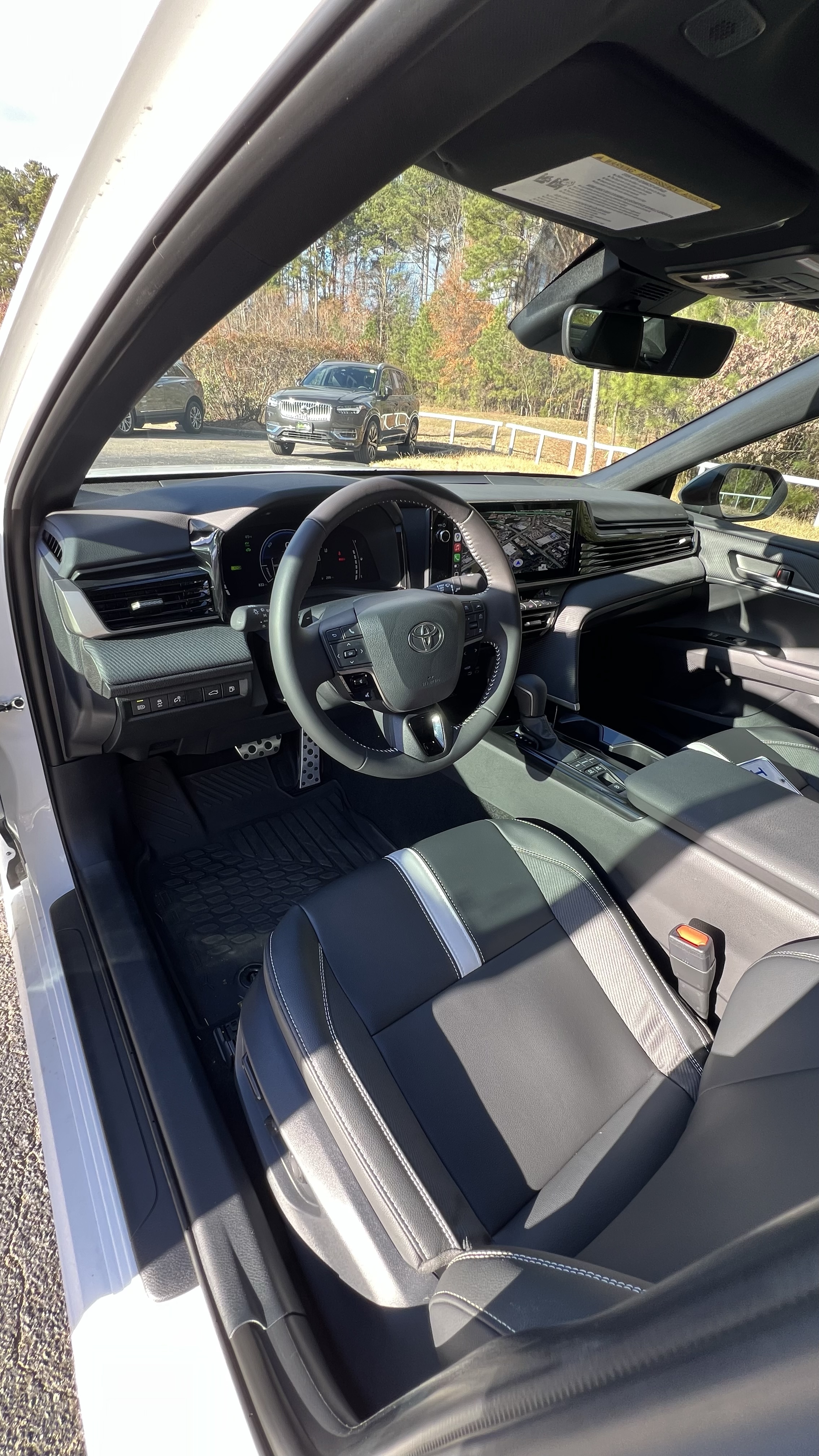
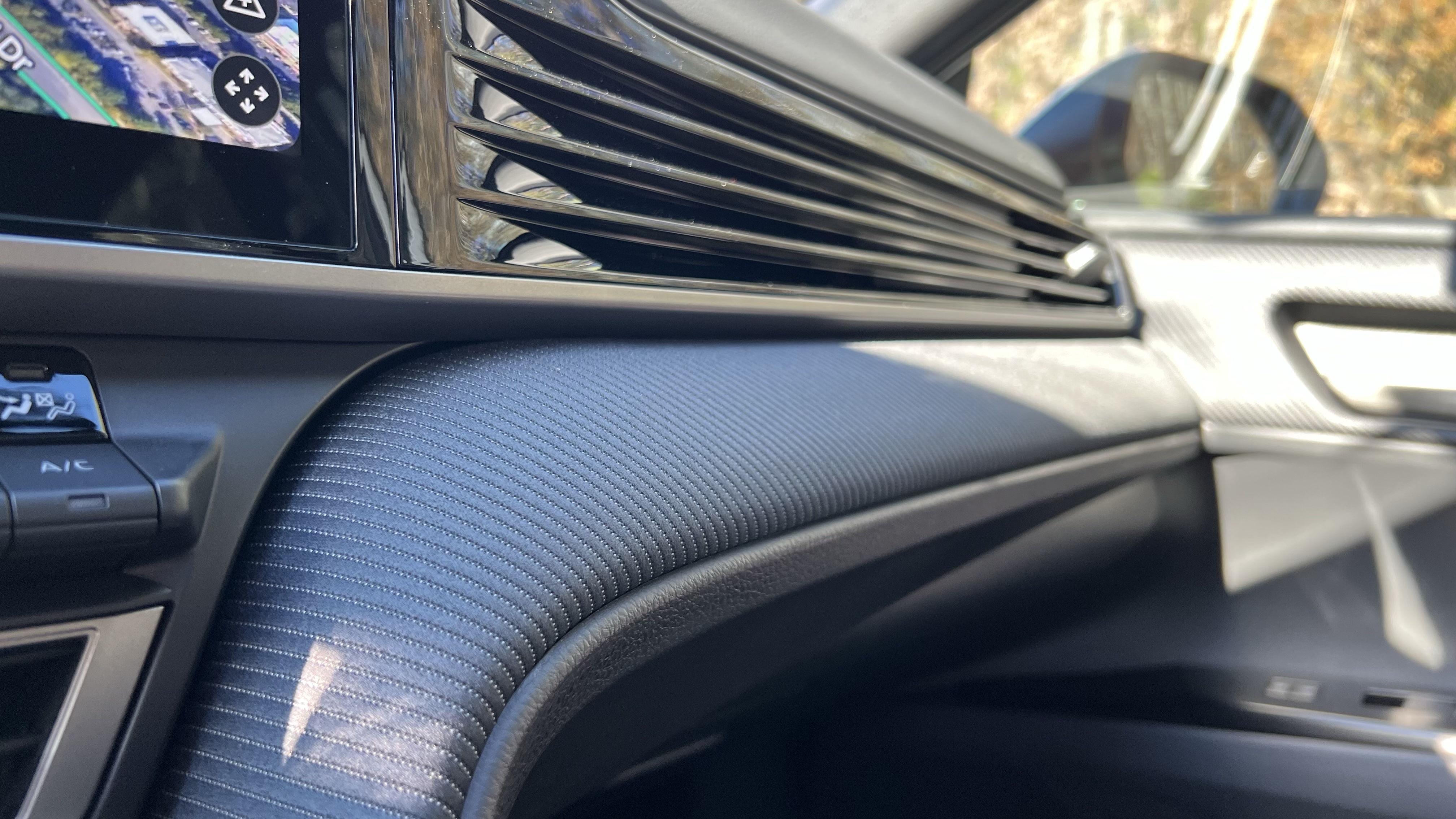
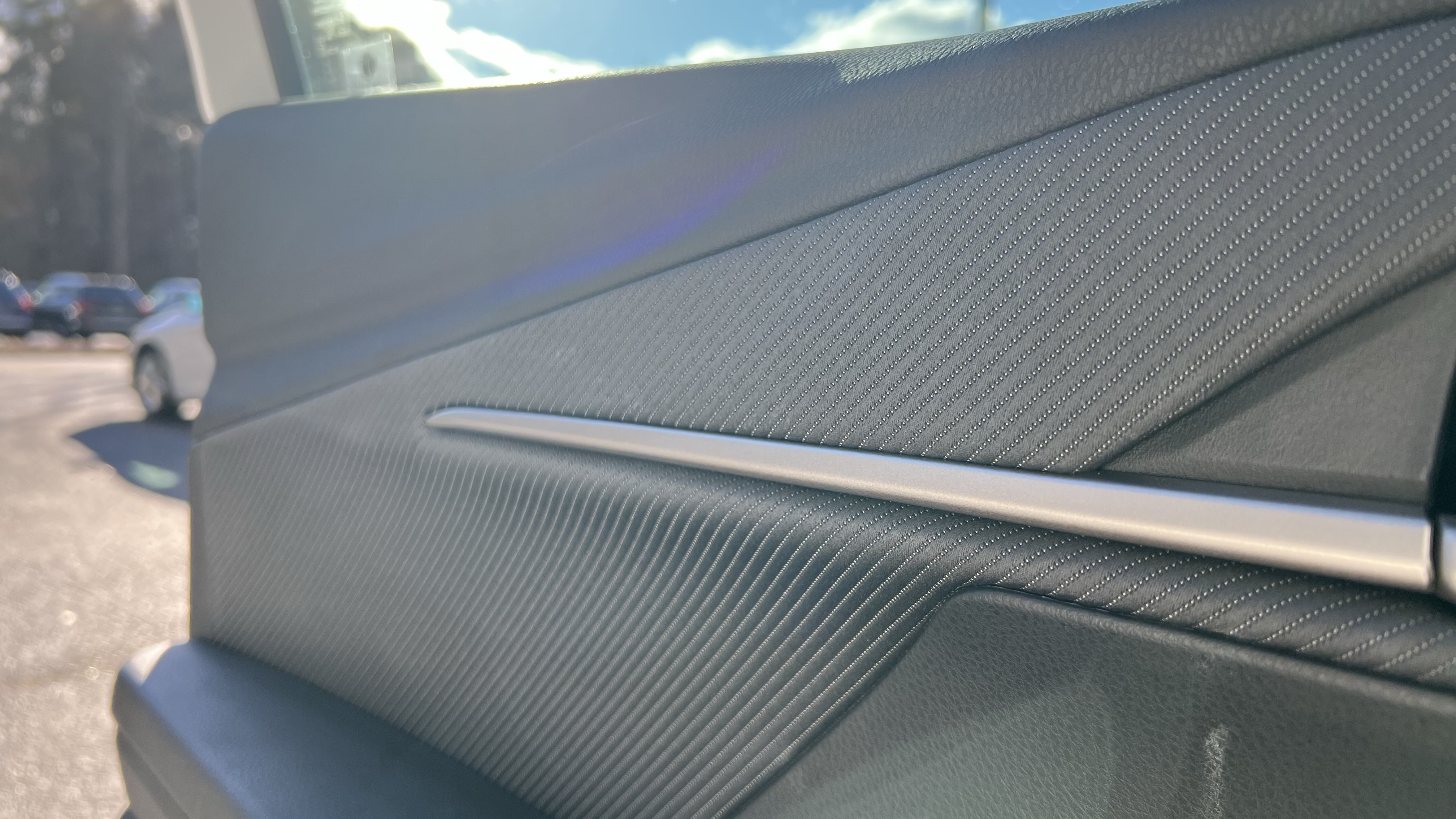

Hopping inside, the 2025 Camry’s other big update is immediately apparent. The cabin is almost entirely different this year — with the only big exceptions being the gear shifter, steering column stalks, and rear door panels. Just like the exterior, the interior design has been brought more in line with the Crown, Prius, and other recently updated models. It’s also noticeably nicer in terms of materials, with a blend of accent trims made from textured fabric, silver metal, and gloss black plastic.
This year, the SE trim gets upgraded to SofTex seat upholstery as standard and ditches the turn-key ignition, though most of the fancy features are still optional. My tester adds about $2,200 to the $30,700 starting price and features the Convenience Package, moonroof, and Multimedia Upgrade Package with the new 12.3-inch infotainment display. As I’ve discussed in my reviews of the current-gen Tundra, Toyota’s latest software has a clean, simple layout but lacks a split-screen view and forces you to pay a subscription for built-in navigation. Luckily, wireless Apple CarPlay and Android Auto are present. For 2025, blind spot monitoring and dual-zone climate control are also now standard on all trims.
Aside from being quicker off the line than last year’s hybrid models, the Camry drives exactly how you’d expect. It’s soft and compliant, the seats are rather comfortable, and the steering provides virtually no feedback (though it is perfectly responsive). Handling leaves plenty to be desired, but come on, it’s about the farthest thing from a GR86.
Overall, it’s still an excellent daily driver and/or family sedan, and clearly the general buying public agrees. Personally, I think the SE is the sweet spot of the range: good looks, plenty of features, and reasonably affordable. I can’t wait to see tons of them running around in a couple years with dents in the corners of the rear bumper as is the Camry way.
https://www.echopark.com/car/4T1DAACK8SU515661
| Vehicle Tested | 2025 Toyota Camry SE |
|---|---|
| Color | Ice Cap / Black SofTex |
| Drivetrain | 2.5L I-4 hybrid, e-CVT, Front wheel drive |
| HP / Torque | 225 horsepower (comb.) / 163 lb-ft (eng. only) |
| Curb Weight | 3,500 lbs (est.) |
| 0-60 mph | 7.0 seconds (est.) |
| EPA Fuel Econ | 48 city / 47 hwy / 47 combined |
| MSRP | $34,000 |
 Also Andrew
Leave a comment