
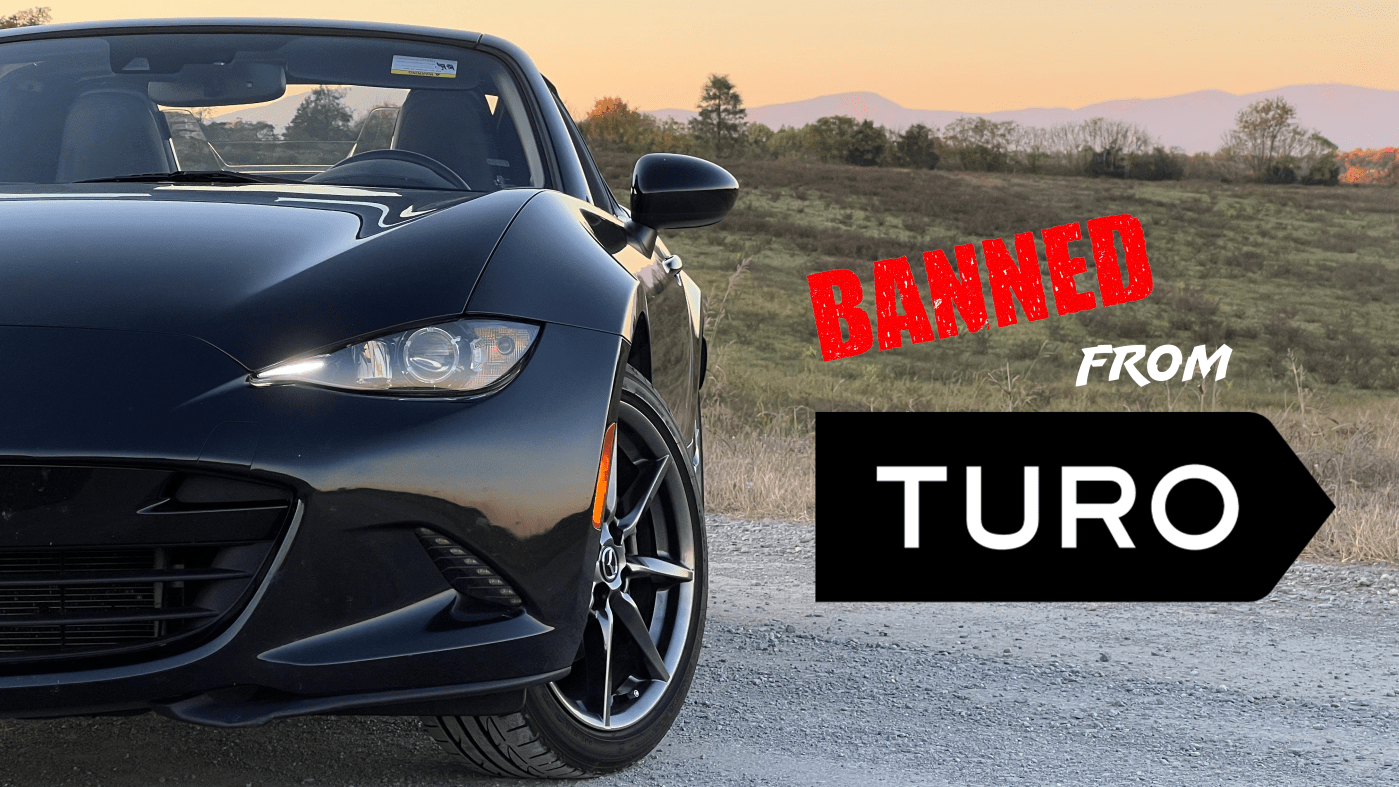
It’s only been about three months since I filmed a video talking about the first six (well, really seven) months of renting out my Mazda Miata RF on Turo. The general conclusion of that video was that so far the experience had been mostly positive. However a lot can change in 90 days, and as it happens, that’s the case here.
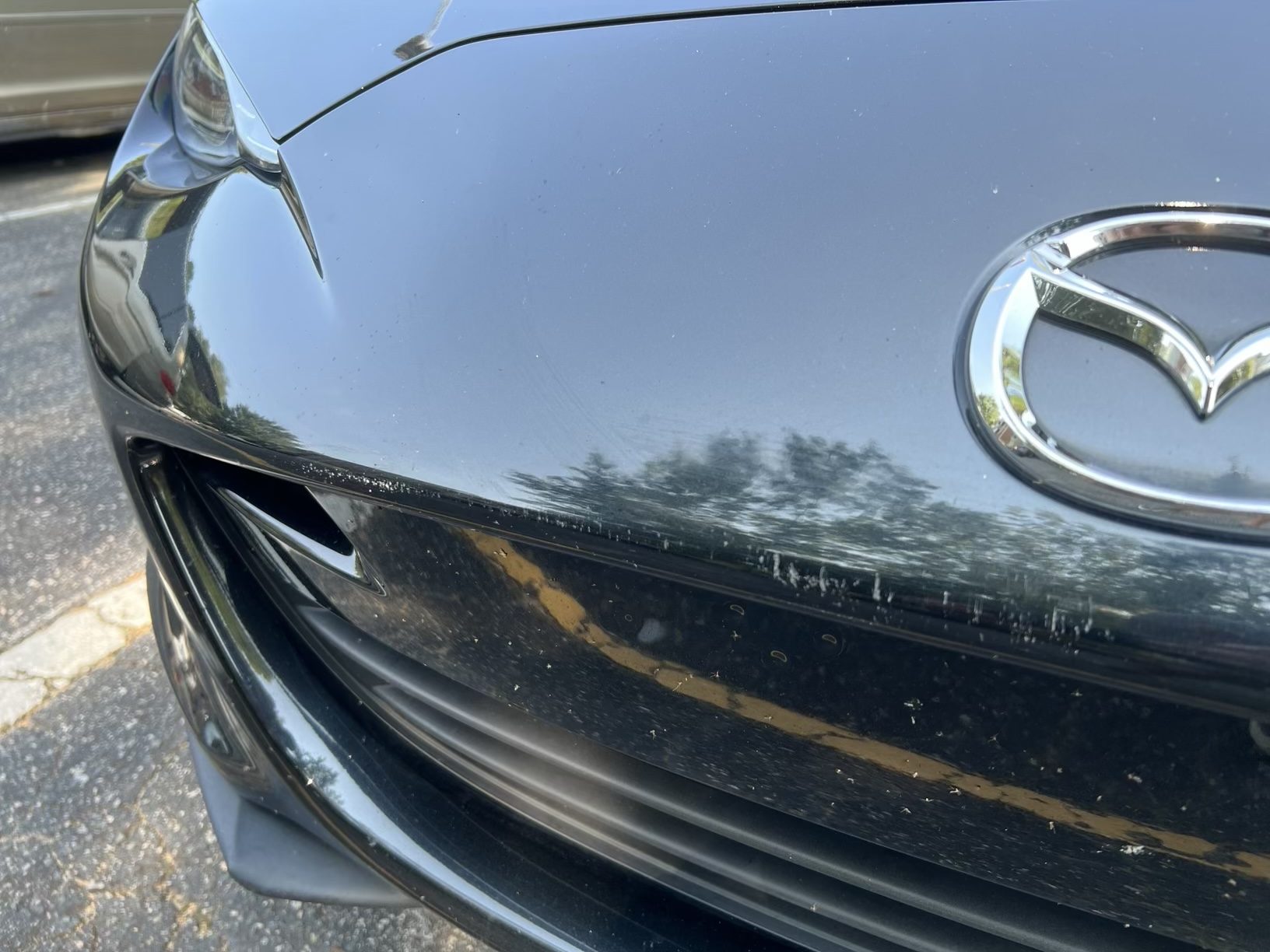
At the end of August, the car was damaged on two trips back-to-back. In my previous video, I briefly discussed damage claims and how I missed out on filing one for a broken air vent. That same guest became my first repeat renter and — of course — also damaged the car again. This time it was a little bit more major, though — a large scuffed section on the top edge of the front bumper.
The claims process was fairly quick and simple. At the initial filing, Turo presents you with two options: resolve directly with the guest, or place the claim with your host protection plan. I’ve seen too many negative stories from hosts attempting the former so I opted to go straight for my protection plan. After all, as I mentioned in my last video, I’ve been paying for the highest level of coverage specifically because of this kind of potential situation.
After a couple days of review, Turo (or rather, the third party Snapsheet) issued a repair estimate based solely on the photos I provided. They decided I could repair the front bumper cover rather than replace it, which technically you could do, but it probably wouldn’t look very good since it’s made of plastic. A prompt payment was issued in the amount of $580 for said repair, but the estimate did note that I had 45 days for a repair shop to file a supplemental claim if needed. Ultimately, I planned to fix the bumper eventually, but didn’t schedule anything right away.

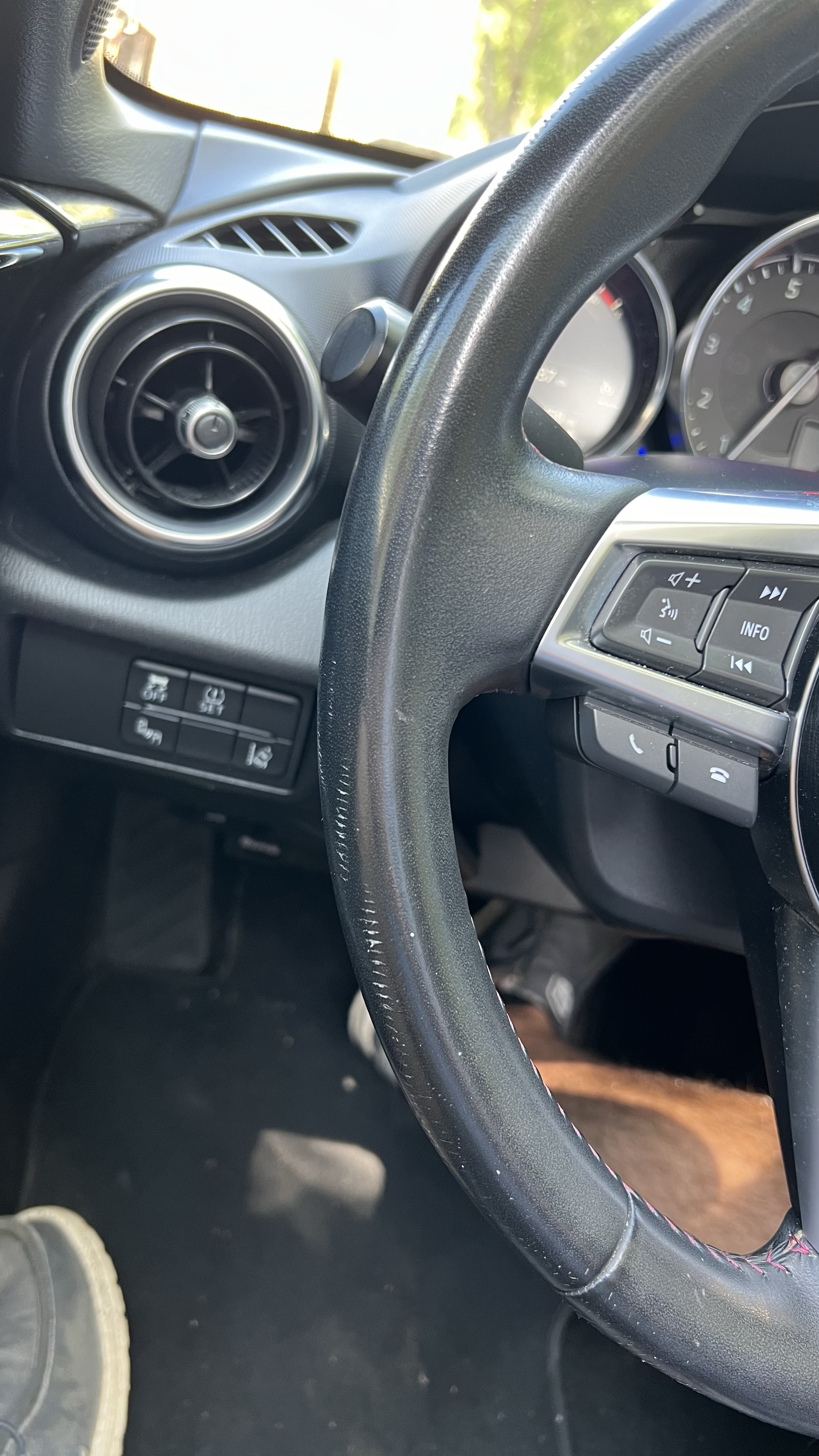
During some of this time, the Miata was actually out with another guest. And as luck would have it, that trip ended up turning into my second ever damage claim! This time, the car returned with extremely poor communication from the guest and small portions of the leather steering wheel torn up. I can only guess what would’ve caused this damage, and I suspect maybe a ring or something else worn on the driver’s hands, but I’m not entirely sure. The guest left a pamphlet in the car for the Maryland Renaissance Festival, so maybe they were wearing some sort of costume, jewelry, or something else related that could have scratched it up. Again, I can only theorize.
I was a little less satisfied with the claims process the second time. Not only did it take over a week this time around, the estimate only came back at $65. A DIY steering wheel re-trim kit online was almost double that price. If I wanted to fix this one, I would’ve certainly had to have a shop file a supplemental claim — there was no chance of me doing it myself to try to save a little money. The damage was mostly on the bottom and lower side sections of the steering wheel, so it wasn’t too noticeable and I decided to just leave it. On a positive note though, the claims rep this time was super nice and even called me several times to make sure I didn’t have any questions about the process — not something that happened at all the first time.


Shortly after all this, at the beginning of September, I made the unrelated decision that my Dodge Charger (my daily driver at the time) was going to be departing soon, and I was planning to daily-drive the Miata for a couple months as the weather was getting nicer (read: cooler) before also trading it in for something else. As part of this vehicle shuffle, I was already planning to be done with Turo hosting, at least for now. The Miata had just come back from a trip and I only had two remaining reservations, one in October and one in December.
As a host, one of your metrics is based on the number of trips you’ve cancelled. Typically, if you sell (or are planning to sell) a vehicle before all of the scheduled trips are completed, it’s advised to call Turo support, let them know you’ve sold it, and they should cancel the remaining reservations for you. Given that I only had two trips left and one was several months out, I opted to cancel the October booking and just snooze the car’s listing for the moment. I mainly wanted to keep the damage claims open for the aforementioned 45 day window, because at the time I hadn’t fully decided what I was doing.
What I didn’t realize was that cancelling that one trip was enough to bring my ratings down below the minimum threshold, and as a result, the system immediately shut down my account. I think I had cancelled maybe two trips prior to this, but apparently that was enough on a percentage basis and that was it for me.
Honestly I wasn’t really sad about my hosting journey ending like that, but what sucked was discovering I am also now banned from being a guest on Turo, which I don’t think is particularly fair. Yes, Turo fees tend to make renting cars more expensive than other companies, but I’ve had nothing but good experiences renting unique/interesting cars for reviews and personal trips, and none of those hosts have ever had an issue with me. I don’t fully understand why a mistake made as a host should have any effect on your ability to be a guest, but I suppose you are on Turo’s terms.
Finally, I want to share my income for the last couple months. After the last video, I had earned $1,820 so far in the year and had about $638 in projected upcoming earnings, which included the trip set in December. My final income for August and September ended up being $592, quite a bit more than expected considering I lost the December trip.
This put my total number at around $2,400, not including the payouts from the damage claims. Those payouts weren’t necessarily “income,” but since the claims got closed early and the car didn’t get repaired, you could technically consider my final figure to be just over $3,000 for the 8 months the car was active. That’s not horrible, but if I had used some of that money towards repairs, my monthly average would have been under $300 per month, not even enough to cover the car’s loan payment, let alone insurance and other expenses.
Did renting my Miata on Turo help partially cover the cost of ownership and allow me to continue owning a second fun vehicle for a while? Yes. But did I actually make any money from it at the end of the day? Not really. That said, I wasn’t going into it with business intentions or expectations. And while I’m a little disappointed in not being able to rent or host cars through Turo anymore, it’s certainly not something I’m going to lose sleep over.
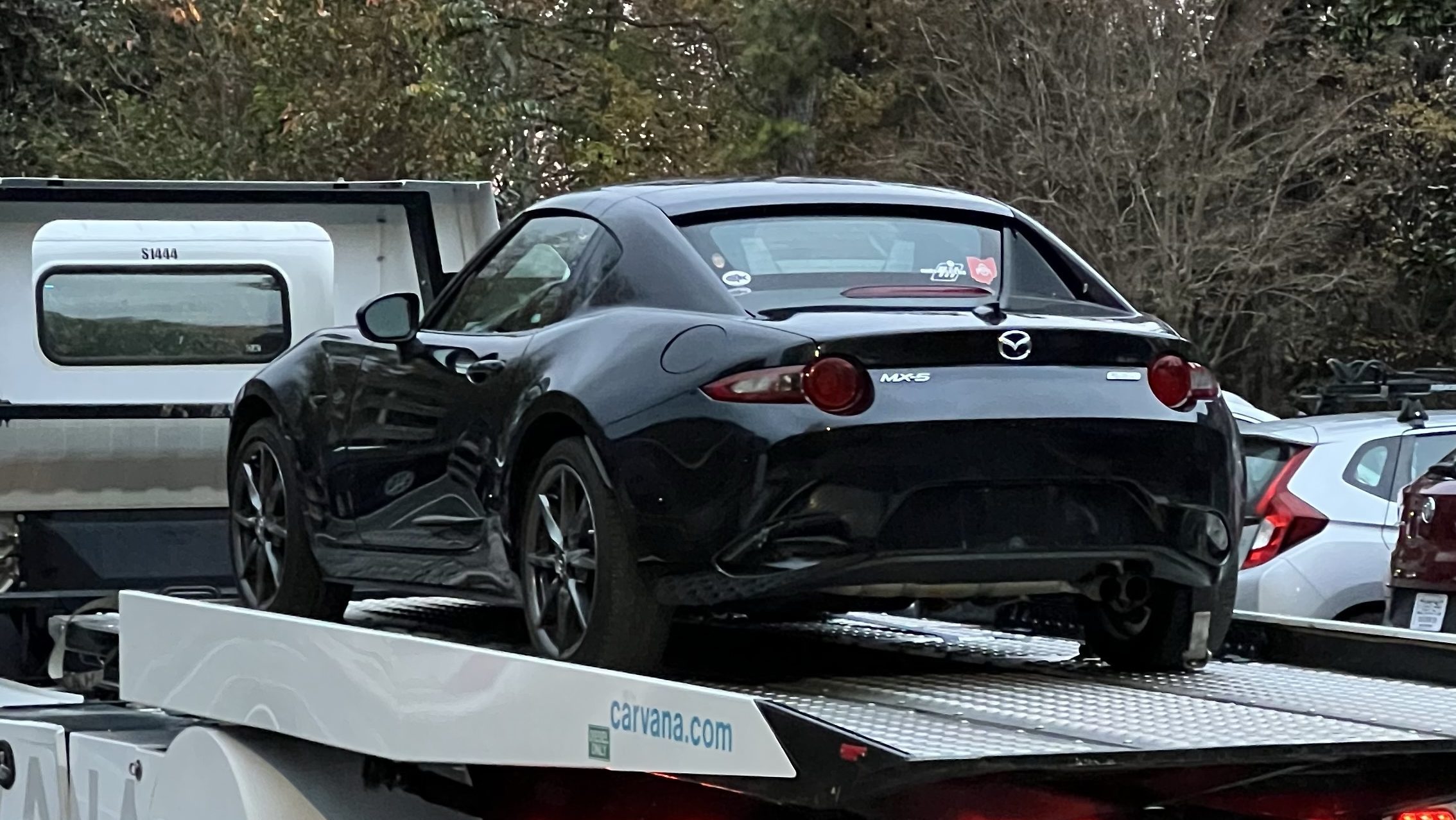
Just before the holidays, I sold the Miata to Carvana as they gave a very strong offer and have a pretty easy sale process. The time has come to move on; I needed a more practical vehicle for daily-driving once again, and changing financial priorities mean I will be sticking with one car for the moment. Stay tuned for an upcoming video featuring my new GLI!
| Vehicle Tested | 2017 Mazda MX-5 Miata RF Grand Touring |
|---|---|
| Color | Jet Black Mica / Black Leather |
| Drivetrain | 2.0L NA I4, 6-spd manual, Rear wheel drive |
| HP / Torque | 155 horsepower / 148 lb-ft |
| Curb Weight | 2,430 lbs (est.) |
| 0-60 mph | 6.1 seconds (est.) |
| EPA Fuel Econ | 26 city / 33 hwy / 29 combined |
| MSRP | $35,520 (est.) |
 Also Andrew
Leave a comment