
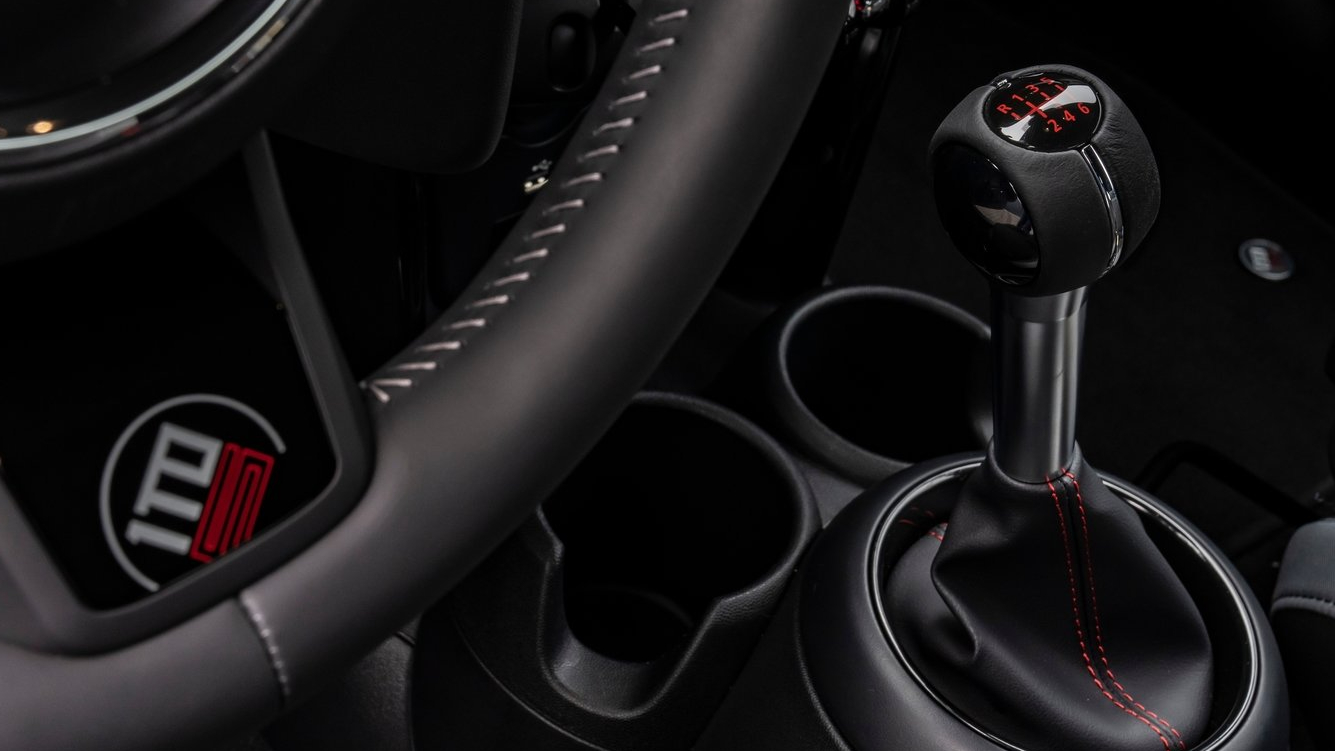
Manual-Transmission MINI Cooper Nearing Extinction
Last week, we reported on the impending death of the manual transmission in the Volkswagen GTI and Golf R. Now, it seems the stick-shift’s days are numbered in the MINI Cooper range as well.
Upon the recent introduction of redesigned Cooper and Countryman models, MINI boss Stefanie Wurst was asked about the potential drivetrain options. “We won’t have a manual unfortunately,” said Wurst, referencing future combustion-powered models.
It seems that instead, MINI will be focusing on electric vehicles and electric motorsports. “I think meeting Charlie [Cooper, grandson of John Cooper] made me confident about continuing with motorsport,” said Wurst. “So, we plan to go with him into electric motorsport as well.”
“For me it’s just really difficult to judge right now because not all new forms of electric motorsport have been successful,” she continued. “Which is a good platform for the future? We’ll see what evolves and plan to join something.”
The current-generation Cooper will receive its final sendoff in the form of a JCW Bulldog Racing Edition. It features a standard six-speed manual, Remus exhaust, adjustable KW V3 suspension, OZ Racing wheels, and deletes the rear seats to save weight. The next-gen model is set to go on sale in the US next year. So far, only battery-powered versions have been revealed.
2024 Mach-E Rally is The Closest Thing to a New Ford Hot Hatch
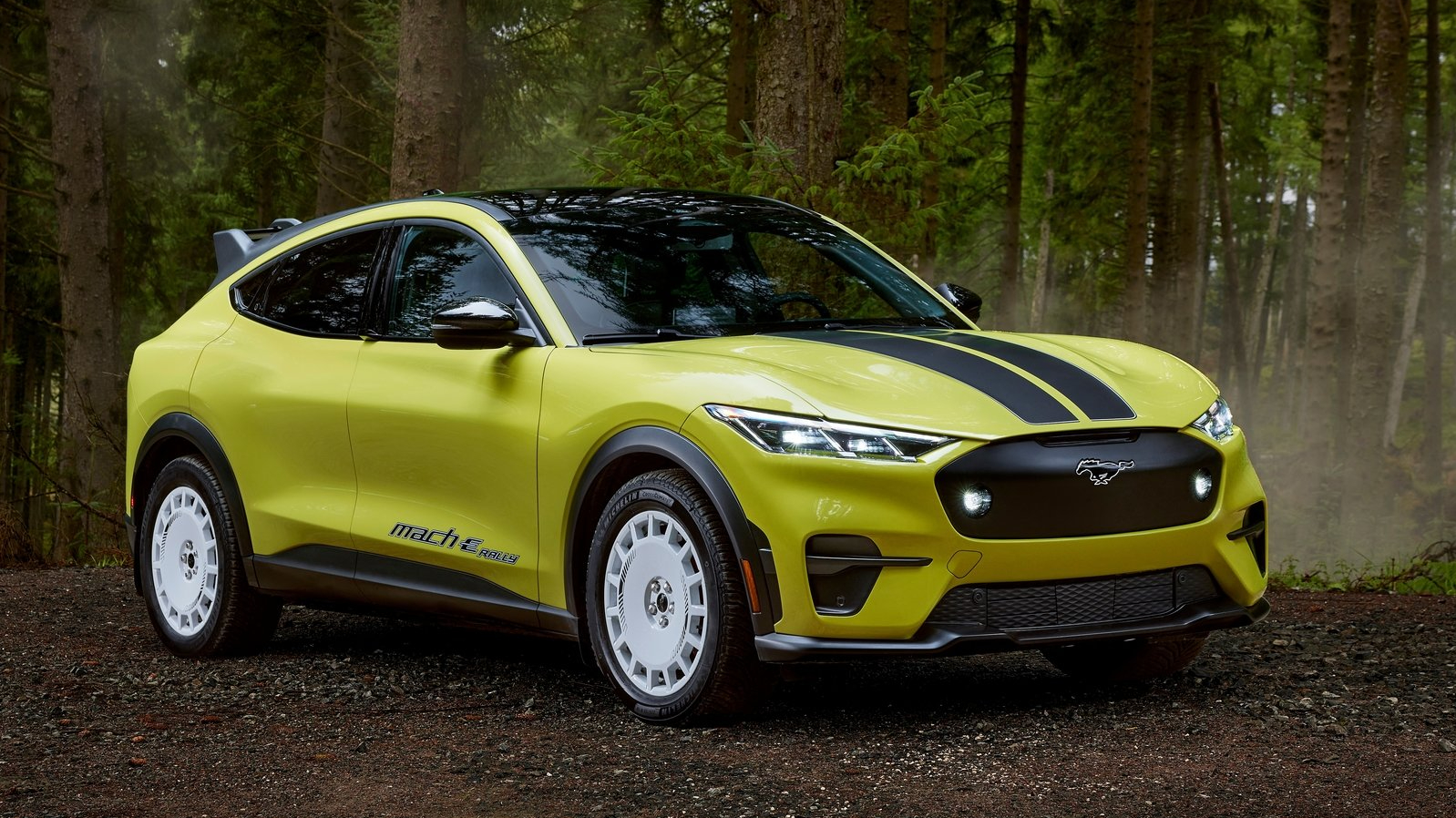
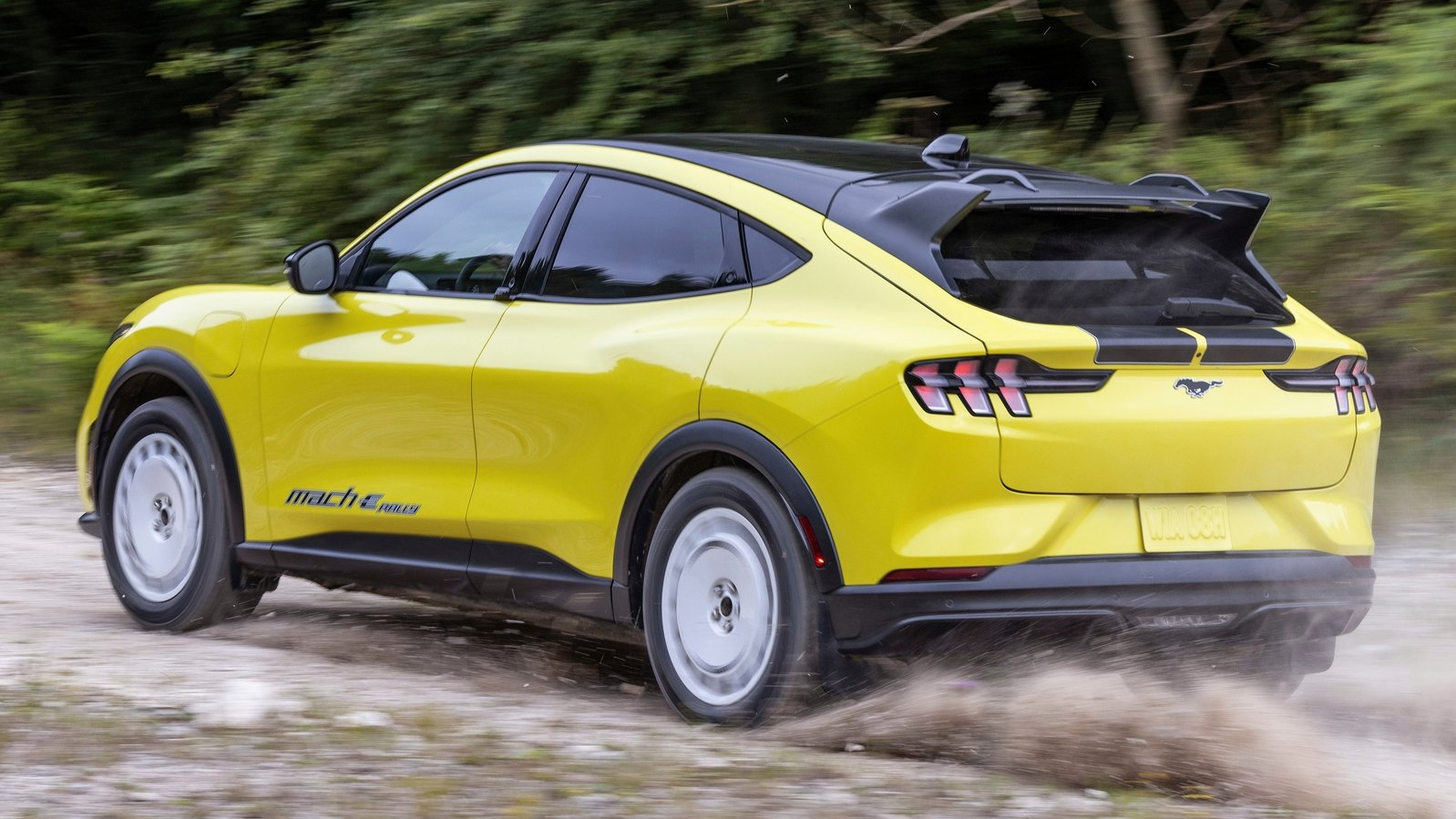
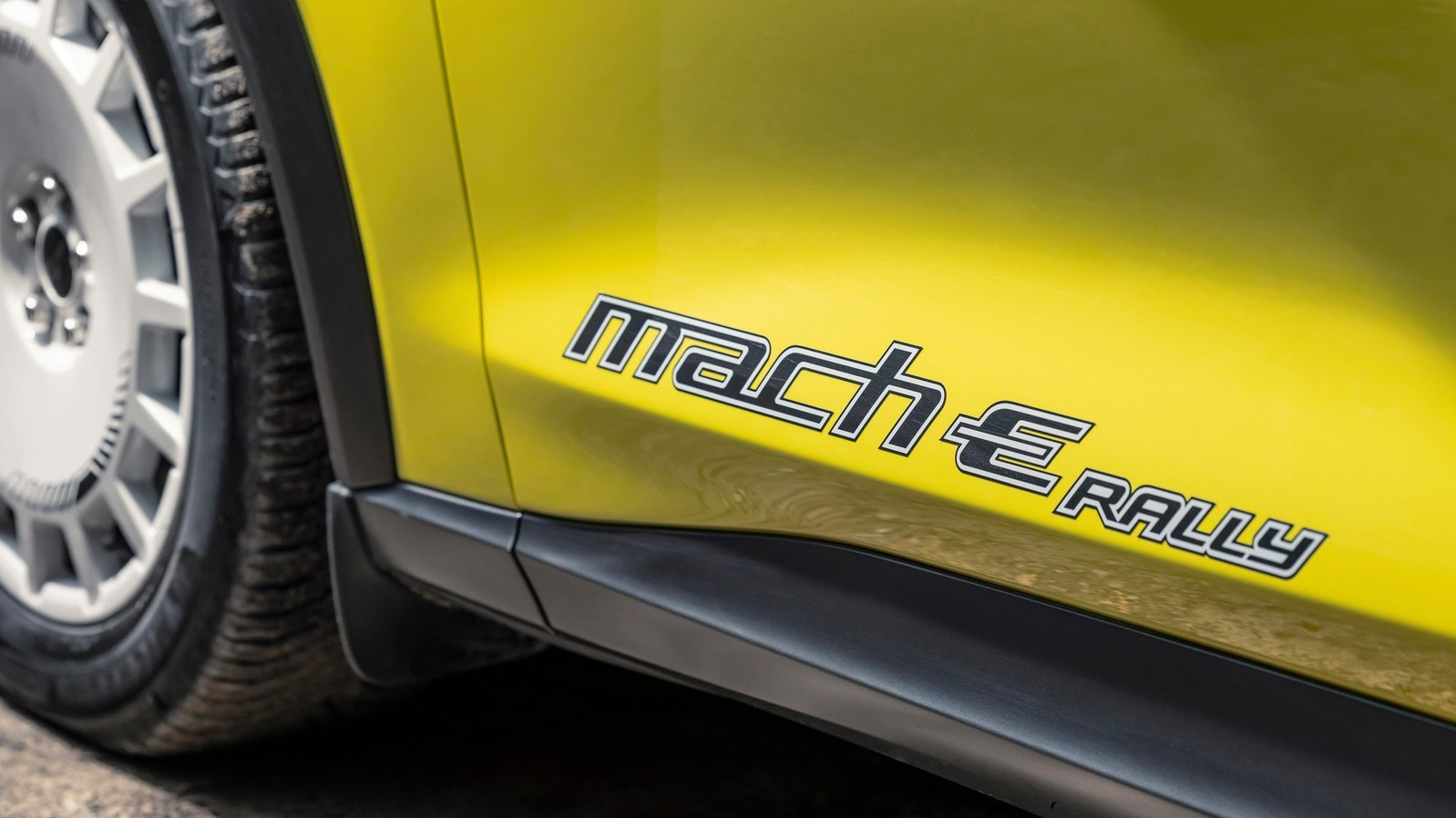
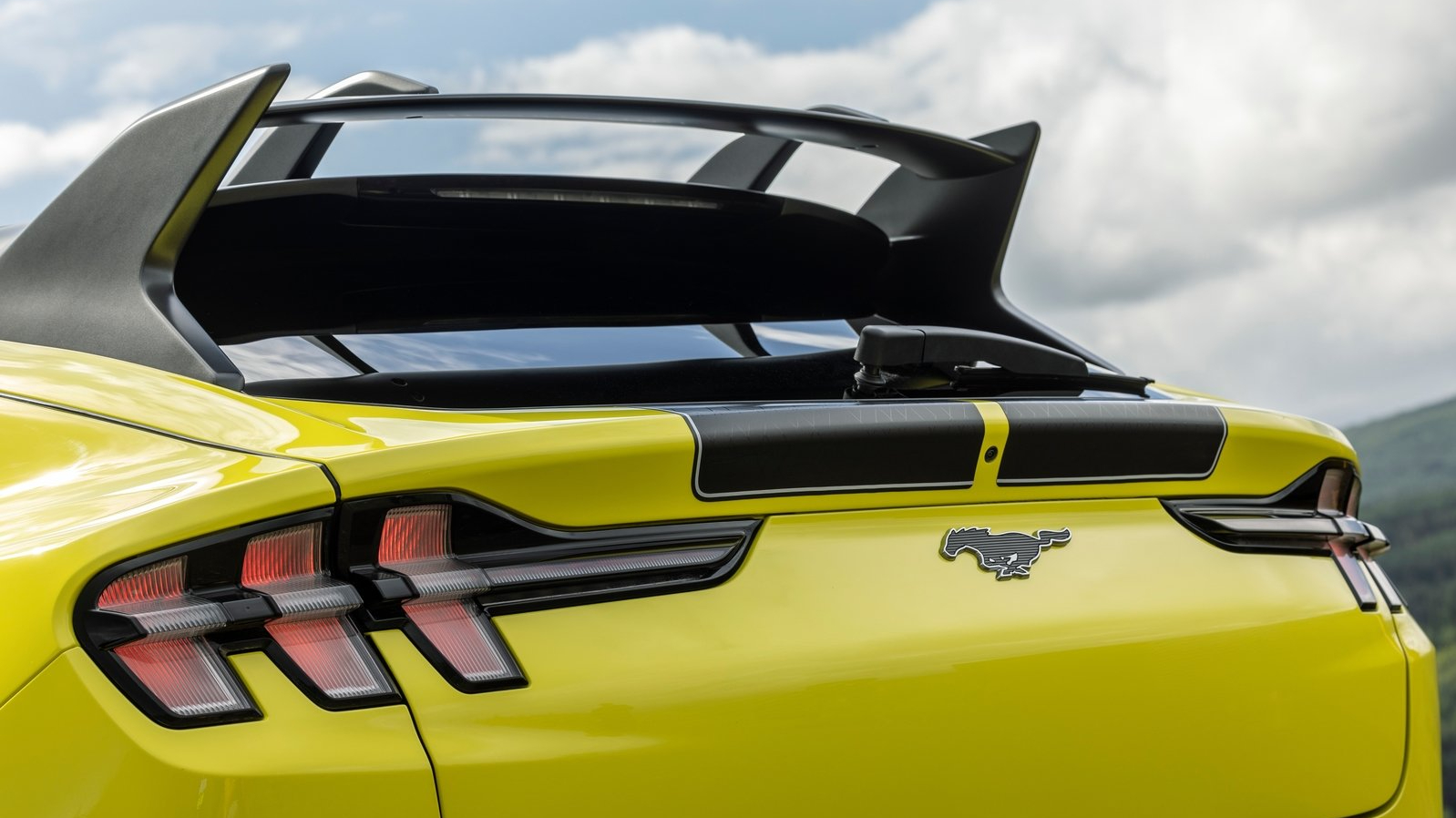
Ford’s Focus and Fiesta hot hatchbacks may be a thing of the past in the US, but the new Mustang Mach-E Rally appears to be the next best thing. The Rally combines the performance of the Mach-E GT with a host of upgrades making it ready for all types of pavement.
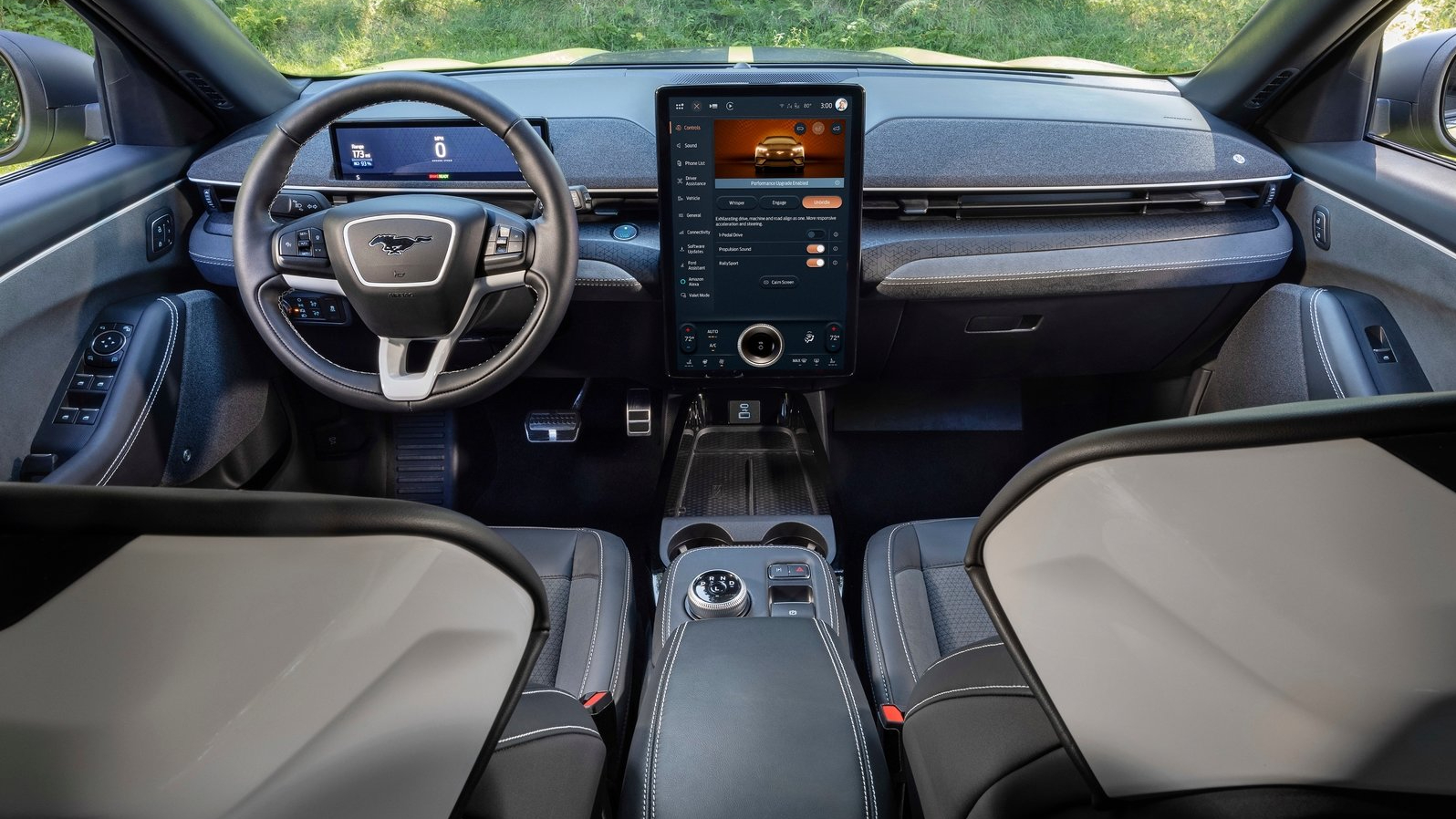
Ford engineers built a dedicated rally course at their Michigan proving grounds specifically for the development of this new Mach-E variant. MagneRide shocks, specially-tuned springs, an 0.8 inch lift, and RallySport drive mode are among the list of off-road focused kit. Additional shielding around the front and rear electric motors will help protect from drivetrain damage, and unlike the regular Mach-E, the Rally adds a front recovery point.
Speaking of the motors, the current GT Performance Edition produces 480 horsepower and 634 lb-ft of torque. The Rally uses the same dual-motor setup (one at each axle) but torque is bumped to 650 lb-ft.
Bringing the Rally to a stop are larger 15.8-inch front brake rotors clamped down upon by red Brembo calipers. The visual upgrades are continued by high-mounted front fog lights, a massive rear wing similar to the Focus RS, and black stripes and accents.
Inside, you’ll find unique seats with gloss white painted trim, which carries over to the steering wheel as well. Feature content is similar to other Mach-Es, including the latest BlueCruise 1.3 driver assist system.
Ford says driving range is expected to drop to 250 miles with the off-road-ready changes, but final specs and pricing have not yet been announced. That said, the Blue Oval is targeting an MSRP around $65,000 with orders starting in early 2024.
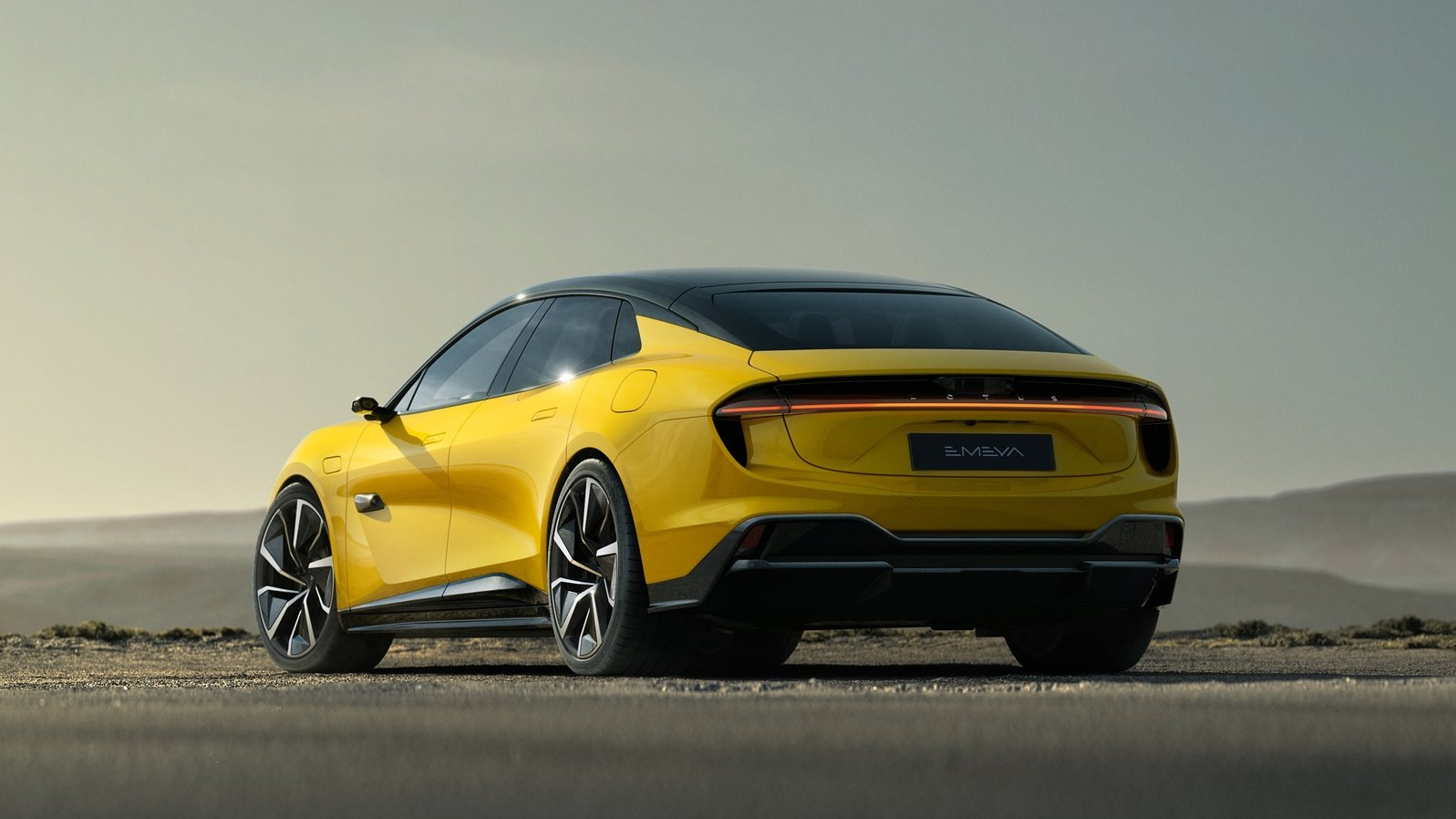
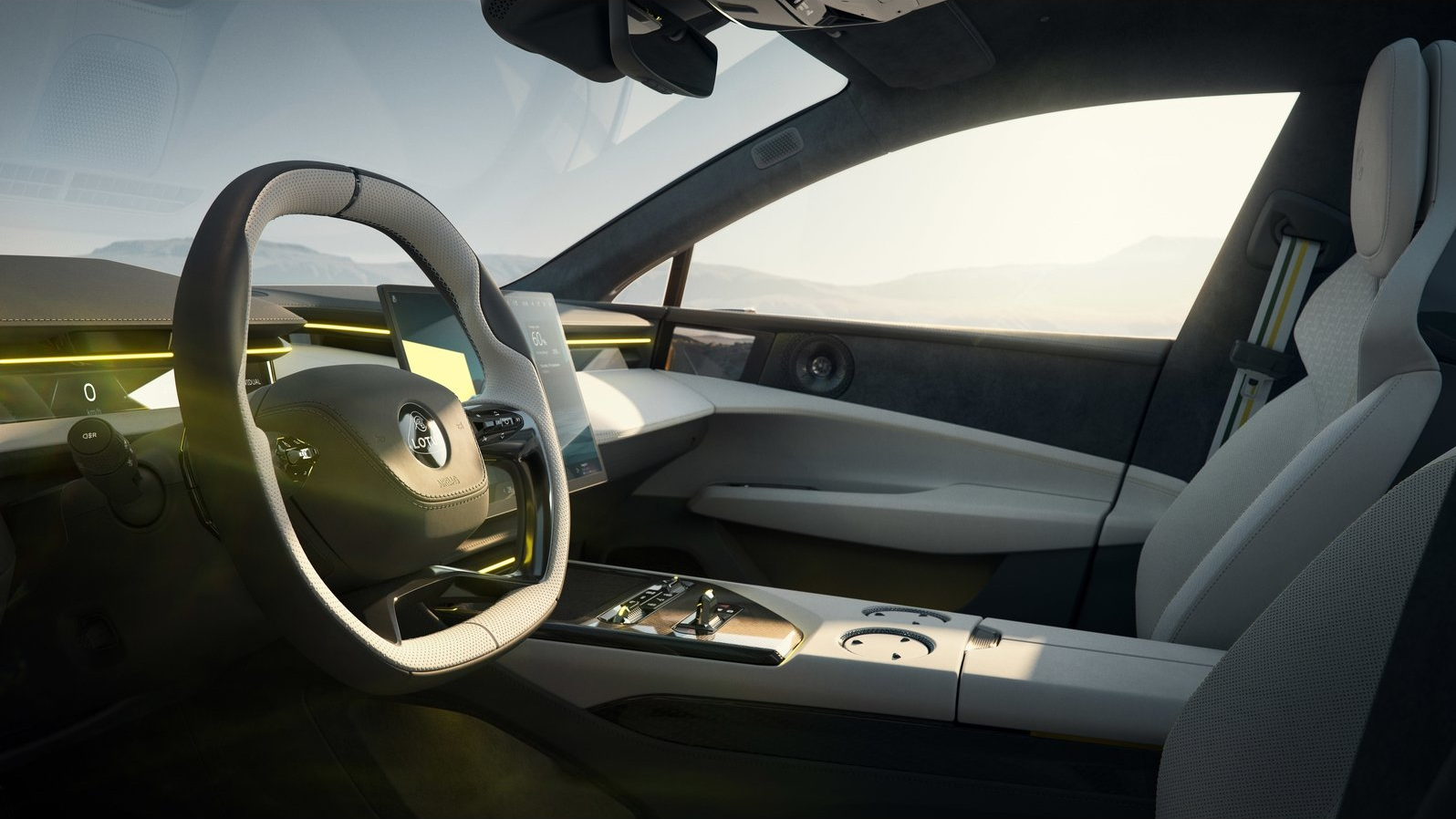
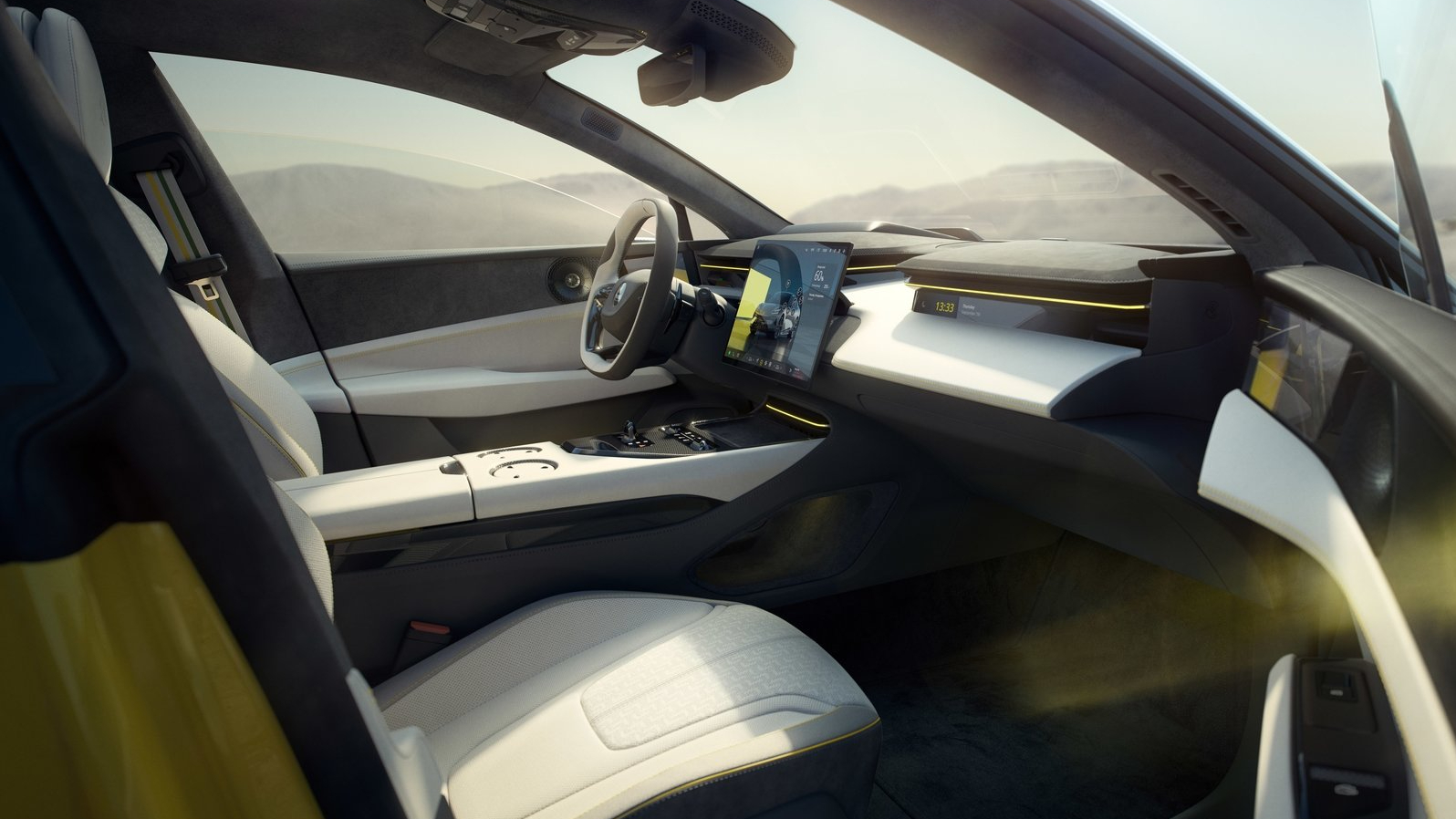
Lotus’ Second New EV is a 905 Horsepower Porsche and Tesla Rival
Lotus, a British carmaker historically known for producing lightweight sports cars, recently launched its first electric car: a 5,500-plus-pound SUV called the Eletre. Following closely behind is their attempt at an electric fastback sedan, the Emeya.
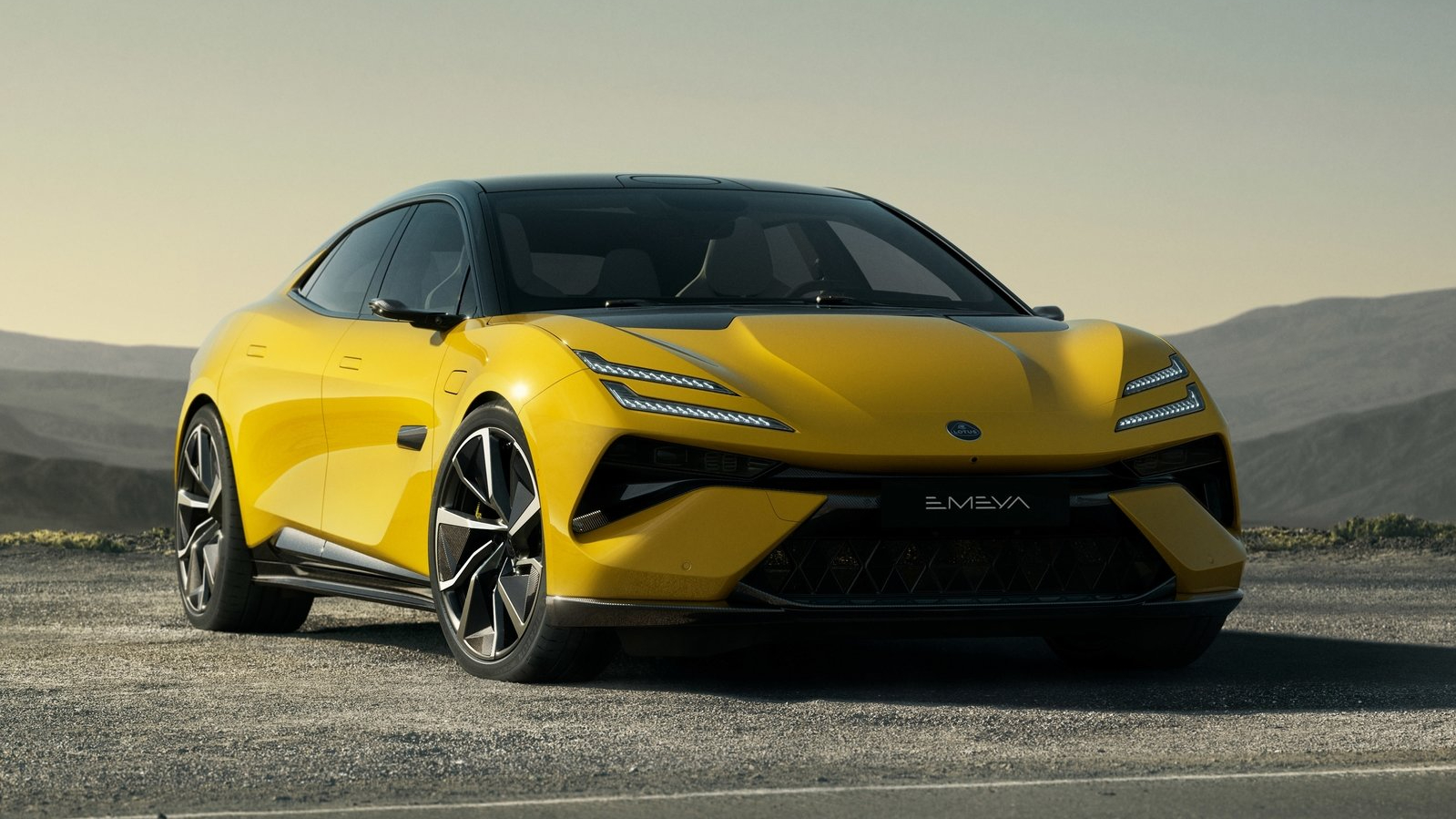
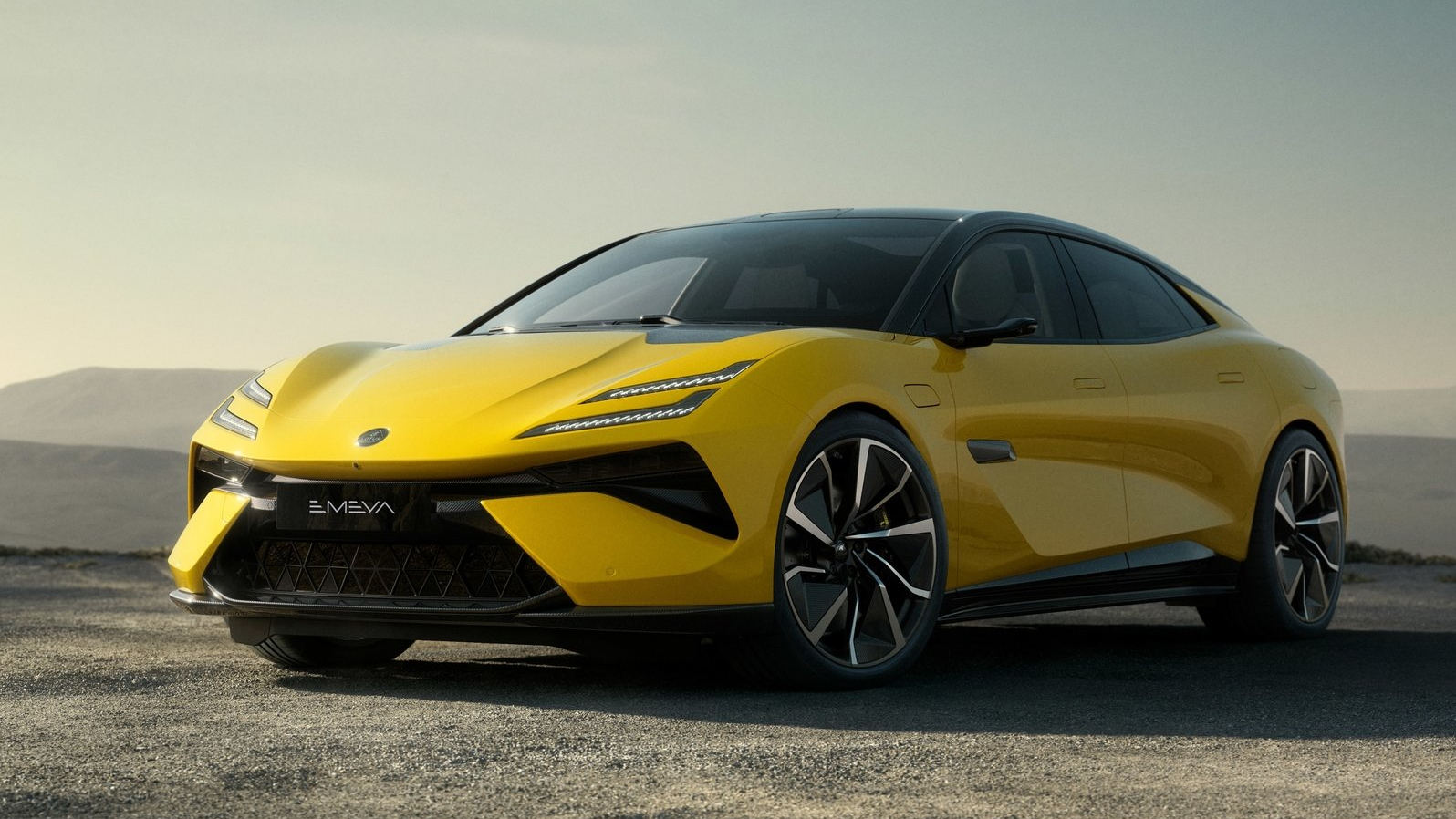
Aimed squarely at the Porsche Taycan, Tesla Model S, and Lucid Air, Lotus labels the Emeya as a “Hyper-GT.” Many of the Eletre’s styling cues are present but in a lower, sleeker form. While the Eletre isn’t a bad looking vehicle, the Emeya is genuinely pretty (from most angles) in our eyes. The interior is also very similar to its SUV sibling, with a modern, airy design and a four-seat layout.
Given its competition, performance had to be a strong focus in the development of the Emeya. As such, two versions will be available, both with a 102-kWh battery pack and dual electric motors. The base setup will produce 603 horsepower and 523 lb-ft of torque, similar to the lower-spec Eletre models. The top-end variant promises 905 horsepower and 727 lb-ft of torque, with a claimed 0-60 of 2.8 seconds. This version will also use a two-speed transmission like the Taycan.
Height adjustable air suspension will be standard across the range, as will all sorts of active aerodynamic elements. These will help the Emeya achieve better driving range, although surprisingly, Lotus isn’t claiming a large bump over the Eletre. Depending on configuration, expect between 260 and 315 miles. Peak charging speed comes in at 350 kilowatts for all models.
While still out of Lotus’ traditional comfort zone, the Emeya is certainly less of a departure than the Eletre. Production is expected to begin in 2024, with the first units reaching the US as 2025 models. Pricing will likely begin over six figures and top out in the same range as the Lucid and Porsche.
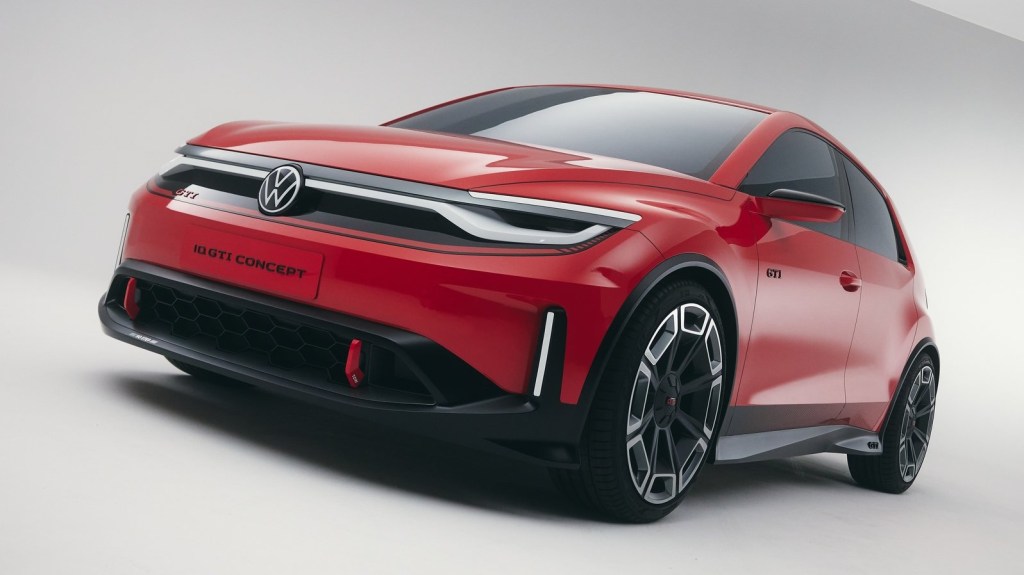
Volkswagen Reveals ID.GTI Concept, Intends to Bring to US
Following the aforementioned demise of hot hatch manual transmissions, Volkswagen rolled out its new ID.GTI concept in Germany this past weekend. The ID.GTI is the next step in electric performance, as VW already sells GTX versions of the ID.4 and ID.5 in Europe.
Effectively a hopped-up variant of the ID.2all that was previewed earlier this year, the ID.GTI sits on the new MEB Entry platform, a smaller and simpler version of its existing MEB architecture using front-wheel-drive instead of all-wheel-drive. While no performance specs have been released, the ID.GTI will boast an electronic limited-slip differential just like the current gas-powered GTI. The most noteworthy feature of the concept car is a simulated sound system that can replicate exhaust notes of historic GTIs.
At 161.6 inches in length, the ID.GTI is closer in size to the European Polo hatchback than the current Mk8 Golf. However, VW promises similar passenger space to the Golf thanks to short overhangs and lack of a combustion engine up front.
The production version of the regular ID.2 is set to go on sale in Europe in 2026, with the GTI following the year after. Both will be built in Spain alongside Seat and Skoda models. While it has not been officially announced for US consumption, Car and Driver spoke to VW Group of America CEO Pablo Di Si who said there are definitely plans in the works.
“Everybody wants the car in the U.S.,” Di Si told journalists. “It’s a concept car, but we’re working very closely with the team in Germany in terms of the design and the specs . . . I think it could be a great car for the U.S. We just need to make sure that the touch and feel is going to be what the American consumer wants.”
Audi Shows Off Q6 E-tron’s Interior With Augmented-Reality HUD
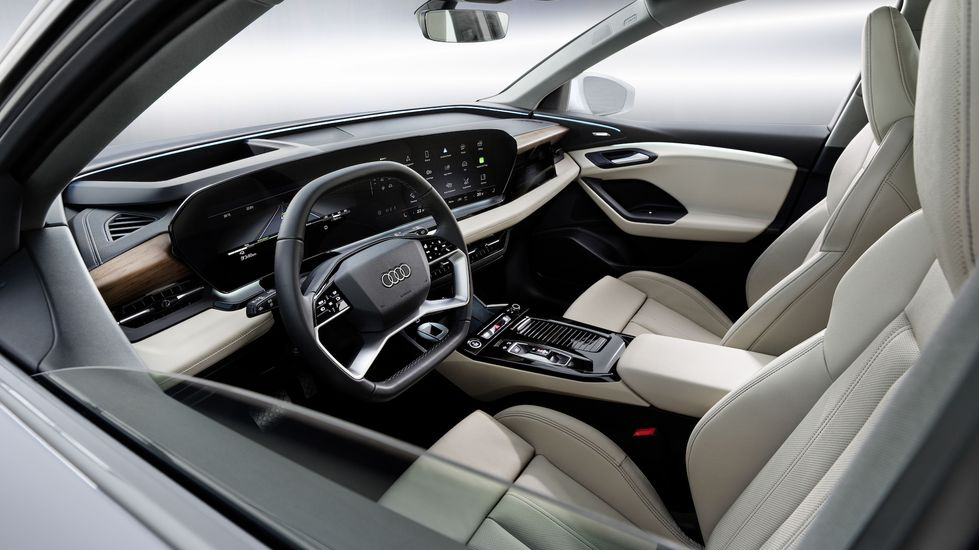
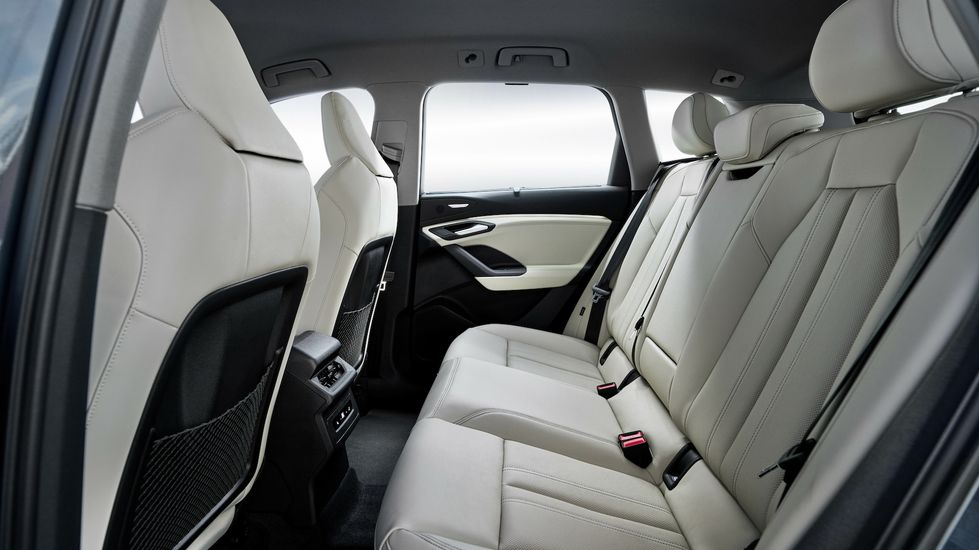
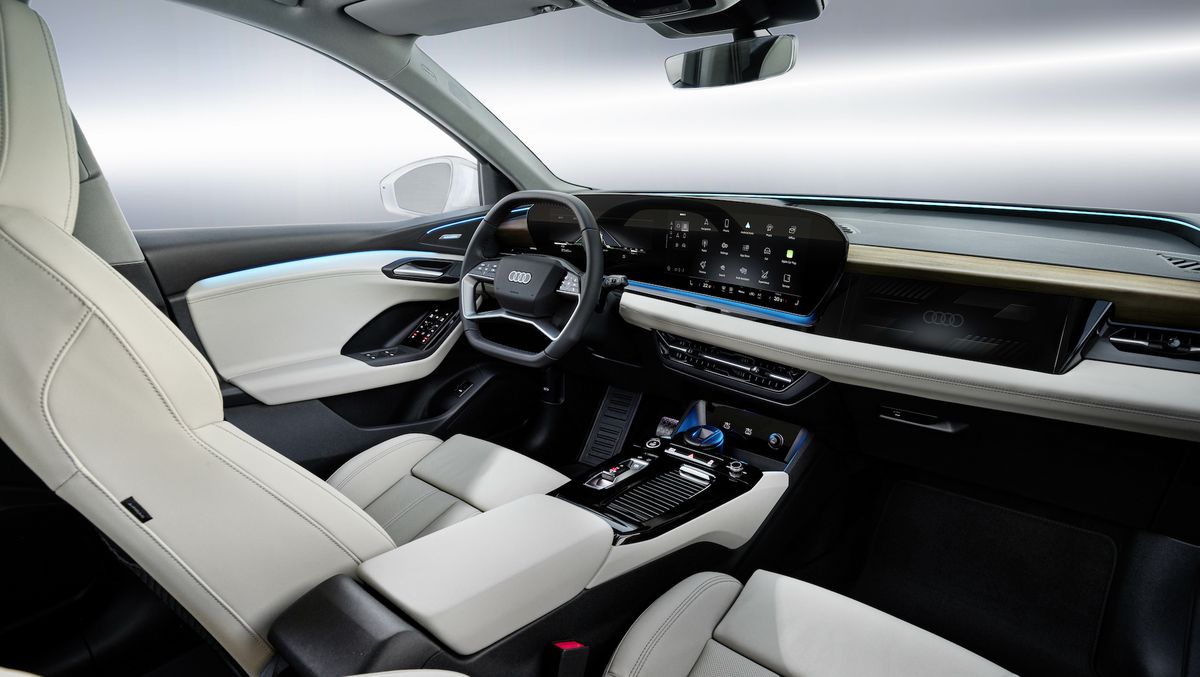
The current trend of screen-centric interiors in new electric cars is more than a fad, it seems. The Mercedes-Benz EQS and Cadillac Escalade IQ are prime examples. This week, Audi revealed the interior of the upcoming Q6 e-tron, and it features a dashboard dedicated to displays and other technology content.
The first model built on Audi’s new Premium Platform Electric (PPE) architecture, the 2025 Q6 e-tron essentially previews the future of the brand’s design and tech. The OLED gauge cluster and infotainment screens measure 11.9 and 14.5 inches, respectively, and are united under a single curved bezel with ambient lighting. A separate 10.9-inch touchscreen is available for the front passenger to use, similar to the Porsche Taycan.
With the Q6 e-tron, Audi introduces new Android-based infotainment software, following a number of other carmakers. Much like Mercedes, the new system offers a “self-learning voice assistant” that can be summoned by saying “Hey, Audi.” The extent of the assistant’s skillset is unknown, but the brand claims it can do everything from learning the driver’s preferences and making suggestions.
Rounding out the new in-car technology is an optional heads-up display with augmented reality. When the car’s speed, navigation directions, or other information are projected onto the windshield, Audi says their images tilt and move to give the impression that they’re floating in front of the vehicle. The goal is. to reduce distractions, particularly in low-visibility situations.
While the overall design of the Q6 e-tron’s interior is nothing particularly striking or revolutionary, it does offer several new features that make it appealing to a techy audience. The Q6 e-tron and high-performance SQ6 are expected to go on sale sometime next year.
Toyota’s Latest SUV is a $170,000 Hybrid Century Just For Japan
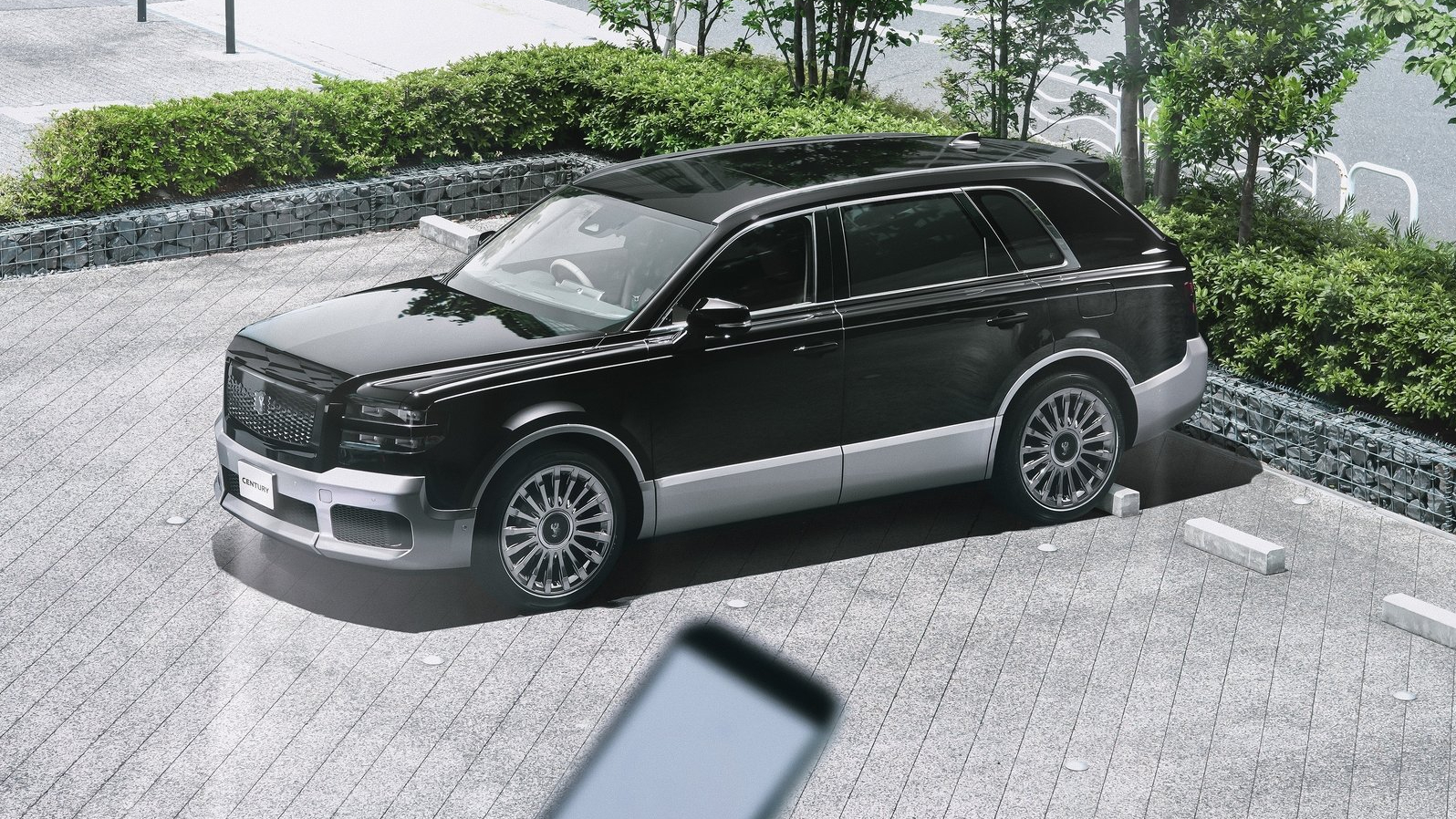
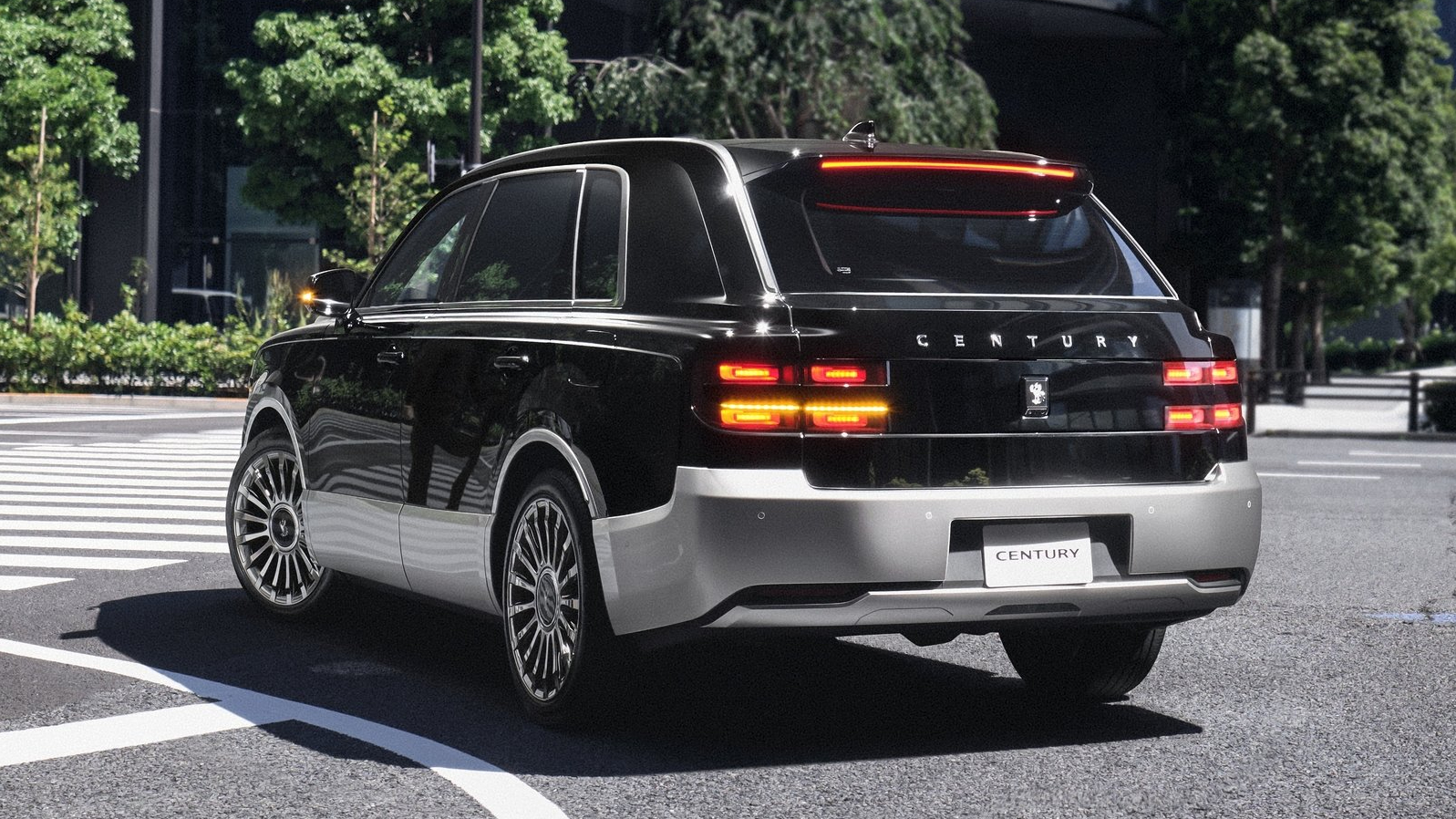
Since the 1960s, the Century has been a highly exclusive model in Toyota’s Japanese lineup meant for customers who want to be chauffeured. Traditionally offering a smooth V12 engine, the latest generation switched to a V8 several years ago. Now, the Century is transforming once again, this time into a hybrid SUV with optional sliding rear doors.
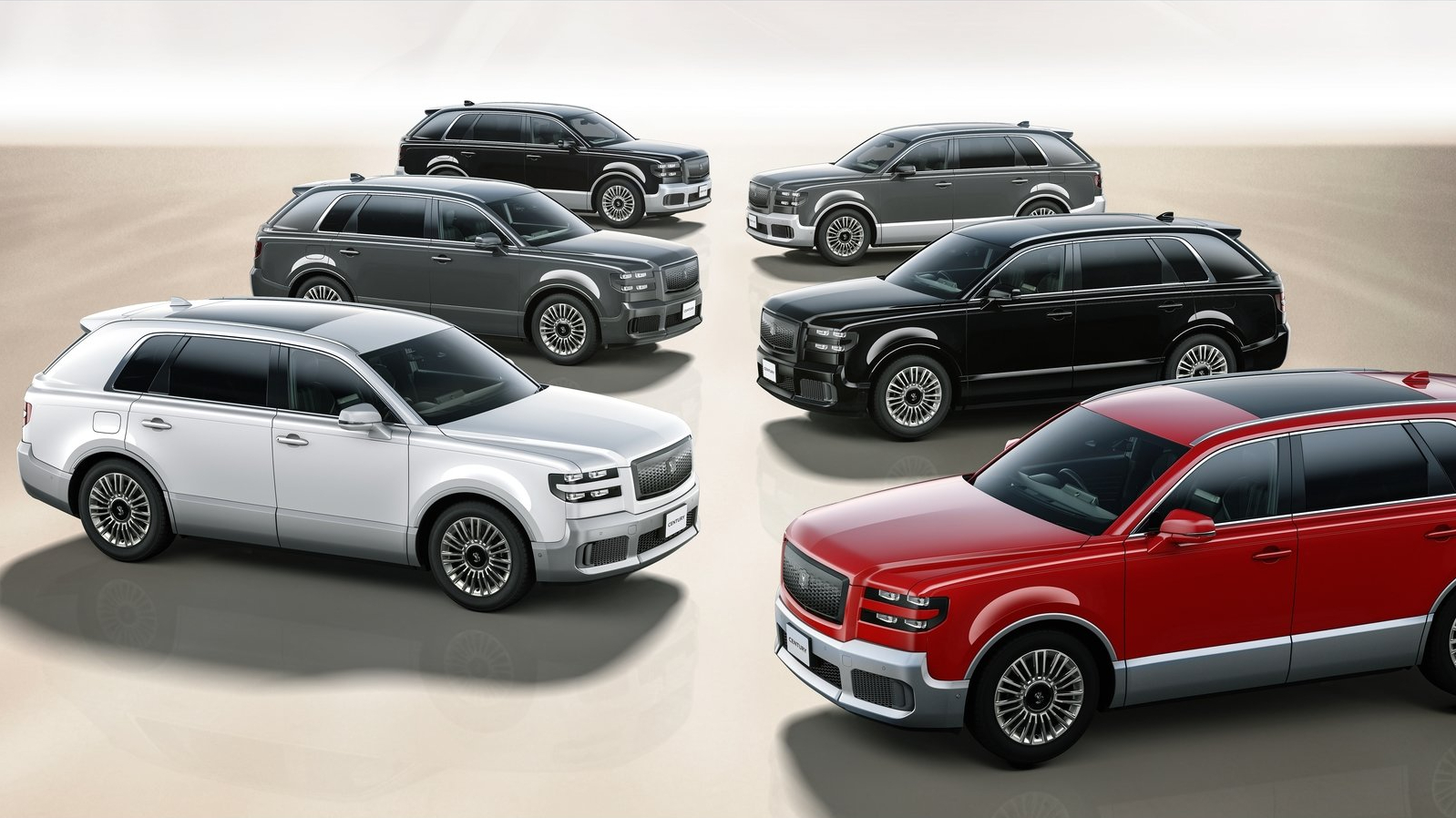
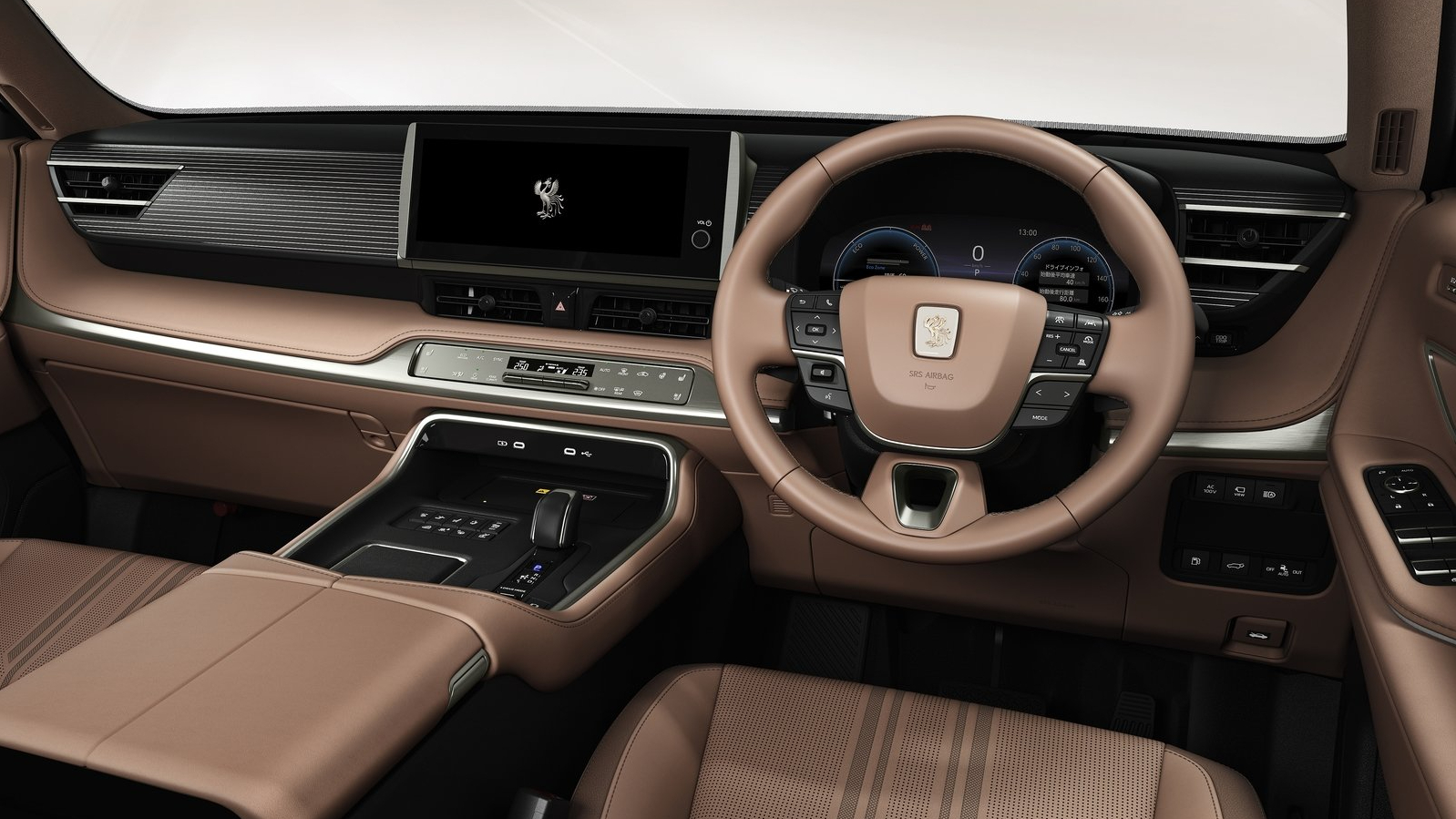
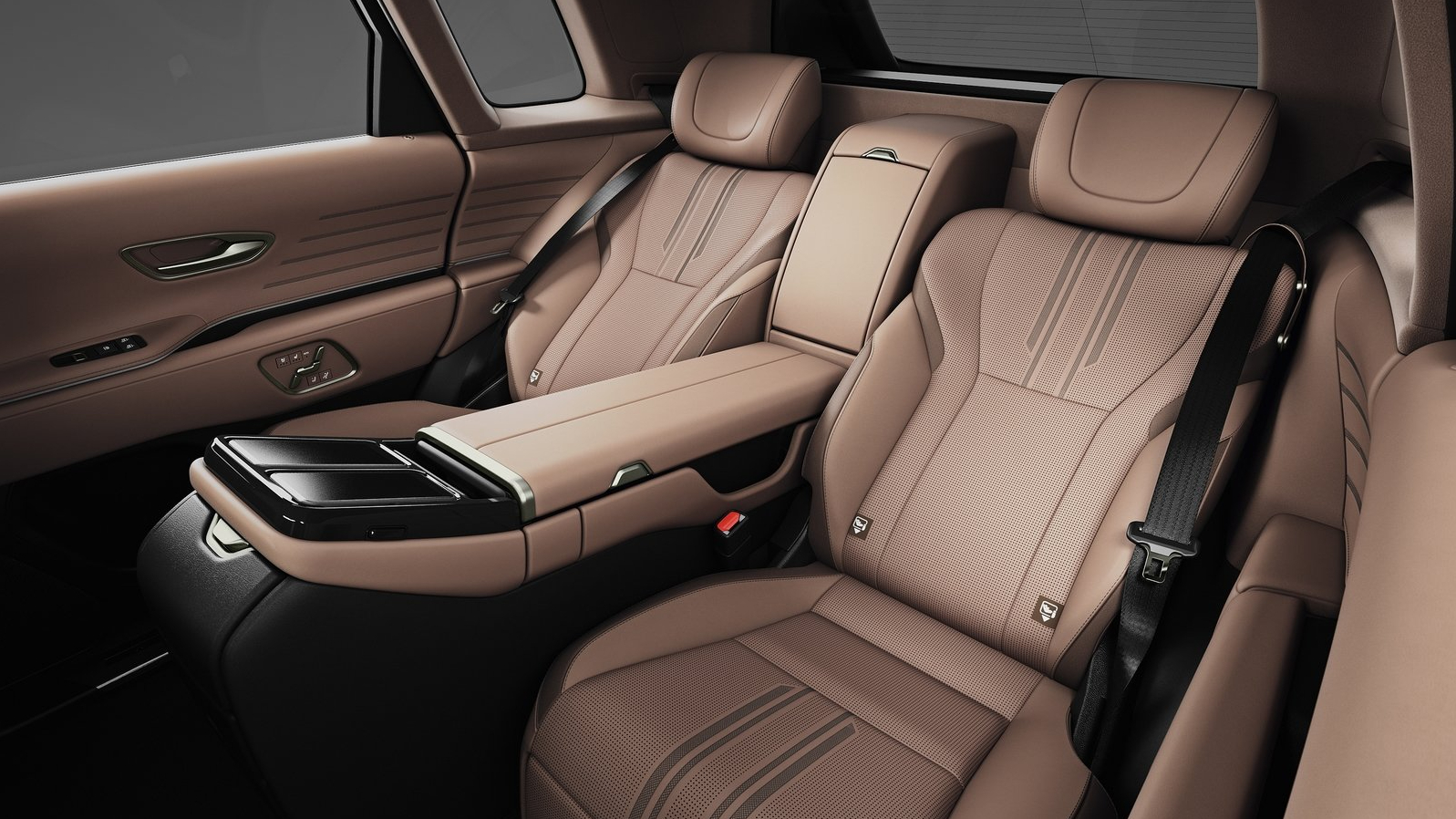
Boxy, subdued, and ornate, the new SUV follows many of the traditional Century design cues. In our eyes, the shape and proportions are also strikingly similar to the Rolls-Royce Cullinan. The Century is essentially as big as many full-size SUVs, while only having four seats. The two rear seats offer a multitude of adjustments including recline, Windows-based tablets for entertainment, and even a driving mode meant to smooth out braking jolts for rear passengers.
And yes, power-sliding rear doors like a minivan are available. Likewise, several dual-tone color schemes are on offer, as well as numerous interior upholstery possibilities and a GR-badged sporty version with different wheels and tires.
Under the hood, the Century SUV uses a similar powertrain to the new 2024 Lexus TX550+, which features a 3.5-liter V6 mated to a plug-in hybrid system. Detailed specs haven’t been released, but this engine configuration produces 460 horsepower and claims a 30 MPG in the Lexus. The only thing we do know is the Century weighs over 5,600 pounds.
Continuing the storied exclusivity of the Crown, only 30 units of the SUV will be produced per month. Pricing will start at the equivalent of $170,000.
Mercedes E-Class Wagon Returns to America With 2024 All-Terrain
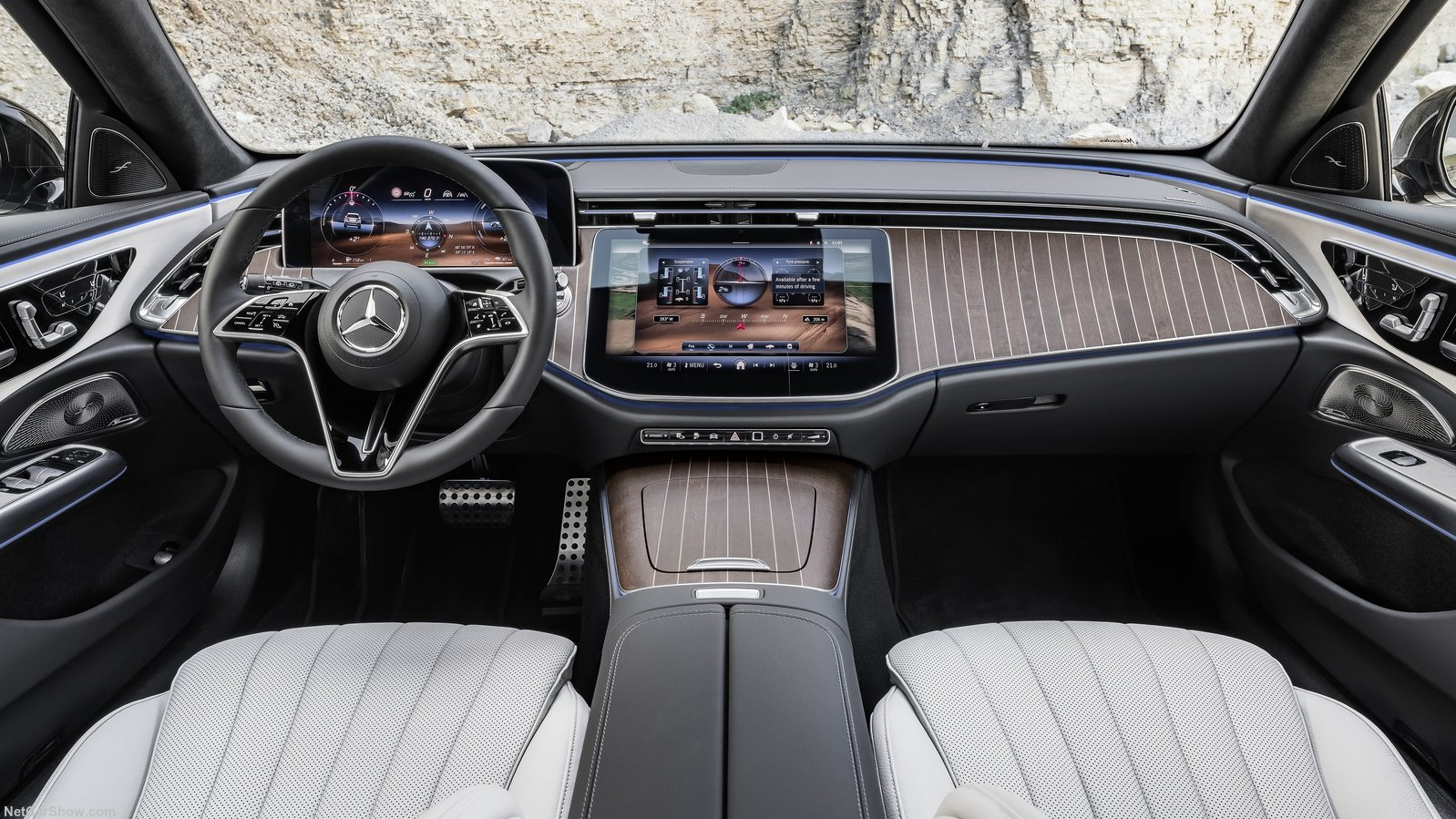
Station wagons have long been on the decline in the US, but some automakers are still keeping them alive. Fortunately, Mercedes-Benz is one of them, with the new E-Class.
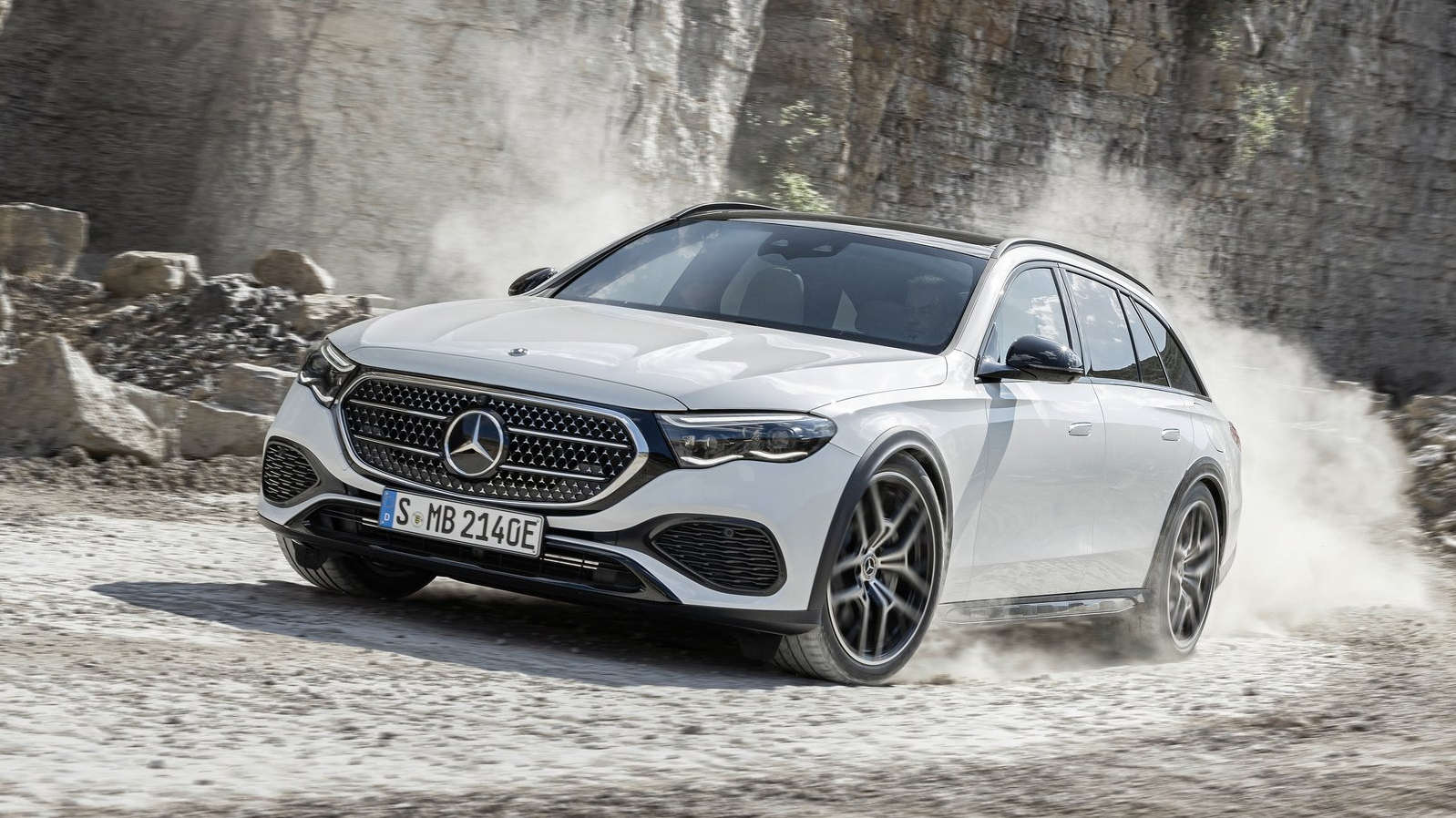
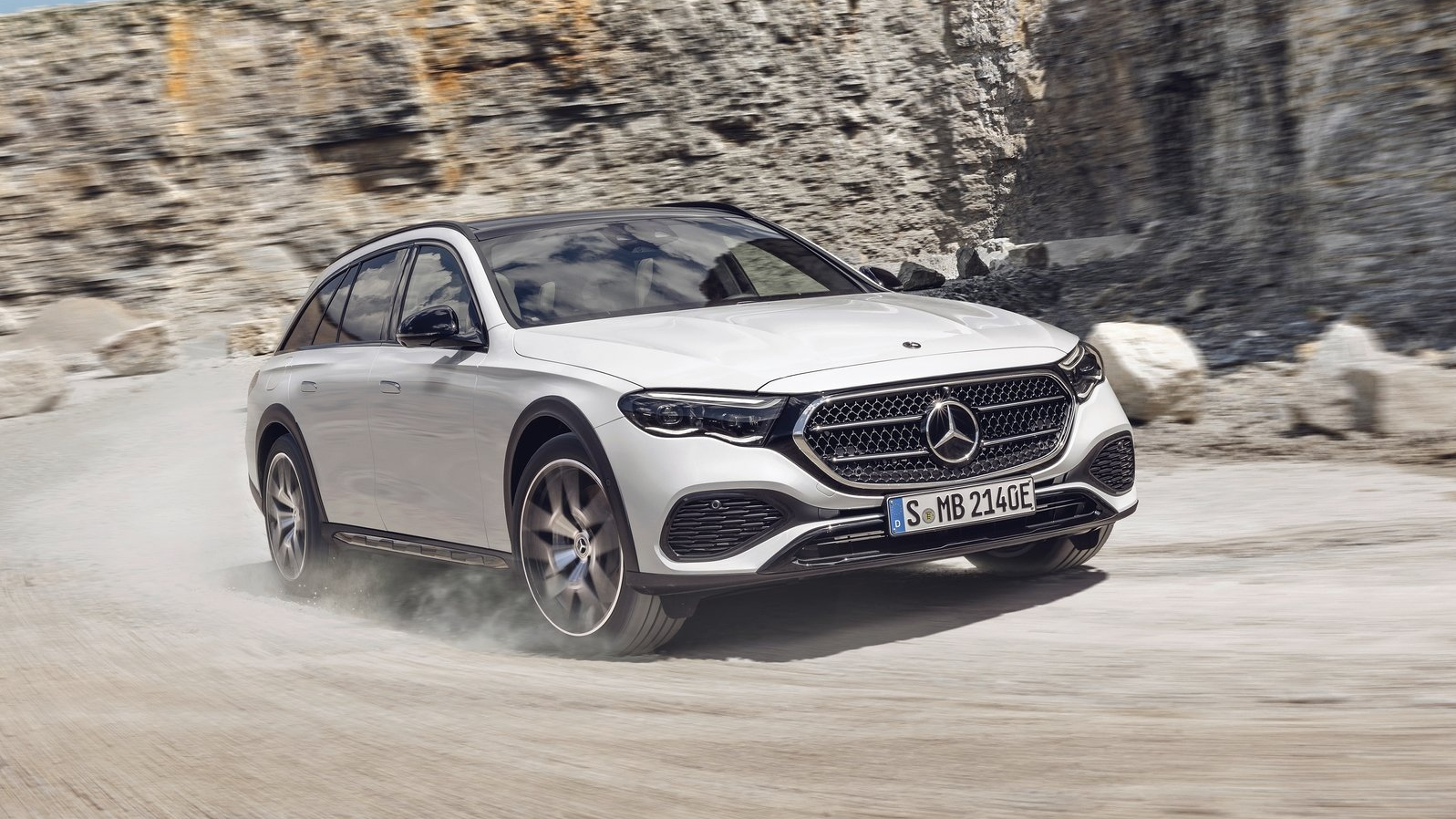
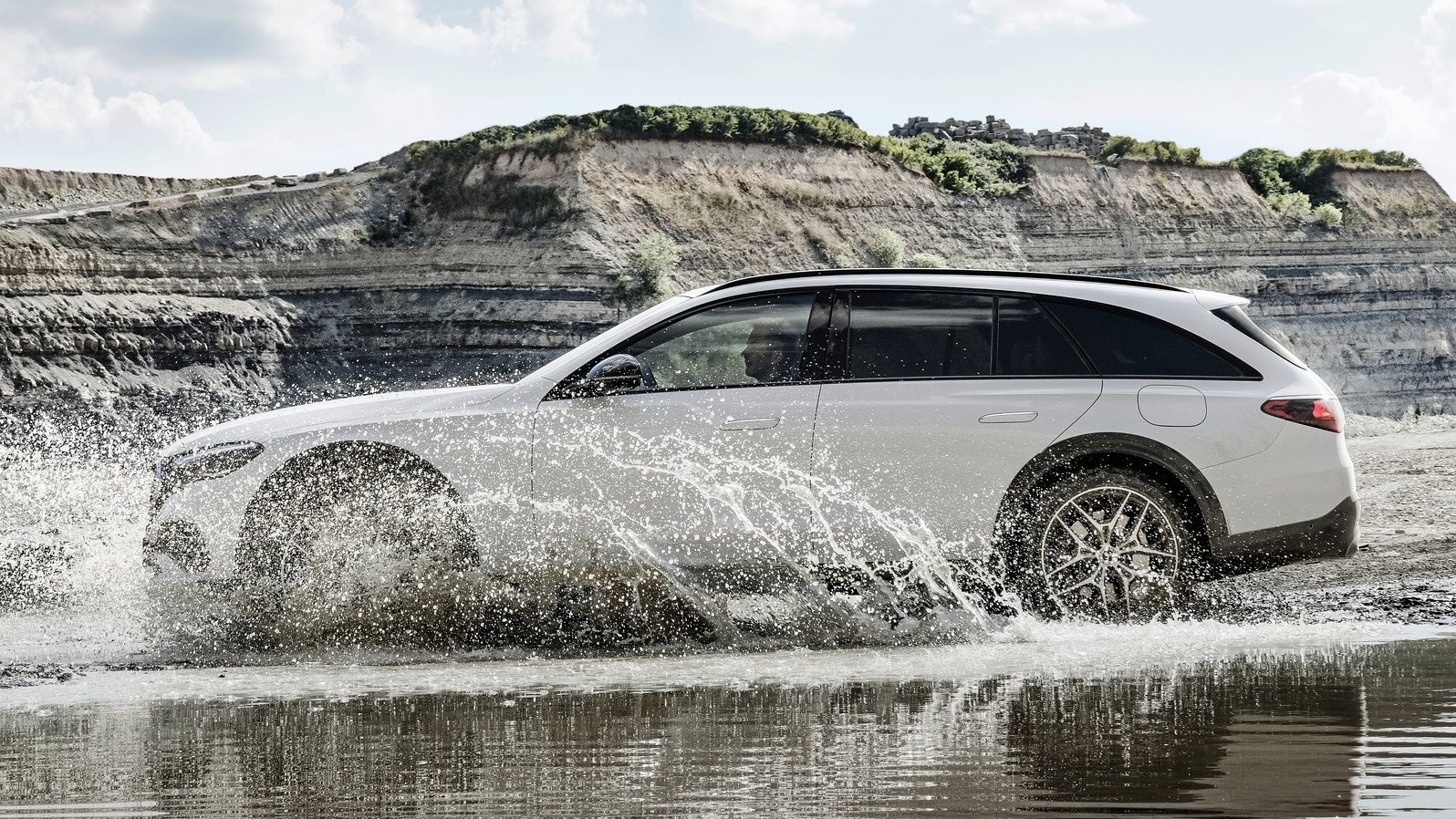
In its last generation, the E-Class lost its regular wagon variant, limiting its availability to the E63 AMG or the taller All-Terrain from 2020 onwards. The E-Class sedan has been redesigned for 2024, and now the longroof follows in the same pseudo-offroader guise. Mercedes says E-Class wagon buyers are some of its most loyal, and they probably figured its appeal could be widened by offering it as an SUV competitor.
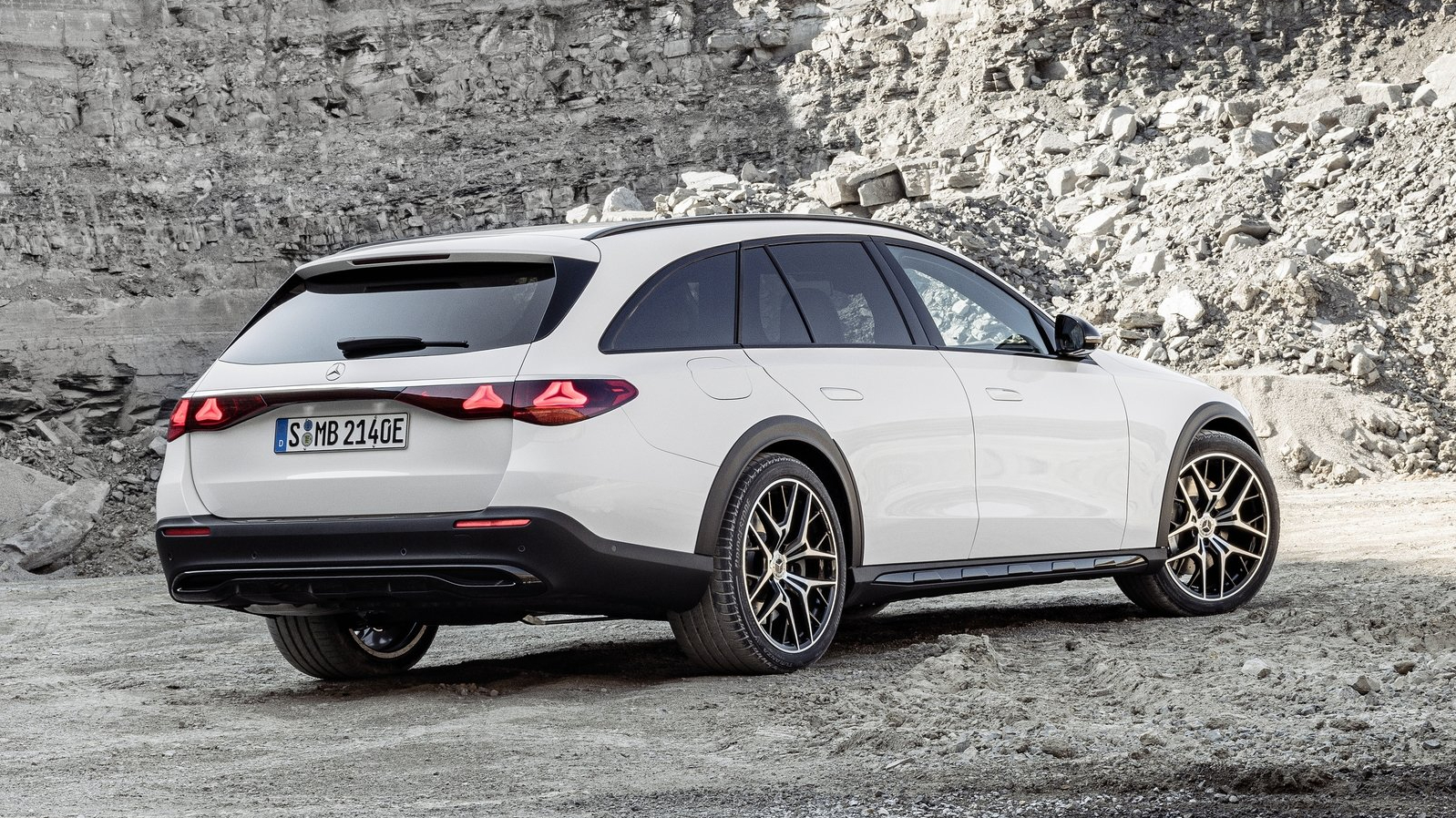
Luckily, the SUV-like design touches are lighter than the outgoing model. The black plastic trim adorning the wheel arches and bumpers is thinner than before, virtually gone on the front end. The ride height also appears shorter than before, but that may be the result of visual trickery.
Just like the sedan, the 2024 All-Terrain receives an 0.87-inch lengthening of its wheelbase, increasing rear seat room. Being a wagon, the rear seats fold in a 40/20/40 split, and maximum cargo space comes in at 65 cubic feet when folded down. Unique to the All-Terrain is a four-corner air susoension system that allows the car to be lowered at highway speeds and raised when going on less ideal roads.
Under the hood, the sedan’s mild-hybrid inline-six is expected to carry over. 4MATIC all-wheel-drive is standard. Pricing will likely be in the neighborhood of $90,000, a significant step up from the Audi A6 allroad and Volvo V90 Cross Country.
Ford Expands Backup Camera Recall To Nearly 170,000 More Cars
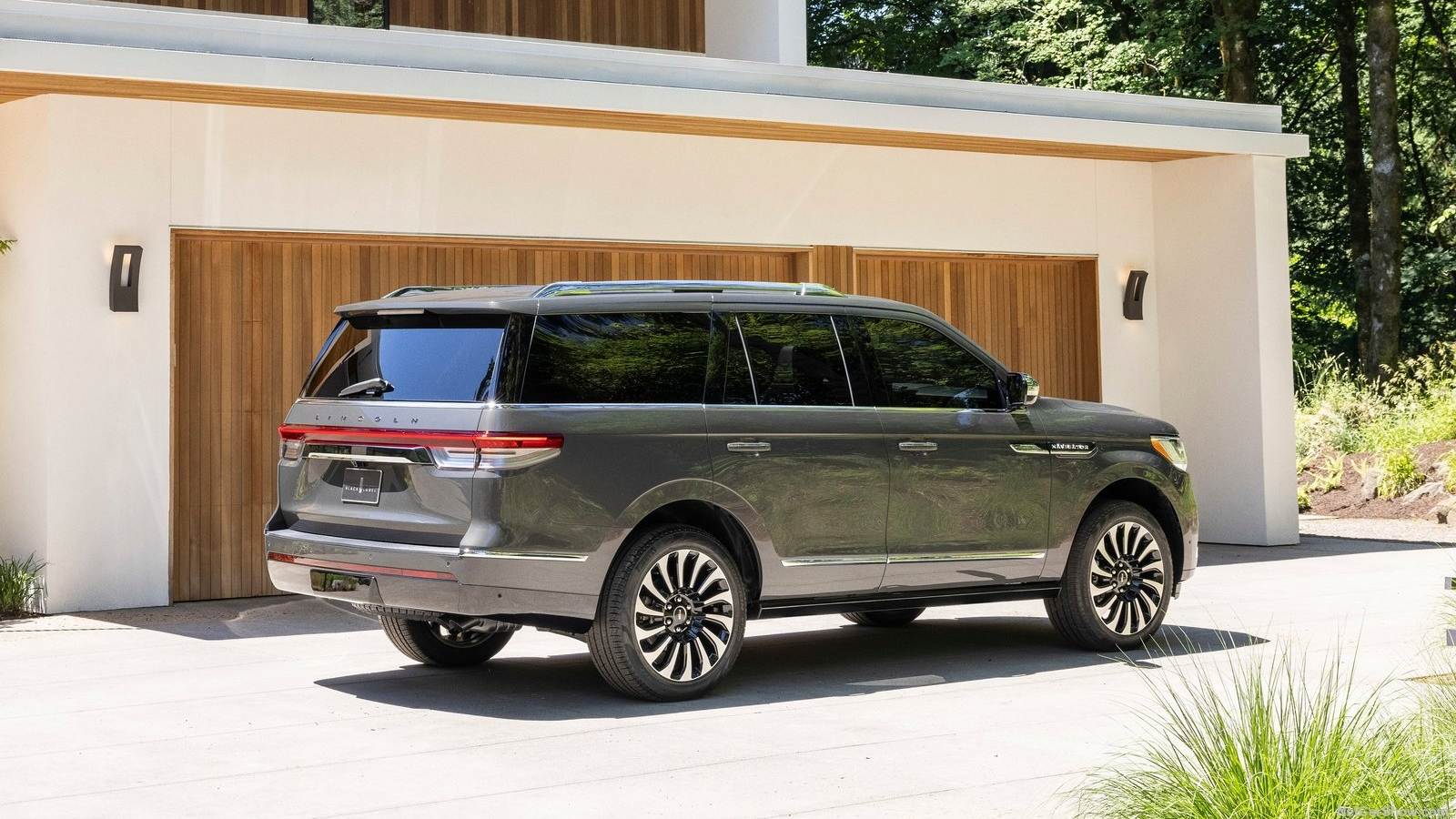
In January 2023, Ford filed a recall of several SUVs for failing rearview cameras. The initial recall affected 279,900 Explorers and 103,059 Lincoln Corsair and Aviator models. According to Ford, the video input from the 360-degree camera system may intermittently fail, producing a blue or black screen on the display.
Ford’s latest recall expands coverage of similar issues to 169,277 more vehicles. The affected models are certain 2020-2023 Lincoln Aviators, 2018-2021 Navigators, 2021 Ford Broncos, and 2022-2023 Transit vans.
The cause of the issue depends on the type of camera system in the vehicle. In some, fretting corrosion (corrosion that degrades surfaces) is forming on the internal camera connector, disrupting the image. Others may be suffering from manufacturing defects that misaligned the connector, while in. the Transit, the issue is a faulty image processing module.
In a September 1st filing with the US Securities and Exchange Commission, Ford states the repairs necessary for both recalls total an estimated $270 million. Ford ended 2022 leading the nation in number of recalls, and currently leads all automakers so far this year.
Nissan Altima and Versa To Be Discontinued Soon
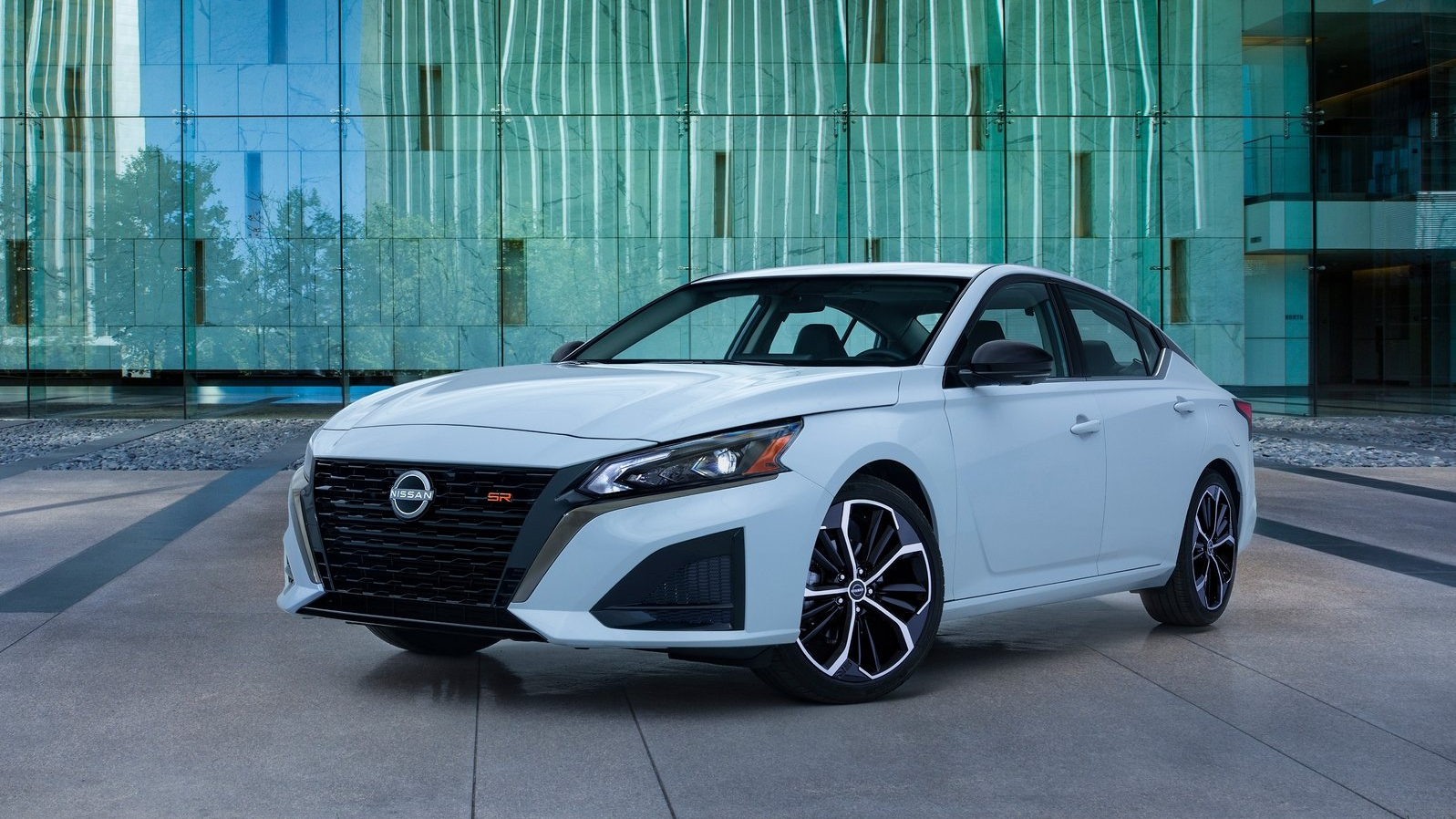
For many, the Nissan Altima is often the butt of the joke. In recent years, they’ve been commonly driven in a certain manner by a certain demographic of buyer. You know what we mean. According to Automotive News, the Altima, along with the subcompact Versa, could soon be headed for the junkyard in the sky.
First introduced in 1992, Nissan’s long-running midsize sedan will be discontinued following the 2025 model year. The affordable compact car, which first went on sale in 2006, will likely meet a similar fate.
Recent rumors have said that Nissan will introduce a new electric sedan in 2026, but no official announcement has been made. While it’s been suggested the new sedan will take the Maxima nameplate, it could very well slot somewhere in between the Altima and larger Maxima.
Further, we recently wrote about the upcoming cancellation of the Kia Rio and Mitsubishi Mirage. With the loss of those two models, the Nissan Versa would become the only new car remaining under $20,000 in the US. If the Versa goes along with them, what will that mean? Time will tell.


Leave a comment